

Nevada became the first state to sue the federal government this week over a newly announced management plan for the Colorado River, marking a notable shift from its traditionally collaborative stance in interstate water negotiations. The plan was developed after more than two years of negotiations among the seven Colorado River basin states and federal officials failed to produce a long-term agreement before the current management framework expires in October.
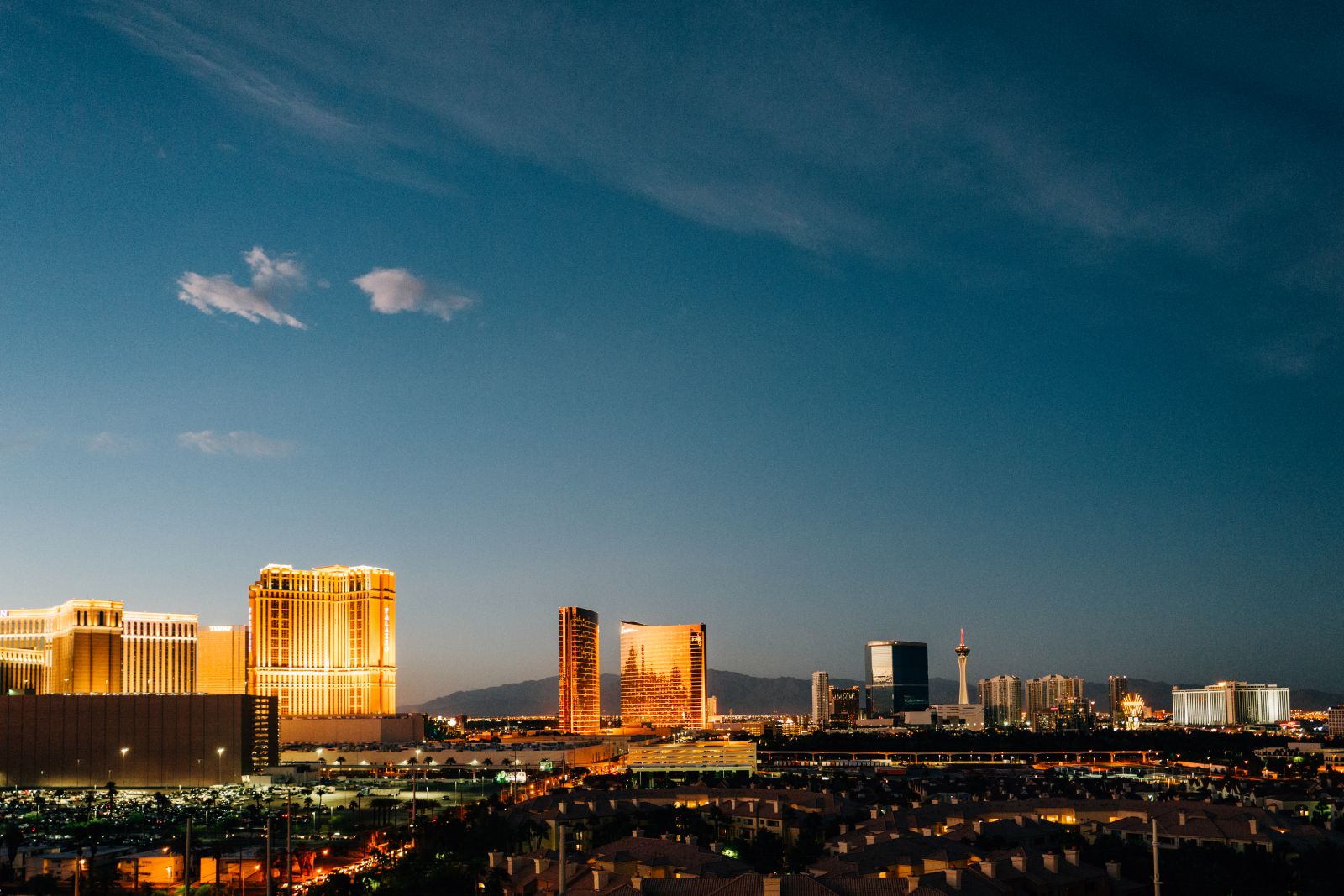
The Interior Department’s plan prioritizes reducing water use among Lower Basin states—Arizona, Nevada, and California—to maintain adequate water levels in the river’s major reservoirs, which have been declining rapidly. Nevada contends that under certain scenarios, the plan could result in a 71 percent reduction to water supplies serving the Las Vegas metropolitan area, which accounts for two-thirds of the state’s population and the majority of its economic activity. The state argues this outcome violates applicable law and that the federal government failed to adequately evaluate alternative approaches.
Nevada’s decision to litigate surprised many Colorado River experts, given the state’s long history of positioning itself as a consensus-builder and advocate for compromise among basin states and tribes. However, observers note the action aligns with Nevada’s prior warnings that it would defend its water interests if negotiations proved unsuccessful. The state’s negotiators have maintained that cooperation remains their preferred approach while emphasizing their willingness to pursue legal remedies if necessary.
The lawsuit challenges the adequacy of the federal decision-making process required under the National Environmental Policy Act, arguing that officials did not sufficiently consider the economic consequences to Las Vegas or explore alternative solutions. Nevada proposes that structural modifications to Glen Canyon Dam and other innovative approaches could reduce the need for drastic water cuts. State officials contend that the federal process was too narrow in scope and failed to identify solutions that would protect a major metropolitan area from potential water shortages.
Article Attribution | Read More at Article Source
Article summary produced by Claude AI