

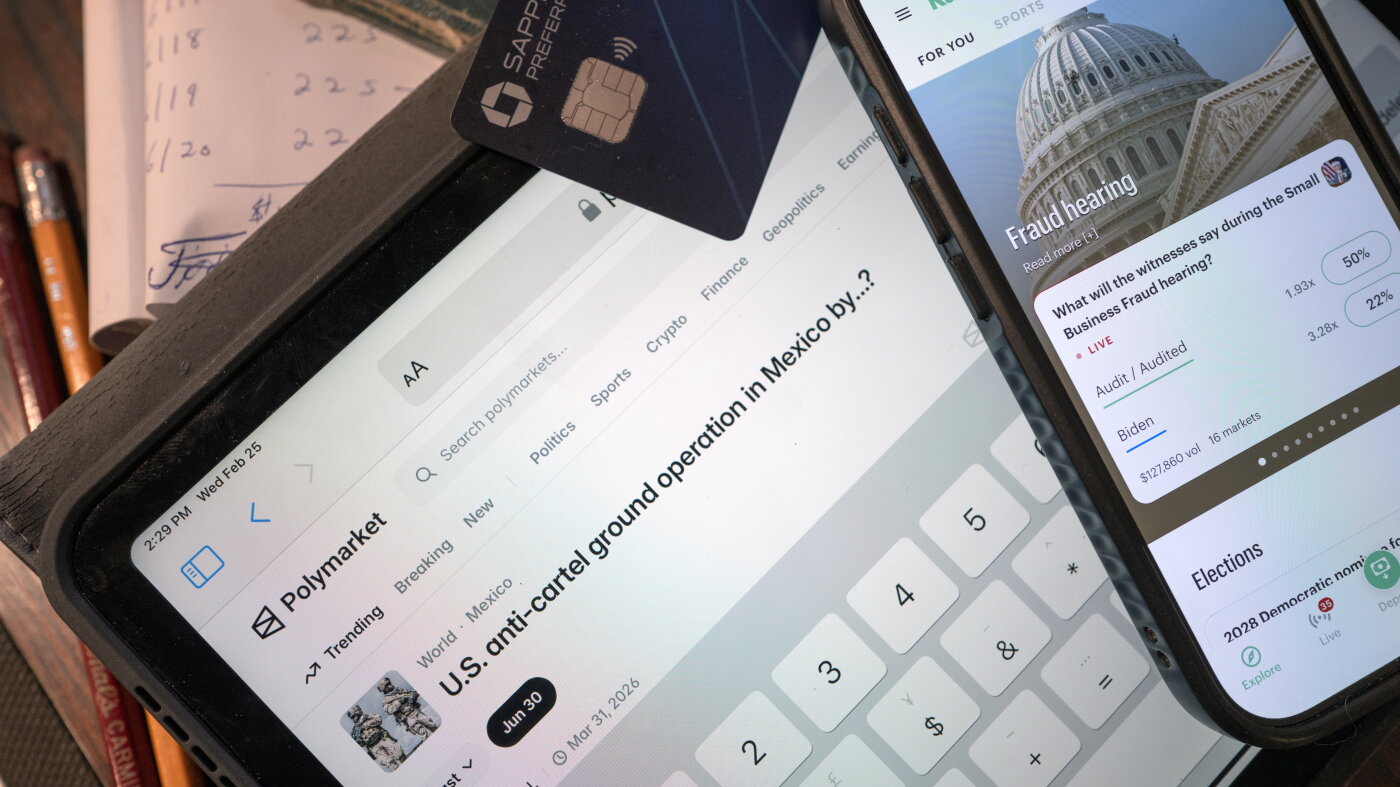
New Jersey has asked the Supreme Court to intervene in a significant regulatory dispute concerning prediction market platforms, specifically addressing the question of whether federal commodities regulators or state gambling authorities should oversee sports betting operations.
The case centers on Kalshi, a prediction market platform that allows users to wager on various outcomes ranging from corporate earnings announcements to election results. Sports betting represents the dominant activity on such platforms, typically accounting for 80 percent or more of weekly trading volume. The core legal question involves interpretation of the Commodity Exchange Act and whether it permits prediction market operators to operate under exclusive federal oversight or whether state gambling regulations remain applicable.
Federal appeals courts have issued conflicting rulings on the matter. In April, the Third Circuit Court of Appeals determined that the Commodity Futures Trading Commission possesses exclusive authority to regulate prediction markets in a decision against New Jersey. However, the Ninth Circuit reached the opposite conclusion in a separate case involving Nevada, holding that states retain regulatory power over the industry. This circuit split has prompted New Jersey officials to seek Supreme Court review.
New Jersey’s legal arguments emphasize that states have historically maintained primary regulatory authority over gambling and health and safety matters. The state’s attorneys contend that the Commodity Exchange Act does not grant the CFTC unilateral authority to preempt all state gambling laws. Kalshi counters that federal financial regulations governing investment exchanges supersede state regulations and that operating under 50 different regulatory regimes is impractical for a nationwide platform.
The case has also drawn opposition from state-regulated sports betting companies such as FanDuel and DraftKings, which face significant state tax obligations and view prediction market platforms as unfairly competing rivals. If the Supreme Court accepts the petition, oral arguments could occur this fall, with a decision potentially arriving next summer.
Article Attribution | Read More at Article Source
Article summary produced by Claude AI