

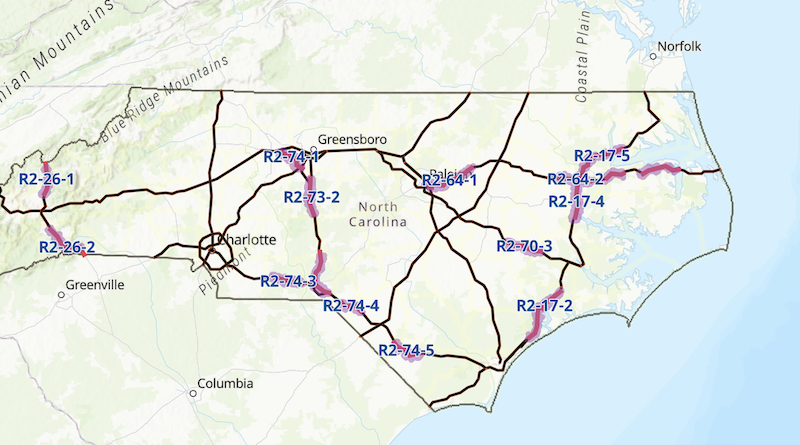
The National Electric Vehicle Infrastructure program, a $5 billion initiative funded through the 2021 Bipartisan Infrastructure Law, has experienced significant turbulence following changes in federal leadership. NEVI provides states with federal funding to construct public fast-charging stations on interstate highways and major transportation corridors, designed to support long-distance electric vehicle travel. By July of 2024, the program had installed 61 charging ports with an additional 2,500 in development across all 50 states that had submitted deployment plans.
When the Trump administration took office in January of 2025, the Department of Transportation suspended the NEVI program, halting state efforts to continue development. This action prompted legal challenges, with multiple states filing a lawsuit in August of 2025 against Transportation Secretary Sean P. Duffy and Federal Highway Administration leadership, arguing that the suspension violated the Bipartisan Infrastructure Law and the President’s constitutional duty to execute laws faithfully.
Days after the lawsuit was filed, the Department of Transportation announced revised NEVI guidance that allowed states to resume charging station development. Transportation Secretary Duffy characterized the update as streamlining applications and reducing regulatory burden. However, subsequent budget actions transferred nearly $1 billion in undisbursed NEVI funds to other highway programs, and staffing reductions at the Transportation and Energy Departments impeded program administration.
Despite these constraints, charging station deployment has continued in various states. North Carolina recently announced a new round of NEVI awards covering seven additional locations with $14.4 million in funding, building on five stations completed before the suspension. The state anticipates a three-year build-out program utilizing its $109 million NEVI allocation, with future expansion planned for rural areas and communities outside major transportation corridors.
Article Attribution | Read More at Article Source
Article summary produced by Claude AI