

Researchers from the Food Systems Countdown Initiative have released a comprehensive report analyzing global progress toward internationally established food system targets. The study, published in Nature Food earlier this month, evaluates advancement across roughly 50 different metrics including dietary costs, agricultural productivity, and emissions, while introducing an interactive dashboard tracking performance at both national and regional levels.
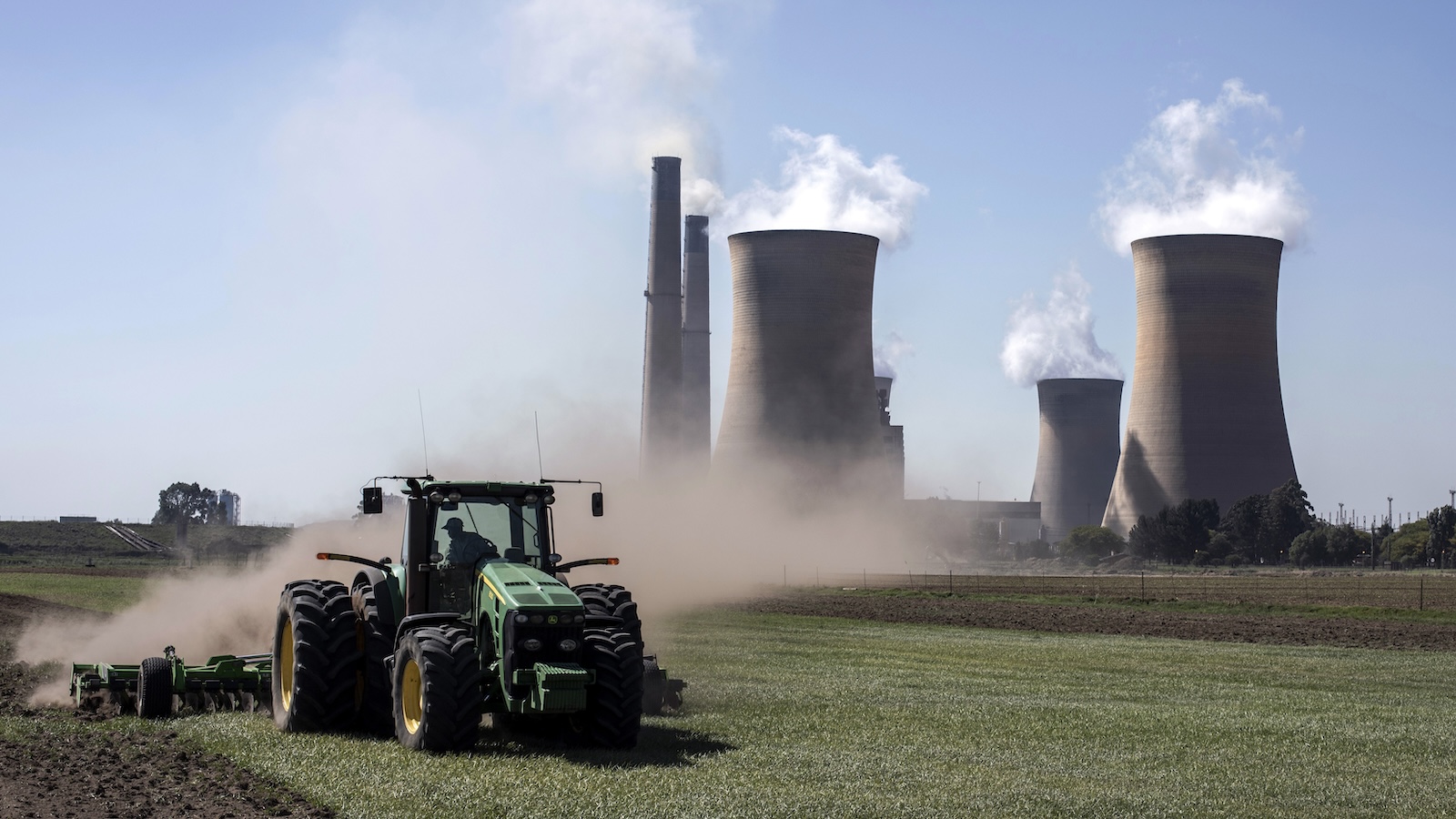
The findings reveal significant gaps between current trajectories and the 2030 Sustainable Development Goals established by United Nations member countries a decade ago. Greenhouse gas emissions from agriculture are moving in an unfavorable direction globally, posing particular challenges since agricultural emissions constitute approximately one-third of human-caused greenhouse gas output according to the U.N. Food and Agricultural Organization. Lead researcher Bianca Carducci noted that achieving net-zero emissions from food systems by 2030 would require every region worldwide to accelerate progress by approximately 70 percent annually over the next four years—a pace she characterized as unrealistic, given that most countries typically advance by about 5 percent yearly on key indicators.
The analysis does reveal complexity in measuring progress uniformly across regions and countries. While certain nations may be successfully reducing agricultural emissions, others remain stagnant on various measures. Professor Michael Puma from Columbia University’s Climate School, who was not involved in the research, emphasized that viewing progress as a simple success-or-failure proposition by a specific deadline oversimplifies the challenge. The report identifies interconnected factors influencing emissions, including agricultural yields, land use changes, water consumption, and civil society engagement, each representing potential intervention points.
When researchers extended the target deadline to 2050 rather than 2030, regions demonstrated significantly better alignment with nutrition and environmental objectives. However, Carducci cautioned against using this finding as justification for reduced urgency, warning that policymakers must maintain momentum rather than abandon efforts. Puma similarly advocated for reframing the discussion around designing achievable pathways with built-in accountability measures rather than fixating on arbitrary deadlines that might encourage unsustainable short-term solutions.
Article Attribution | Read More at Article Source
Article summary produced by Claude AI