

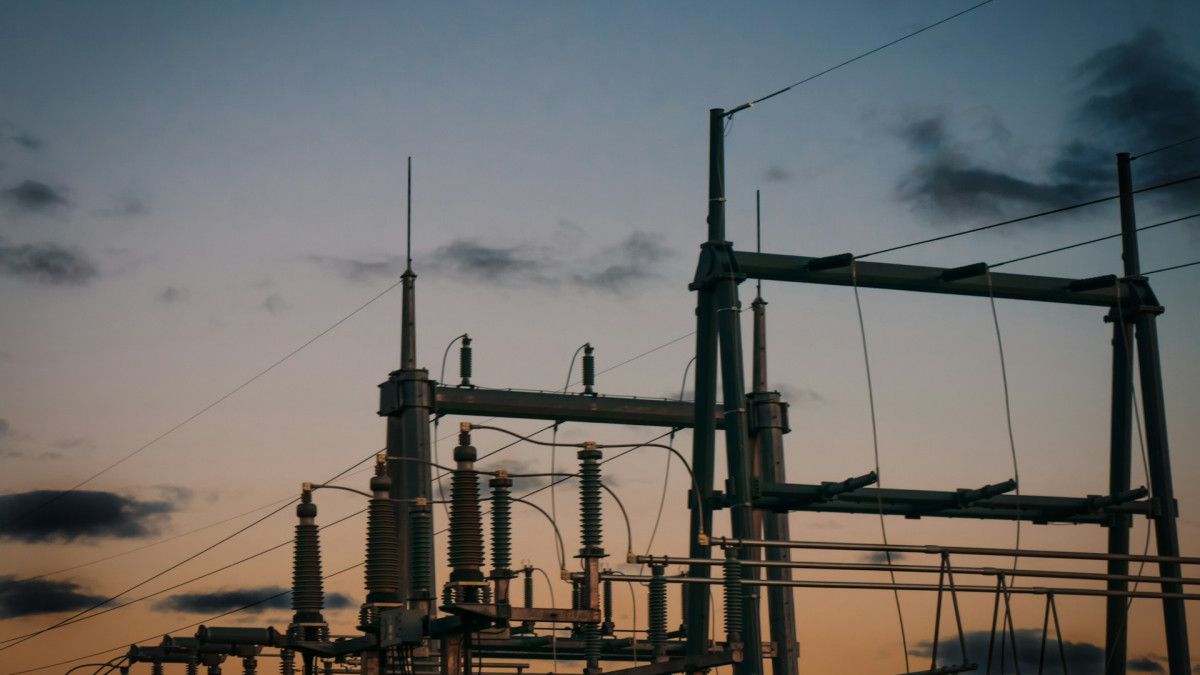
The United States is experiencing record-level natural gas production and consumption, with the Energy Information Administration projecting dry gas production to reach 111.7 billion cubic feet per day in 2026 and 115.9 bcfd in 2027. Liquefied natural gas exports are similarly expected to climb to 17.4 bcfd and 18.6 bcfd in those respective years. This expansion reflects broader trends in energy development across the country, particularly driven by the construction of artificial intelligence data centers.
According to the Global Energy Monitor, the United States is constructing approximately twice as much gas-fired capacity as China and more than any other nation globally. Gas power capacity at various stages of development has surged 50 percent since January, reaching 378 gigawatts. Roughly half of this new capacity is directly tied to data center development, with tech companies increasingly opting to power facilities with natural gas rather than renewable sources. If all planned projects are completed, the United States would expand its gas fleet by approximately two-thirds at a cost exceeding $647 billion.
However, regulatory scrutiny is emerging around these projects. In September, the North Carolina Utilities Commission rejected a $500 million, 250-megawatt natural gas facility proposed by Duke Energy. The utility had sought to construct the plant to supply power to an Amazon facility under development near Charlotte. Commissioners determined that Duke had not adequately demonstrated how consumers would be protected from construction costs under the Trump administration’s Ratepayer Protection Pledge, a voluntary agreement designed to shield consumers from price increases related to data center infrastructure. The rejection reflected growing concerns about rising consumer utility bills, which have increased at rates exceeding inflation during recent months.
The commission indicated that Duke could resubmit its application if it provided cost recovery mechanisms compliant with the pledge. The decision suggests that despite national momentum toward gas infrastructure expansion, some state regulators are implementing constraints on projects lacking clear consumer protection provisions.
Article Attribution | Read More at Article Source
Article summary produced by Claude AI