

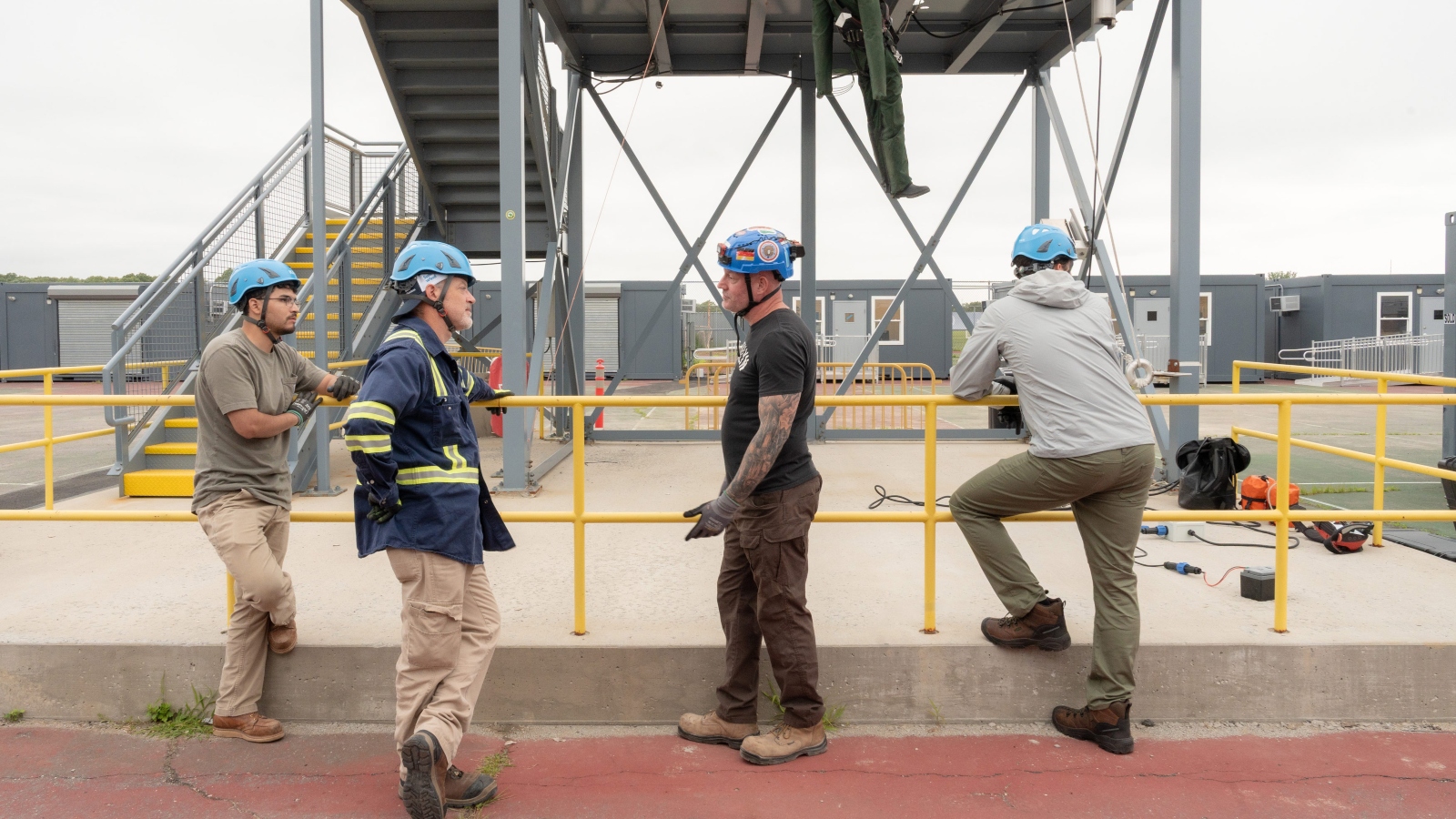
The National Offshore Wind Training Center and similar educational initiatives built to support a rapidly growing offshore wind industry are now confronting significant headwinds from federal policy changes. These programs emerged following a 2021 Biden administration target to generate 30 gigawatts of offshore wind power by the end of the decade, a goal that would have required approximately 77,000 workers across construction, maintenance, manufacturing, and grid connection roles. States, energy developers, universities, unions, and workforce organizations collaborated to establish safety certifications, apprenticeships, and graduate programs to prepare skilled laborers for these positions.
Since the Trump administration took office for its second term, the offshore wind industry has experienced significant disruption. The administration implemented a wind order pausing new leases and permit approvals, issued emergency stop-work orders on five offshore wind projects under construction, rolled back renewable energy tax credits, rescinded hundreds of millions in federal grants, and began compensating wind developers to abandon offshore leases. While federal courts overturned some of these actions, the combined effect has substantially altered the industry’s near-term trajectory. Currently, approximately 6 gigawatts of offshore wind capacity is online or under construction—less than one-third of what the Biden administration had approved.
Training programs are adapting by downsizing operations, emphasizing skills transferable to other industries, and focusing on supporting the handful of projects still under construction. Program leaders maintain that offshore wind will eventually recover, though uncertainty about timing persists. One training center director estimated continued activity into 2027, but acknowledged uncertainty about the depth of work available beyond that point. The challenge reflects broader volatility in energy policy, with industry analysts noting that policy shifts between administrations have become increasingly dramatic, creating substantial risk for long-term workforce development investments.
Article Attribution | Read More at Article Source
Article summary produced by Claude AI