

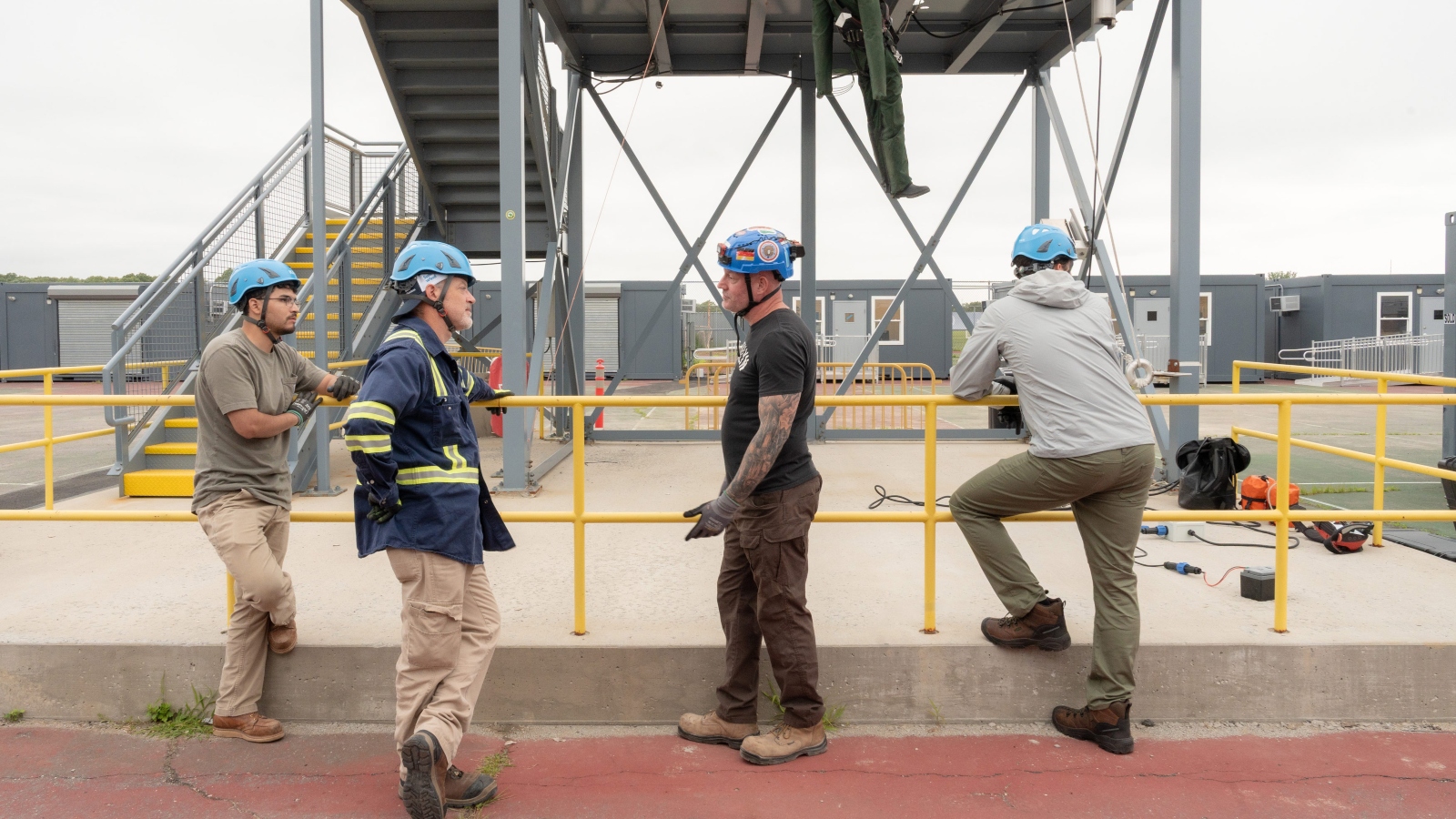
Offshore wind training programs established to meet anticipated industry growth are confronting significant headwinds following policy shifts by the Trump administration. Workers like William Bishop, who obtained certifications through institutions such as the National Offshore Wind Training Center at Suffolk County Community College, secured positions on wind farm projects but now face contract cancellations and project suspensions. The uncertainty threatens the viability of training initiatives that were developed in response to the Biden administration’s 2021 target of generating 30 gigawatts of offshore wind capacity by the decade’s end.
The Biden-era offshore wind strategy envisioned rapid expansion requiring approximately 77,000 workers across construction, maintenance, manufacturing, and grid connection roles. In response, multiple states, energy developers, universities, unions, and workforce organizations created educational pathways including safety certifications, apprenticeships, and graduate programs. The domestic offshore industry was nascent but appeared poised for growth, with the first commercial-scale facility beginning operations in December 2023 and multiple larger projects in construction or permitting stages.
The policy environment shifted dramatically on January 20, 2025, when the Trump administration signed executive orders pausing new leases and permit approvals for offshore wind projects on national security grounds. Though federal courts overturned stop-work orders on five existing construction projects, the administration subsequently rolled back renewable energy tax credits, rescinded hundreds of millions in grants, and began paying developers to abandon offshore leases. These cumulative actions have stalled the industry’s momentum, with approximately 6 gigawatts of capacity online or under construction—less than a third of Biden-approved levels.
Training program directors acknowledge the uncertain outlook while maintaining that offshore wind remains essential for national energy needs. Current initiatives are adapting by downsizing operations and emphasizing transferable skills applicable beyond offshore wind sectors. Program leaders estimate existing work may sustain training activities into 2027, but acknowledge uncertainty about long-term demand once current construction projects conclude. Industry analysts note that the dramatic policy shifts create structural challenges that could discourage future investment regardless of subsequent political changes.
Article Attribution | Read More at Article Source
Article summary produced by Claude AI