

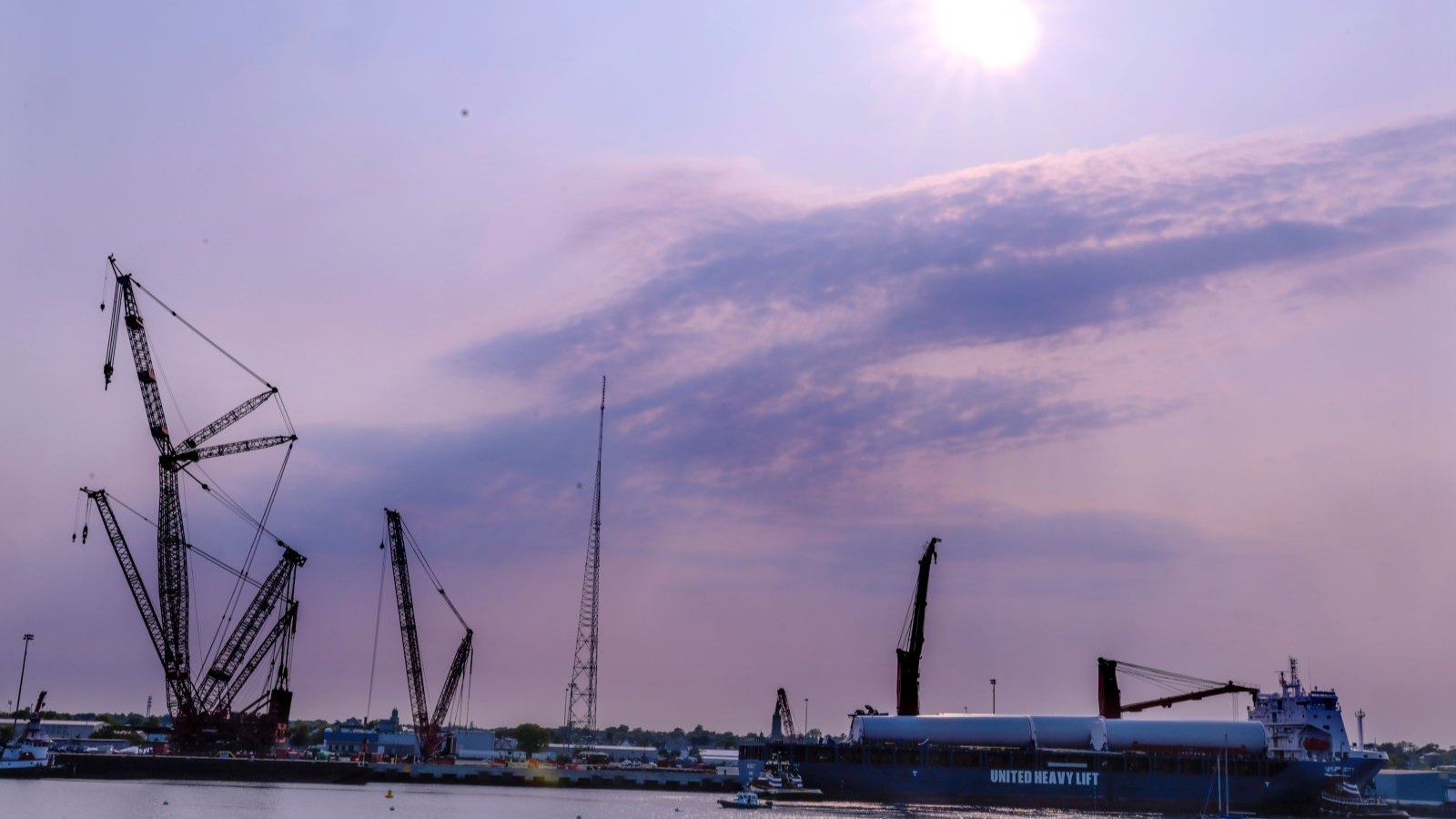
The East Coast faces mounting pressure to develop renewable energy capacity as aging transmission infrastructure struggles to meet rising electricity demand and regional emissions reduction targets. Offshore wind had emerged as a promising solution to these challenges, given the region’s limited options for large-scale renewable development on land. However, the industry is experiencing severe setbacks that experts describe as potentially catastrophic for the region’s climate plans.
The Trump administration, which took office in 2025, has implemented aggressive measures against offshore wind development. These include subjective Pentagon reviews of projects, permit revocations, and work stoppages. Most significantly, the federal government has offered financial incentives for developers to relinquish their rights to develop in federally managed waters. By mid-August, approximately $4 billion in such payouts had been committed, effectively removing an estimated 21 gigawatts of potential generating capacity from U.S. coastal areas—enough to power more than 15 million homes. Industry analysts expect additional buyout agreements may follow.
Nine companies still retain offshore wind development rights, including major European energy firms such as Shell, Orsted, and Avangrid. Industry professionals report experiencing significant emotional distress as projects remain on hold indefinitely. The timing is particularly problematic for regional electricity grids. The three major power systems serving the Northeast and mid-Atlantic are anticipating substantial demand growth from data centers, vehicle electrification, and new manufacturing facilities, while supply constraints persist across aging transmission networks.
States had incorporated offshore wind into their climate strategies based on its geographic advantages. New York, Massachusetts, Maryland, and New Jersey all designated offshore wind as essential to meeting their emissions reduction objectives. Without it, experts contend that achieving these goals becomes nearly impossible given the region’s limited land area suitable for large-scale solar or wind installations—a stark contrast to Western states with vast open landscapes. New York has already adjusted some emissions timelines and accounting regulations, though offshore wind remains central to its strategy. Some industry observers note that rising electricity prices and the administration’s limited remaining tenure offer potential paths toward recovery.
Article Attribution | Read More at Article Source
Article summary produced by Claude AI