

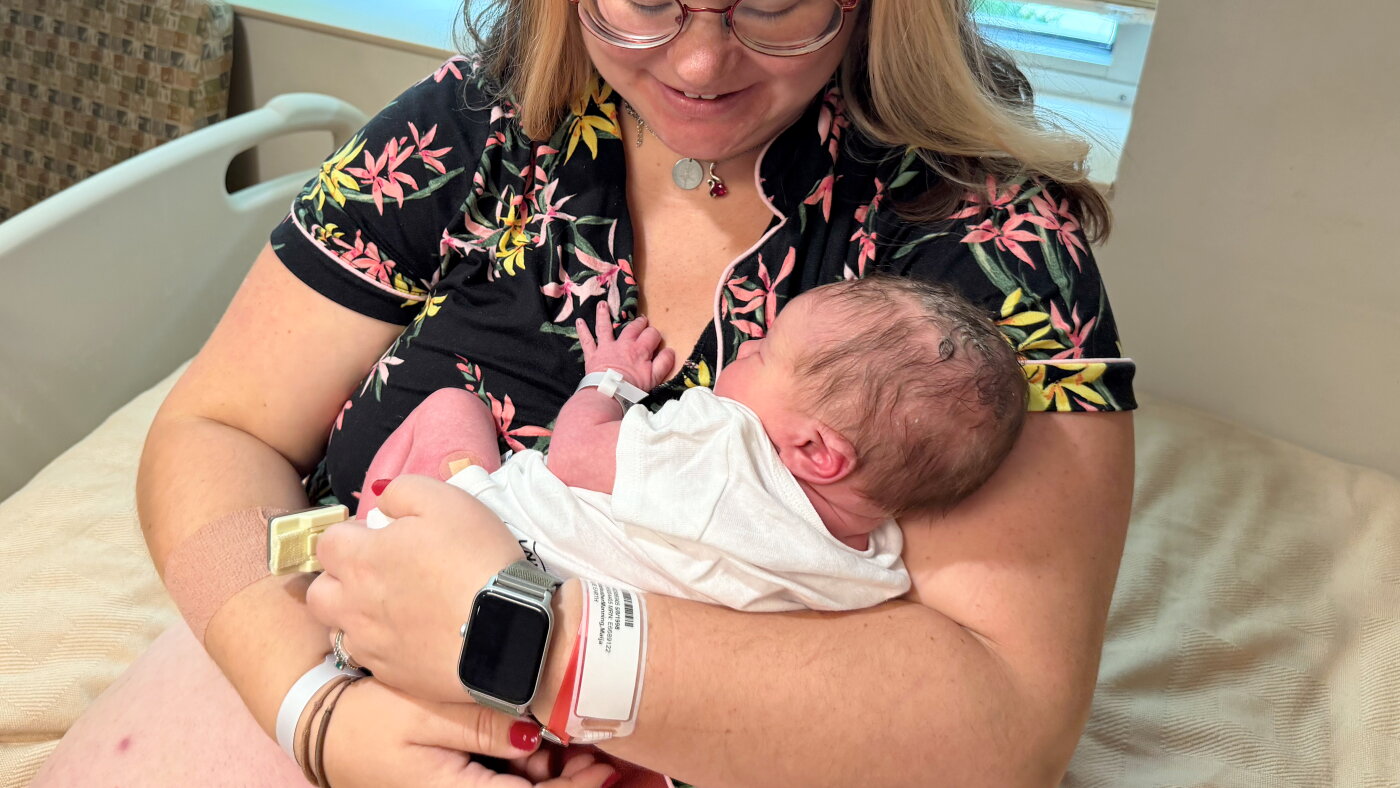
Labor and delivery units continue closing across rural America, creating significant barriers to maternal healthcare access. According to data from the University of Minnesota Rural Health Research Center, the percentage of U.S. counties with hospital obstetrics services declined from 56% in 2010 to 47% by 2024, with nearly 300 counties losing these services. Rural hospitals face particular financial challenges, as they typically serve more low-income Medicaid patients who generate lower reimbursement rates, see fewer total births, and lack resources for simulation training and telemedicine support. The closures carry serious health consequences, with increased distances to delivery facilities correlating with poorer outcomes for both mothers and infants, including higher rates of pre-term birth and infant mortality.
Countering this nationwide pattern, United Hospital District in Blue Earth, Minnesota has achieved notable success in maintaining and expanding maternity services. The critical access hospital and its affiliated clinics have experienced consistent growth in deliveries, rising from approximately 50 births annually during much of the prior period to 178 deliveries in 2025, with projections suggesting similar numbers continuing this year. According to hospital leadership, this success stems from several strategic initiatives, including membership in Headwaters, a clinically integrated network of rural Minnesota hospitals that improves negotiating power for supply purchasing and reduces operational costs. The hospital has also diversified revenue streams through outpatient surgery services that offset obstetrics losses.
Staff cross-training emerges as a critical factor in the hospital’s financial sustainability. Rather than employing staff dedicated solely to labor and delivery, the hospital trains personnel to fulfill multiple roles across departments. This flexibility allows the facility to maintain 24/7 obstetrics coverage while managing labor costs effectively. Beyond operational strategies, the hospital has cultivated strong community relationships through personalized care approaches, including handmade baby items donated by local church volunteers, welcome gift baskets, and special meals provided to new parents.
Experts view United Hospital District’s model as a template for other rural hospitals seeking to maintain obstetrics services. Healthcare researchers indicate that the combination of network participation, revenue diversification, workforce flexibility, and community engagement represents best practices for rural maternity care sustainability. As rural hospital closures continue nationally, such integrated approaches offer potential pathways for preserving access to maternal healthcare in underserved communities.
Article Attribution | Read More at Article Source
Article summary produced by Claude AI