

The Philippine government has announced a significant expansion of its electric vehicle funding for the coming year, with the Department of Budget and Management proposing P228.92 million for the Electric Vehicle Industry Development Program in 2027, a substantial increase from P32.46 million in 2026. This budgetary shift reflects the growing role of electrified vehicles in the Philippine automotive market, where sales data through August showed that electrified vehicles represented nearly a quarter of total vehicle sales during the period.
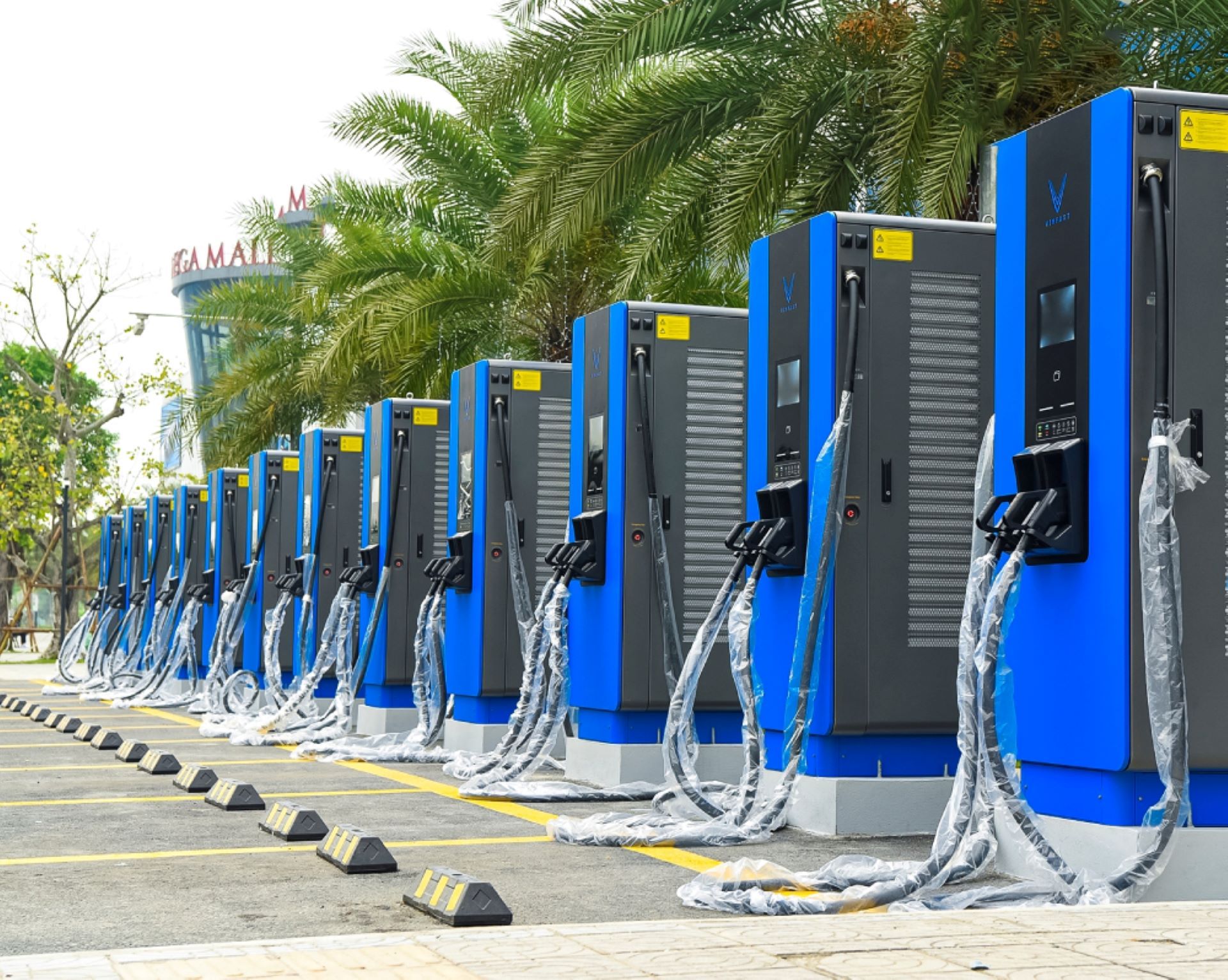
The government is directing the increased funding toward two primary infrastructure initiatives. The first is the EVision Project, designed to identify suitable locations and establish charging facilities within government offices nationwide. The second component involves strengthening the Department of Energy’s capacity to test and validate charging equipment, ensuring that systems meet technical and safety standards. This testing capability has become increasingly important as the market has grown more fragmented, with 422 accredited charging station providers operating 1,876 registered stations across the country by August.
The charging infrastructure expansion occurs within the context of broader government policy aimed at reducing the country’s dependence on imported petroleum for transportation. Current progress shows the nation has reached approximately one-quarter of its lower-bound target for charging stations outlined in the Comprehensive Roadmap for the Electric Vehicle Industry, which calls for between 7,300 and 66,500 stations by 2028. Beyond simply installing additional charging points, the infrastructure must integrate with the electricity distribution system and maintain operational reliability as demand increases.
The government’s approach to EV development encompasses multiple policy instruments working in parallel. The Electric Vehicle Incentive Strategy, established by presidential order earlier this year, provides fiscal support to attract manufacturers and develop domestic supply chains. The infrastructure funding, by contrast, focuses on government capacity building and charging facility development. Both initiatives address different aspects of market development in a country that has traditionally relied heavily on imported petroleum for transportation needs.
As the EV market expands, the Department of Energy has also begun addressing workforce development and safety training, including programs covering high-voltage systems, battery handling and emergency response procedures. These capabilities, though less visible than vehicle sales figures, remain essential for enabling the market to scale safely and effectively.
Article Attribution | Read More at Article Source
Article summary produced by Claude AI