

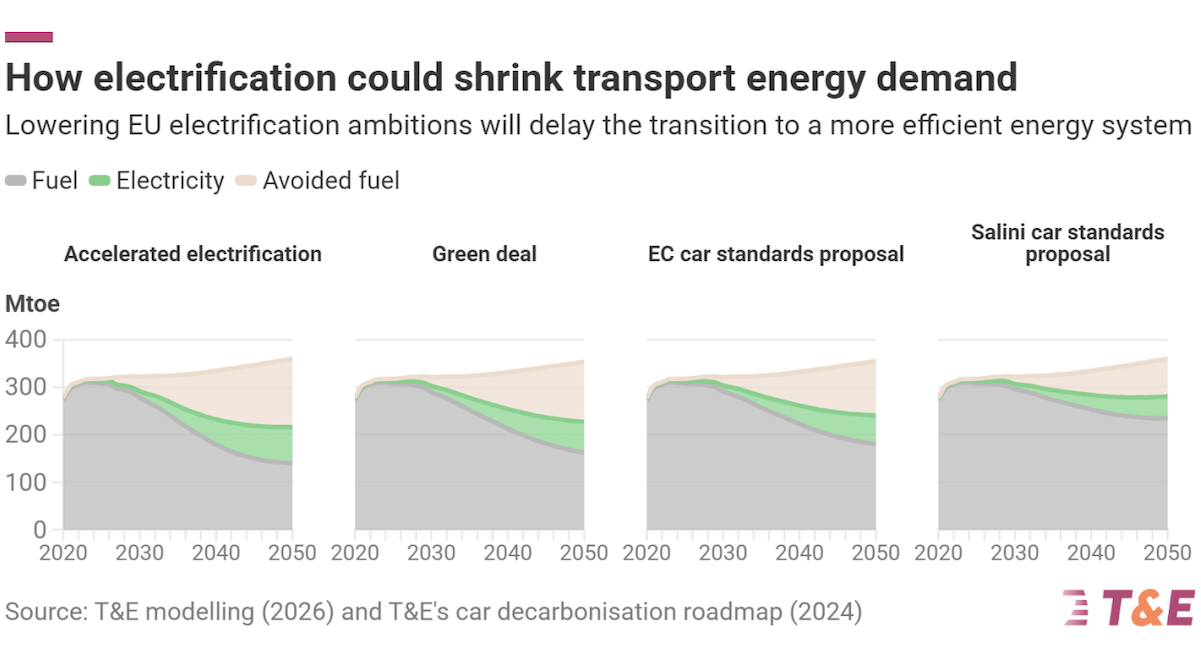
Europe’s approach to renewable energy in transport must extend beyond increasing renewable fuel shares to address the continent’s reliance on imported energy sources. The recurring energy crisis has prompted a reassessment of how the post-2030 Renewable Energy Framework can simultaneously reduce transport emissions and strengthen energy independence.
Direct electrification has emerged as the primary strategy for reducing overall energy consumption in the transport sector. By transitioning to electric vehicles, Europe can decrease demand for imported fossil fuels and bio-feedstocks while simultaneously improving grid efficiency through increased use of domestically produced renewable electricity. This shift represents a fundamental reframing of electrification policy, emphasizing energy security and economic competitiveness alongside environmental benefits.
Achieving higher renewable energy targets in transport requires deliberate policy measures aimed at accelerating electric vehicle adoption. Options include strengthening corporate fleet standards, implementing vehicle scrappage schemes, and maintaining stringent car emissions regulations. Without such measures, renewable targets could theoretically be met through greater consumption of scarce, internationally sourced fuels, which would leave Europe vulnerable to global market volatility and supply disruptions.
The distinction between headline renewable energy targets and the mechanisms used to achieve them proves critical. A high renewable energy transport target achieved through expanded use of imported advanced biofuels or e-fuels would fail to enhance European energy sovereignty. Instead, policymakers must ensure that renewable targets are accompanied by comprehensive electrification policies that prioritize renewable electricity generation within the EU.
The upcoming Energy Union Framework must prioritize transport electrification as a central component of European energy security strategy. This approach would simultaneously advance climate objectives while reducing exposure to international fuel market fluctuations and establishing a more resilient, domestically powered transport system.
Article Attribution | Read More at Article Source
Article summary produced by Claude AI