

Europe’s approach to transport electrification has gained prominence amid recurring energy supply challenges affecting the continent. The emerging post-2030 Renewable Energy Framework is being examined for its potential to address not only emissions reduction but also energy security and reduced dependency on imported fuels.
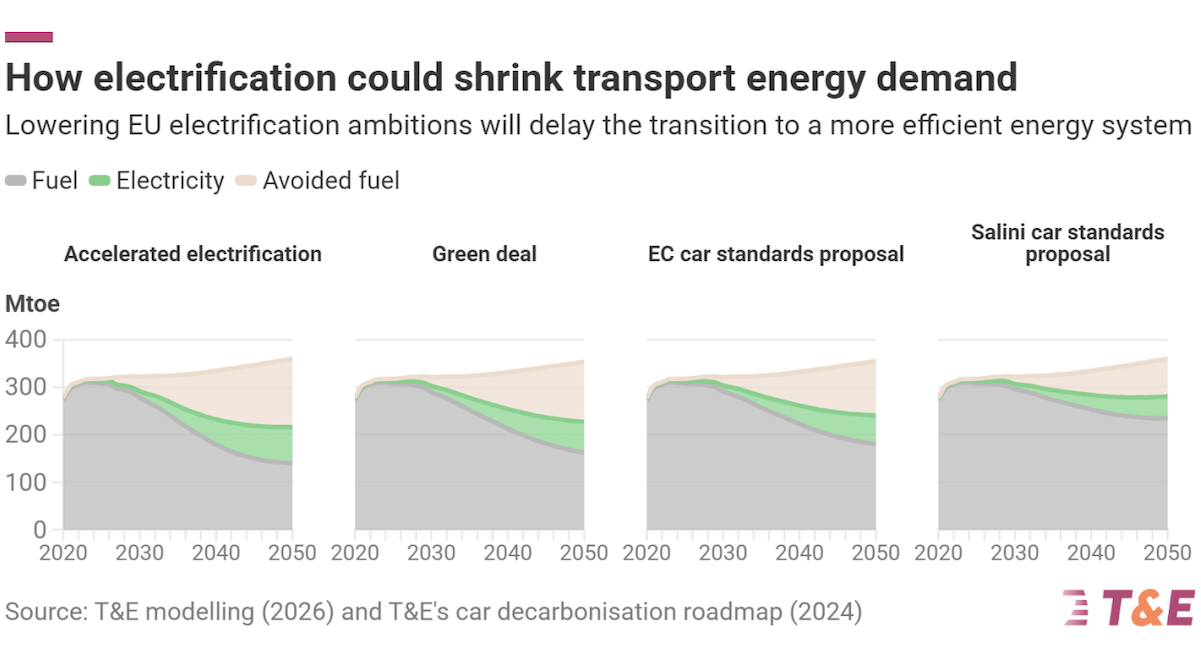
Direct electrification of transport is increasingly recognized as a mechanism for reducing overall energy demand within the sector. The shift reflects policy discussions centered on AccelerateEU and the Electrification Action Plan initiatives. By transitioning vehicles to electric power, particularly cars, vans, and trucks, the continent can decrease reliance on imported petroleum products. This approach is framed as an economic and energy security strategy with environmental benefits as a secondary outcome.
Policymakers are being advised that renewable energy targets alone may be insufficient to achieve energy sovereignty without complementary measures. Meeting a renewable energy target through expanded use of imported biofuels or synthetic fuels could leave Europe vulnerable to global market volatility. Instead, analysts suggest that ambitious electrification policies, combined with high renewable energy targets backed by domestically produced renewable electricity, would provide more comprehensive energy independence.
Specific policy recommendations include strengthening corporate fleet standards and implementing scrappage schemes to accelerate electric vehicle adoption. Alternatively, weakening existing automobile carbon dioxide standards could slow electrification progress and increase fuel consumption. The framework for 2040 is positioned as an opportunity to align renewable energy targets with concrete electrification measures to secure Europe’s transport energy needs.
Article Attribution | Read More at Article Source
Article summary produced by Claude AI