

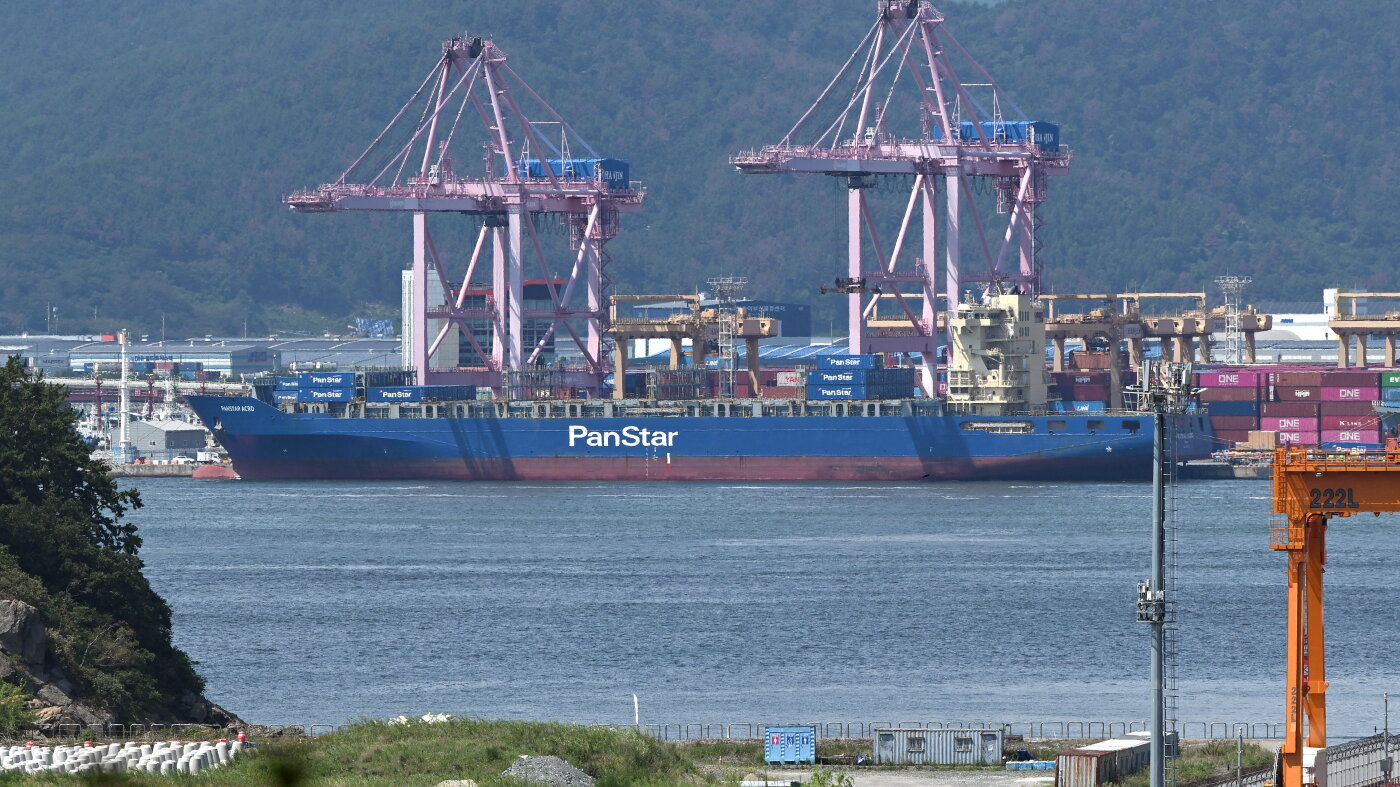
South Korea has successfully completed its first commercial container ship voyage to Europe through the Arctic Ocean, with the PanStar Acro arriving in Felixstowe, England over the weekend. The 45-day round trip journey from Busan proceeded via the Northern Sea Route along Russia’s Arctic coastline, stopping in Rotterdam and Gdansk. The voyage coincided with renewed focus on alternative shipping routes as geopolitical tensions in the Middle East have disrupted traditional maritime pathways.
Asia’s maritime-dependent economies, particularly China and South Korea, have initiated pilot voyages over the past decade to explore Arctic routes that could bypass congested global chokepoints including the Strait of Hormuz and Red Sea. India announced plans for its first cargo ship voyage via the Northern Sea Route next year, while Japan’s Agency for Marine-Earth Science and Technology is constructing an Arctic research icebreaker for exploration missions starting as early as next year. These efforts reflect a broader strategic interest in diversifying shipping options amid ongoing geopolitical instability.
Climate change has facilitated increased Arctic navigation by substantially reducing seasonal ice coverage. According to research scientists, Arctic sea ice surface area in September is approximately 10 to 15 percent lower per decade than historical averages. However, the Arctic remains a challenging environment for commercial shipping, with navigation only feasible during a narrow window from late summer through early fall when ice coverage is minimal. Insurance costs remain high, and most shipping companies currently continue using the longer but more predictable southern African route in response to Middle East risks.
The emergence of regular Arctic container services represents a significant commercial development, though experts note profitability remains uncertain. Russia’s assertion of sovereignty over the Northern Sea Route and its requirement for permits and state-owned icebreaker assistance has created additional complexity. Western sanctions on Russian nuclear icebreakers due to the Ukraine conflict have constrained some Arctic ambitions, though South Korea indicates it is balancing security alliance obligations with its Arctic development goals through consultation with U.S. and EU partners.
Article Attribution | Read More at Article Source
Article summary produced by Claude AI