

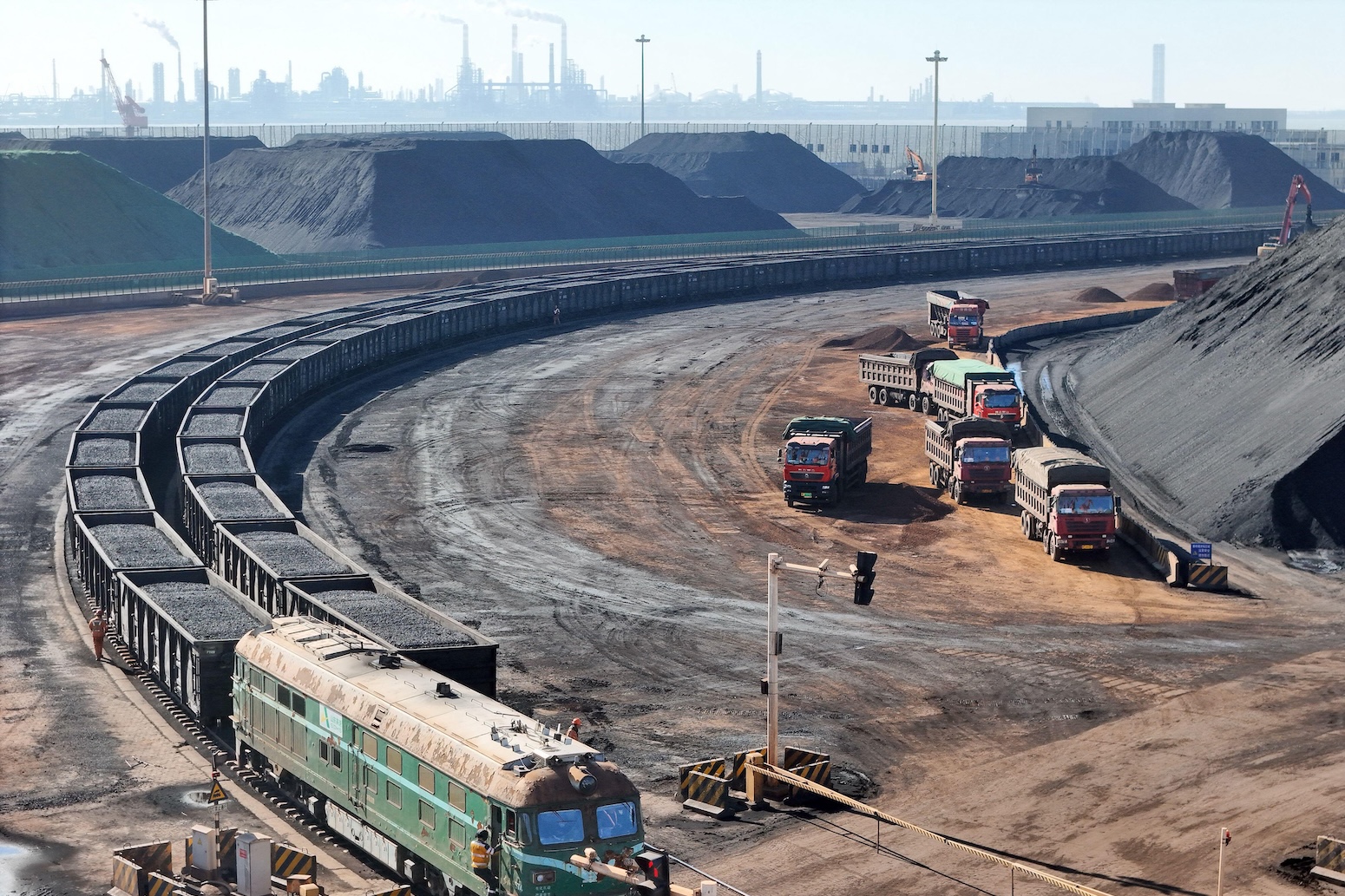
China’s National Development and Reform Commission and National Energy Administration released the 15th five-year plan for coal development on 10 August, establishing policy direction for the sector through 2030. This timing is significant as the five-year period leads up to China’s commitment to peak carbon dioxide emissions before 2030. The plan represents a continuation of China’s approach to balance energy security with climate objectives, though analysts note it does not constitute a phase-out or phase-down strategy for the coal industry.
The document reaffirms coal as a foundational energy source for China, describing it as vital to the national economy, people’s livelihoods, and energy security. However, coal’s role in the energy mix has been declining, with non-fossil sources accounting for more than half of the power mix in 2025 and coal representing less than 50% of power generation in the first half of 2026. The five-year plan period is characterized as one of “significant transformation” for the coal sector, though the plan focuses primarily on production systems and infrastructure rather than on phasing down consumption.
A notable feature of the plan is its lack of a government-endorsed target year for peak coal consumption, despite previous suggestions from state-affiliated organizations that consumption might peak around 2027. The plan includes a broader goal to peak coal use sometime during the 2026-2030 period, guided by China’s climate targets while prioritizing energy supply security. This flexibility reflects concerns among policymakers regarding energy security, particularly given volatility in global energy markets stemming from geopolitical conflicts.
Analysts suggest the plan signals that coal will maintain its role as a “cheap and secure” source of energy for China in the near term. The document does acknowledge the need for the coal industry to diversify into clean energy and chemicals as consumption eventually peaks. The absence of a specific deadline provides considerable flexibility for the timing of the transition, with actual peak coal consumption likely to depend on factors such as electricity demand growth, renewable energy generation capacity, industrial activity, and development of new technologies rather than on regulatory mandates alone.
Article Attribution | Read More at Article Source
Article summary produced by Claude AI