

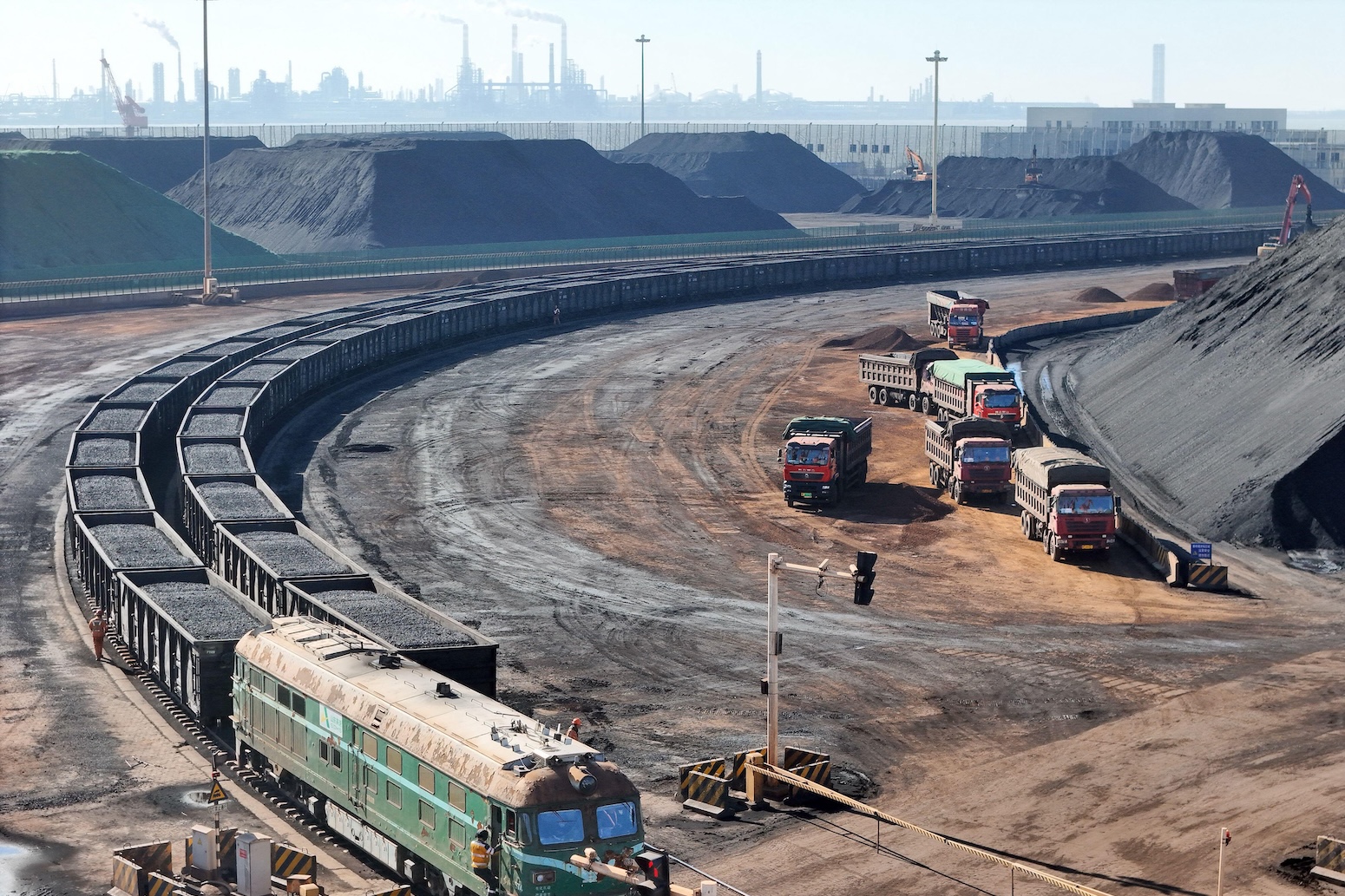
China’s National Development and Reform Commission and National Energy Administration released the 15th five-year plan for coal development on 10 August, establishing policy guidance for the sector through 2030. This planning period is significant as it precedes China’s commitment to peak carbon dioxide emissions before 2030. While earlier discussions among government-affiliated organizations had suggested coal consumption might peak around 2027, the new plan refrains from endorsing a specific year, instead setting a broader objective to achieve peak consumption sometime during the 2026-2030 interval.
The plan characterizes coal as a foundational energy source essential to China’s economy, national security, and energy stability. It addresses the sector’s “green and low-carbon transition,” methane emissions management, and efficient coal utilization. However, analysts note the document prioritizes coal’s continued role in China’s energy system rather than plotting a decline or phase-out. This approach reflects broader geopolitical considerations, particularly concerns about energy security stemming from regional conflicts that have created volatility in global energy markets. Officials have emphasized coal’s importance as China’s most reliable domestic energy resource.
The coal plan exists within a broader framework of China’s 15th five-year planning period, alongside separate policy documents addressing climate change, renewable energy development, and new-type energy systems. Despite coal’s traditional dominance, its share of China’s energy mix has declined, comprising less than 50 percent of power generation in the first half of 2026 and 51.4 percent of total energy consumption. Non-fossil energy sources accounted for more than half of the power mix in 2025, signaling a gradual transition.
Experts emphasize the document’s flexibility regarding transition timelines. While a 2027 coal peak remains possible, actual peaking will depend on factors including electricity demand, renewable capacity expansion, industrial activity, and chemical sector coal requirements. The plan signals that market forces and technological progress, rather than specific government mandates, will largely determine when coal consumption actually peaks, provided the transition occurs before the 2030 deadline for emissions peaking.
Article Attribution | Read More at Article Source
Article summary produced by Claude AI