

China’s Ministry of Ecology and Environment, working with 18 other government departments, released the 15th five-year plan dedicated to climate change in late July. The plan sets targets and policies for the 2026-2030 period and represents a departure from past practice, as China rarely issues high-level multi-year policies specifically focused on climate response. According to officials, this marks the first time a five-year plan creates a comprehensive target system covering all areas of climate policy.
The document does not introduce major new targets but rather consolidates and reinforces existing commitments, including China’s pledges to peak carbon emissions before 2030 and achieve carbon neutrality before 2060. In 2030, China aims to reduce carbon intensity by more than 65% compared to 2005 levels. President Xi Jinping previously announced a 2035 pledge to reduce greenhouse gas emissions to 7-10% below peak levels. Researchers note the plan represents a new strategic phase in China’s climate governance, strengthening implementation mechanisms and underlying capacity.
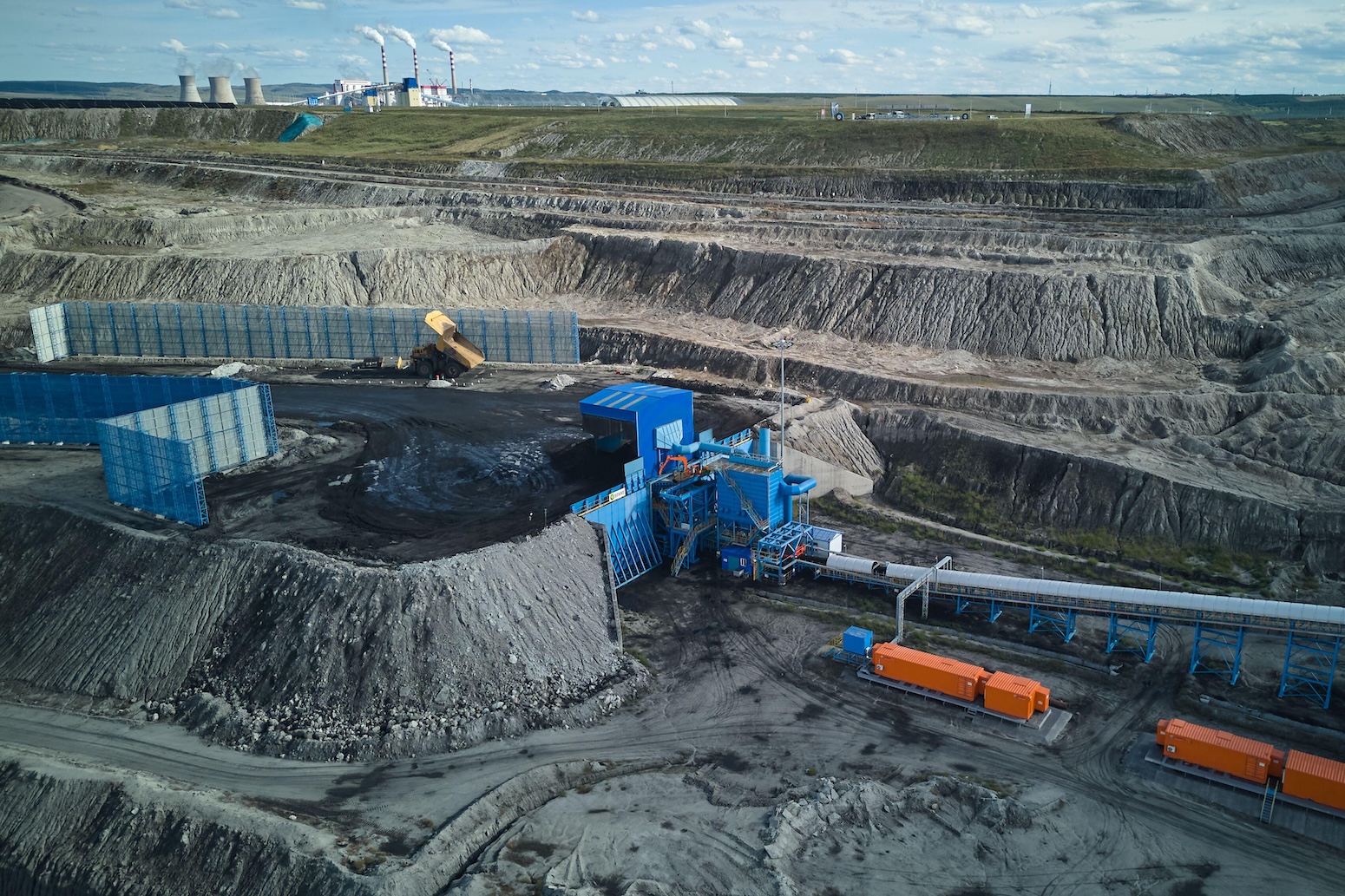
The plan devotes significant attention to non-CO2 greenhouse gases, reaffirming a target to reduce emissions from these gases by 30 million tonnes of CO2 equivalent by 2030. Major sources of reduction are expected to include coal-mine methane utilization projects, which could deliver approximately 20 million tonnes of reduction, along with measures targeting industrial nitrous oxide and hydrofluorocarbons. The plan also calls for recovery and replacement of sulphur hexafluoride in power equipment, marking the first policy attention to this gas.
International cooperation receives explicit emphasis in the plan, with objectives for China to increase its influence in global climate governance. The document calls for building a new narrative on climate governance and expanding the global influence of China’s carbon market through international rule-setting and cooperation on standards. Analysts describe the plan as marking a rhetorical shift toward China assuming a more active leadership role in shaping global climate action.
Article Attribution | Read More at Article Source
Article summary produced by Claude AI