

Long-duration energy storage (LDES) refers to technologies capable of storing electricity for extended periods, ranging from hours to years, helping stabilize power supply as renewable energy sources become more prevalent in the UK’s electricity system. The UK government defines LDES as storage lasting four hours or longer, while Ofgem uses an eight-hour threshold. These systems are designed to bridge gaps when renewable generation is insufficient, including extended periods known as “dunkelflaute”—a German term for periods with minimal wind and solar output that can last days or weeks.
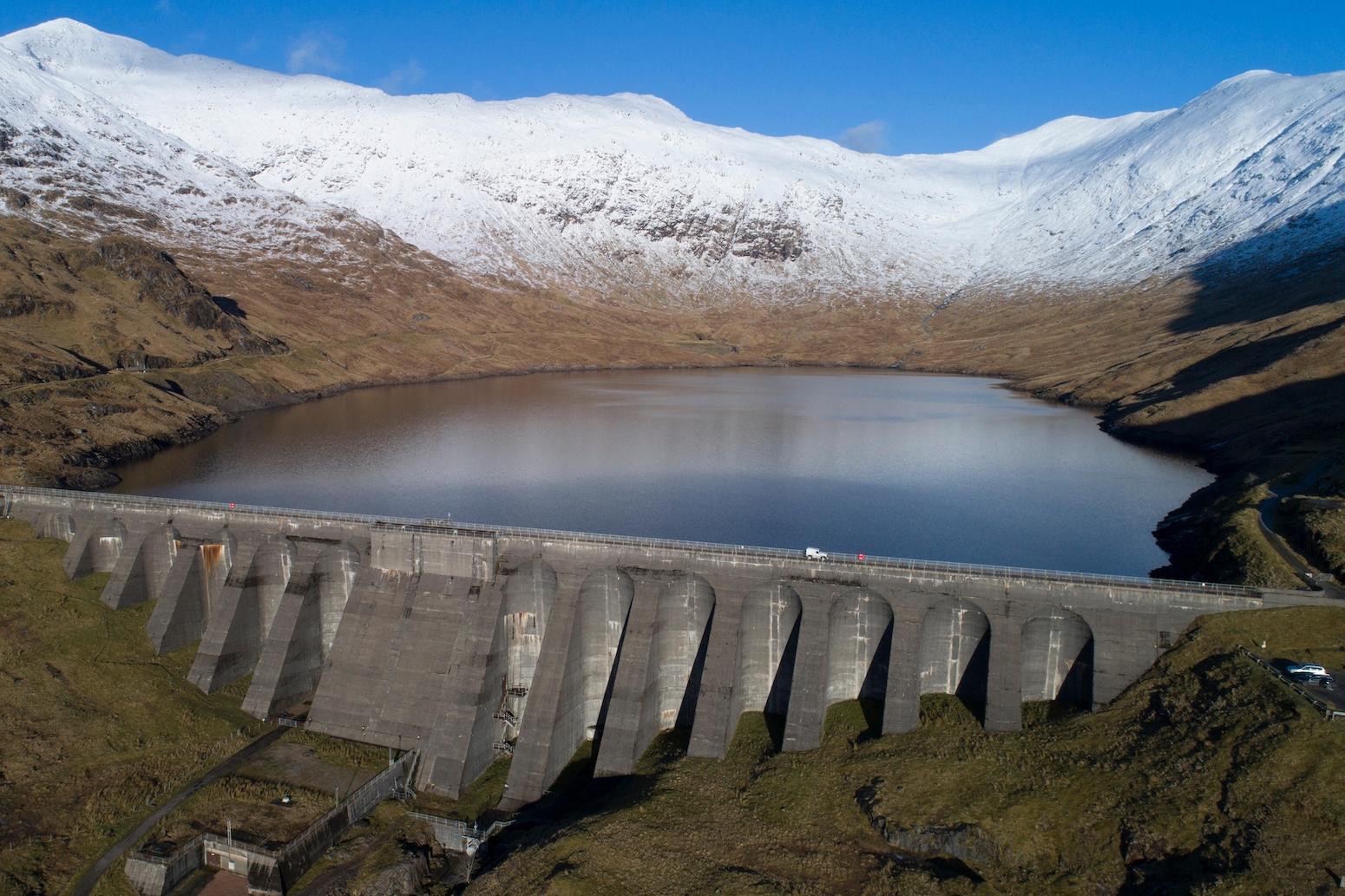
The UK currently operates 2.8 gigawatts of LDES capacity, primarily through four pumped-hydro facilities in Scotland and Wales. The largest is the Dinorwig power station in North Wales, a 1,728-megawatt facility opened in the 1980s that manages short-term electricity demand fluctuations. The nation is actively expanding this capacity through diverse technological approaches. In May 2026, the UK’s largest vanadium flow battery facility opened in Uckfield, East Sussex, with 90 flow batteries capable of storing 21 megawatt-hours of electricity—sufficient to power approximately 3,000 homes for one day.
OFGEM has identified 16 LDES projects for potential support under a new cap-and-floor scheme, utilizing various storage methods including pumped hydro, large lithium-ion batteries, flow batteries with novel chemistry, and compressed-air storage. These technologies fall into four main categories: mechanical, thermal, chemical, and electrochemical. Implementation of these storage solutions is projected to reduce UK energy system costs by more than £24bn between 2030 and 2050. The expansion of LDES capacity addresses the growing need to manage the variability inherent in wind and solar power generation, with experts noting that wind-driven systems particularly benefit from long-duration storage to handle significant fluctuations in renewable output.
Article Attribution | Read More at Article Source
Article summary produced by Claude AI