

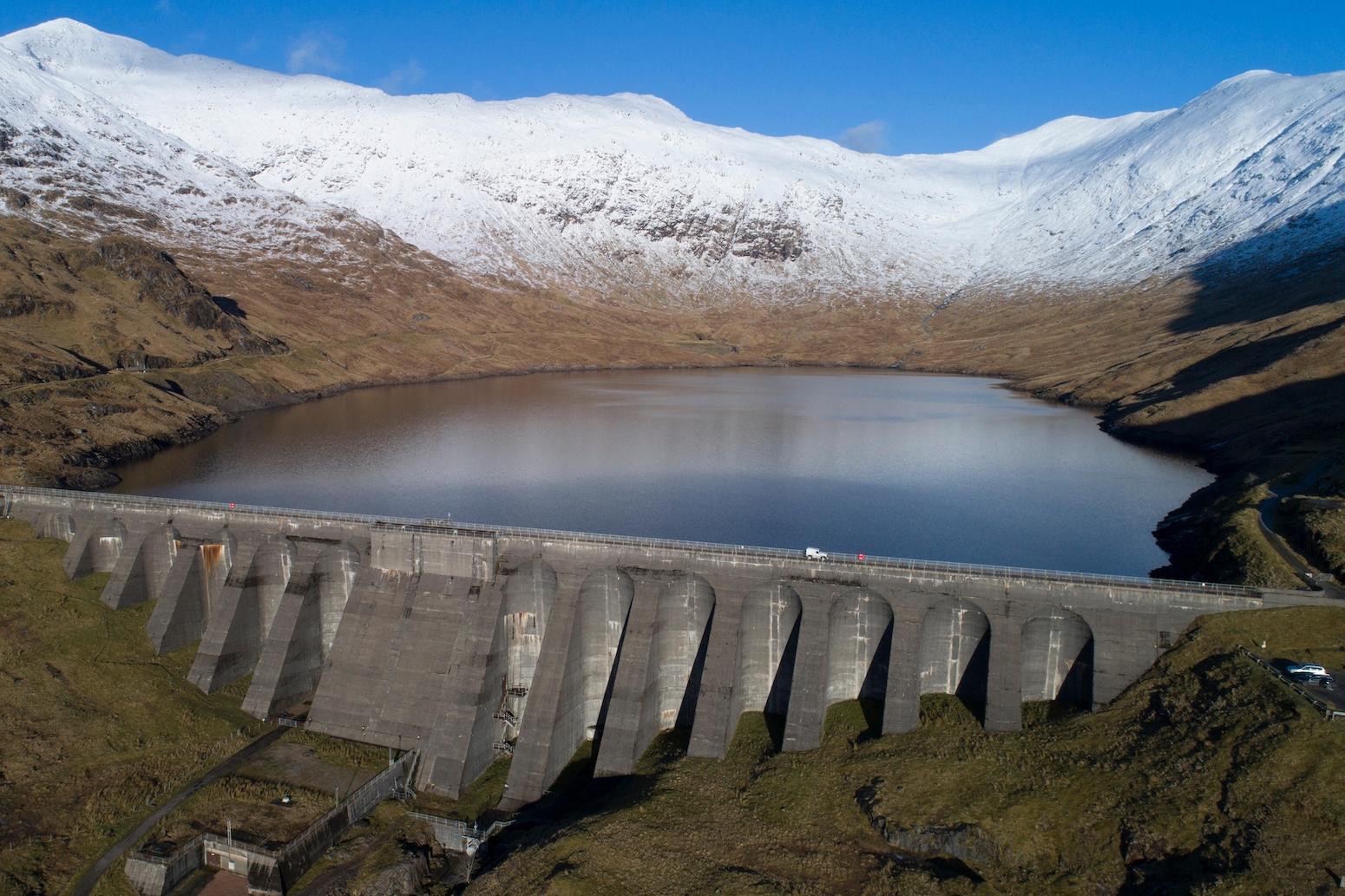
The United Kingdom is pursuing long-duration energy storage (LDES) technologies as part of its transition toward net-zero emissions. These systems are designed to store energy during periods of abundance and release it during gaps in renewable generation, such as when wind and solar output is low. Such extended periods without sufficient renewable generation—sometimes lasting days or weeks—are colloquially termed “dunkelflaute,” a German word referring to dark, windless conditions. Unlike conventional batteries that typically last only hours, LDES can maintain energy reserves over much longer timeframes.
Ofgem, the UK’s energy regulator, has identified 16 LDES projects deemed suitable for support under a newly established cap-and-floor funding scheme. The selected technologies encompass various approaches to long-term energy storage, including pumped hydro facilities, large lithium-ion battery systems, flow batteries with advanced chemical compositions, and compressed-air storage mechanisms. The technologies are classified broadly by the UK government as those capable of storing energy from four hours to multiple years, though regulatory definitions vary. Implementing these storage solutions is projected to reduce overall energy system costs by more than £24 billion between 2030 and 2050.
Currently, the UK possesses approximately 2.8 gigawatts of LDES capacity, predominantly supplied by four pumped-hydro facilities located in Scotland and Wales. The most prominent existing installation is the Dinorwig power station in North Wales, a 1,728-megawatt facility that has operated since the 1980s and functions to manage short-term electricity demand fluctuations. As renewable energy sources increasingly dominate the UK’s electricity generation mix, the demand for LDES infrastructure continues to grow to accommodate the natural variability inherent in wind and solar power generation.
Recent expansions illustrate the sector’s evolution. In May 2026, the UK’s largest vanadium flow battery facility became operational in Uckfield, East Sussex, paired with a 3-megawatt solar installation. The site contains 90 flow batteries capable of storing 21 megawatt-hours of electricity, sufficient to power approximately 3,000 homes for one day. Flow batteries function by storing energy in liquid chemical solutions circulated between tanks through electrochemical cells, allowing flexible discharge rates and durations.
Article Attribution | Read More at Article Source
Article summary produced by Claude AI