

The U.S. solar industry is experiencing significant growth in manufacturing capacity across multiple states, even as the sector faces federal-level challenges. Red state voters have signaled to pollsters that they are focused on reducing fuel and utility costs, positioning energy solutions as a central issue weeks before midterm elections. This voter sentiment has created pressure on policymakers to address energy affordability concerns.
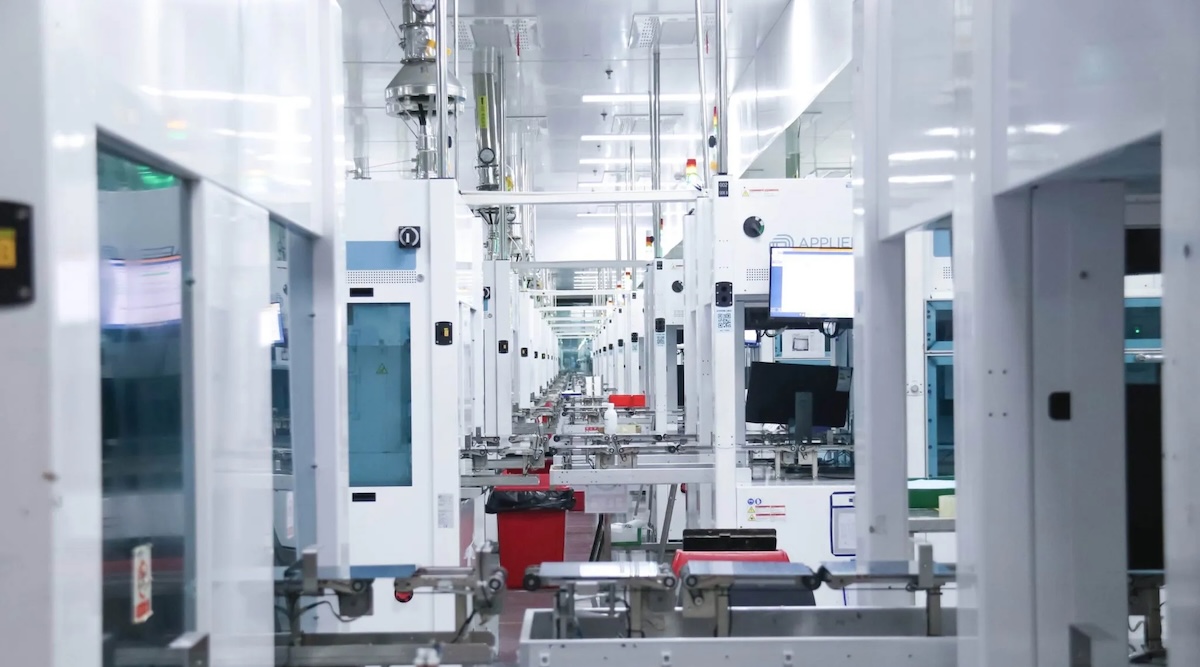
Suniva, a leading solar cell manufacturer, announced the completion of an $835 million funding round on September 8 to support expansion of its U.S. operations. The capital comes from multiple investors including Lion Point Capital, Goldman Sachs Alternatives, and I Squared Capital. The funds will finance a new 4.5 gigawatt monocrystalline silicon solar cell manufacturing facility in Laurens County, South Carolina, with completion expected in late 2027 and full operational capacity anticipated in 2028. The expansion is projected to create nearly 600 manufacturing jobs and will more than quadruple the company’s current capacity to 5.5 gigawatts of American-made solar cell production.
Other manufacturers are also making significant investments. ES Foundry, which opened a 2-gigawatt solar cell factory in Greenwood, South Carolina in July, announced on September 21 a $1.5 million three-year partnership with MIT’s Initiative for New Manufacturing. The collaboration will focus on artificial intelligence integration, automation, cybersecurity, and advanced manufacturing systems. ARRAY Technologies, a solar tracker manufacturer, unveiled a new $50 million facility in Albuquerque on September 9, tripling the size of its previous operation and supporting 300 jobs.
These investments reflect broader trends in the solar industry’s expansion despite headwinds. While the clean energy sector lost approximately 470,000 jobs following policy changes at the federal level, including the elimination of tax credits through the 2025 tax legislation, solar manufacturing has attracted sustained investor interest. Large energy consumers such as data center operators have supported the industry’s development due to its ability to provide power quickly and cost-effectively. Recent federal policy actions, including import limits on polysilicon, have created new opportunities for domestic manufacturers and encouraged investors to support American production capacity.
Article Attribution | Read More at Article Source
Article summary produced by Claude AI