

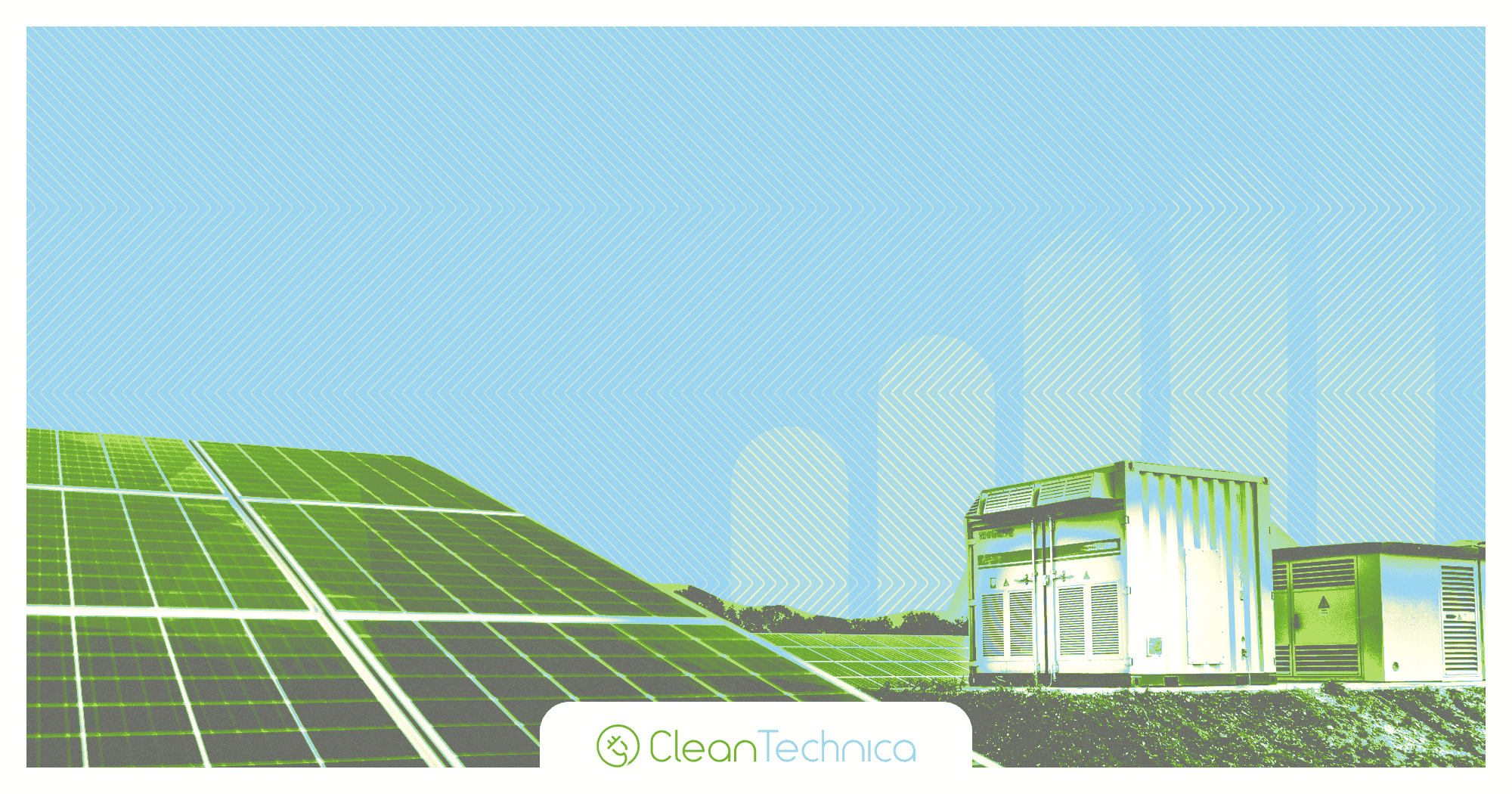
The United States achieved a record installation of 20.2 gigawatt-hours of energy storage capacity during the second quarter, according to the U.S. Energy Storage Market Outlook Q3 2026 released by the Solar Energy Industries Association and Benchmark Mineral Intelligence. This quarterly figure represents the largest deployment on record and brings total installations for the first half of the year to 30.8 GWh.
Utility-scale energy storage capacity has expanded significantly, nearly doubling from 88 GWh to 165 GWh over the first 18 months of the current administration. The surge reflects growing reliance on storage systems among grid operators, utilities, and energy purchasers seeking to enhance grid reliability and address increasing electricity demand. The industry’s outperformance of forecasts has prompted analysts to raise projections, with the 2030 forecast increased by 11.5% to 683 GWh of total capacity.
Geographic deployment patterns show concentrated growth in particular regions. More than 74% of second-quarter installations occurred in states that supported President Donald Trump in 2024, with Arizona, Texas, and Utah leading the expansion. Arizona alone deployed 6.2 GWh in the quarter, marking the strongest performance by any single state on record. Storage deployment has also diversified beyond traditional markets, with emerging pipeline growth noted in Arizona, Nevada, Oregon, and Colorado.
Battery storage has demonstrated increasing operational value, supplying more electricity to the grid during the first eight months of 2026 than throughout all of 2025. During periods of high demand and extreme heat in states such as Texas and California, storage systems have provided critical support to grid stability and helped mitigate price volatility for consumers. The sector has also achieved milestone achievements in domestic manufacturing, with two new battery cell facilities opening in Ohio and Tennessee alongside a new module manufacturing facility in Texas.
Breakdown of second-quarter installations shows utility-scale projects dominated deployment with 17.9 GWh, followed by commercial and industrial storage at 1.8 GWh and residential installations at 657 megawatt-hours.
Article Attribution | Read More at Article Source
Article summary produced by Claude AI