

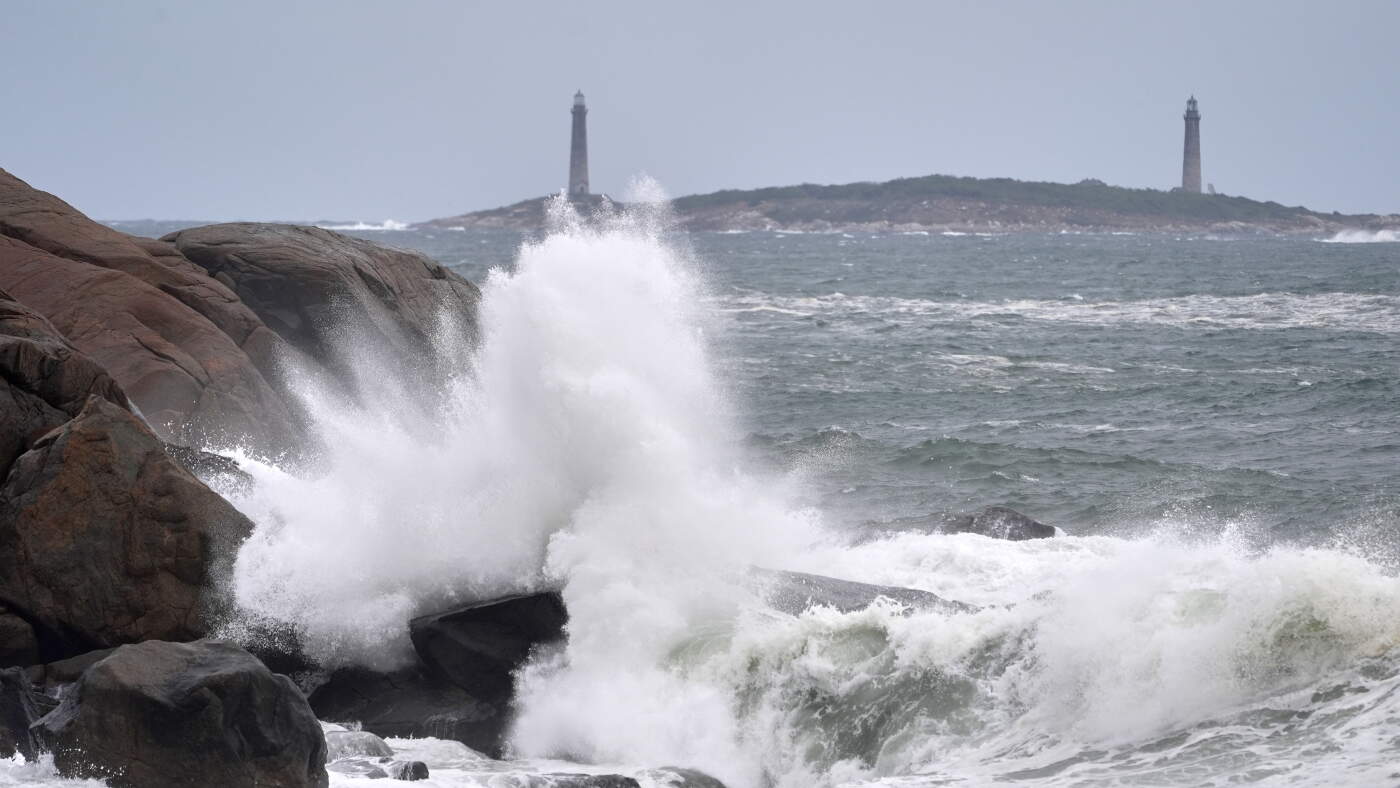
A significant nor’easter began affecting the U.S. East Coast on Friday, Sept. 25, 2026, with coastal New Jersey experiencing the first major impacts from the storm system. Roads in several communities flooded, including the borough of Surf City where water inundated streets and homes, while authorities braced for more severe conditions over the following days.
Thousands of residents lost power as the storm lashed the region with heavy rain and strong winds. The National Weather Service warned that dangerous flooding would likely affect the Mid-Atlantic coast, particularly in New Jersey and Delaware. Tens of millions of people were positioned in the storm’s path. Local officials in affected areas, such as Sea Bright, anticipated wind gusts reaching 50 mph and flooding potentially reaching 6 feet on some streets, with conditions expected to worsen by midday Saturday. The borough’s mayor compared the anticipated flooding to Hurricane Irene in 2011, urging hundreds of residents in low-lying areas to consider evacuating.
The storm prompted widespread transportation disruptions. More than 200 flights were canceled on Friday to and from airports in Boston, Nantucket, Martha’s Vineyard, and New York, with additional cancellations expected for Saturday. Airlines waived some change and cancellation fees for East Coast flights through the weekend. Ferry services connecting Cape Cod to nearby islands also experienced significant cancellations due to strong winds and rough waters. Entertainment and sports events were postponed or rescheduled, including concerts, an MLB game adjustment for the Boston Red Sox, and performances by musician Ed Sheeran.
Meteorologists noted that peak wind gusts could approach 60 to 65 mph on Cape Cod, Martha’s Vineyard, and Nantucket, compared to 50 to 55 mph around Boston and lower speeds inland. A particular concern involved the timing of the nor’easter early in the fall season, when leaves remained on trees, potentially increasing wind resistance and the risk of downed limbs and power outages. Residents in coastal areas undertook preparations including securing boats, arranging evacuation accommodations, and obtaining generators for potential power loss.
Article Attribution | Read More at Article Source
Article summary produced by Claude AI