

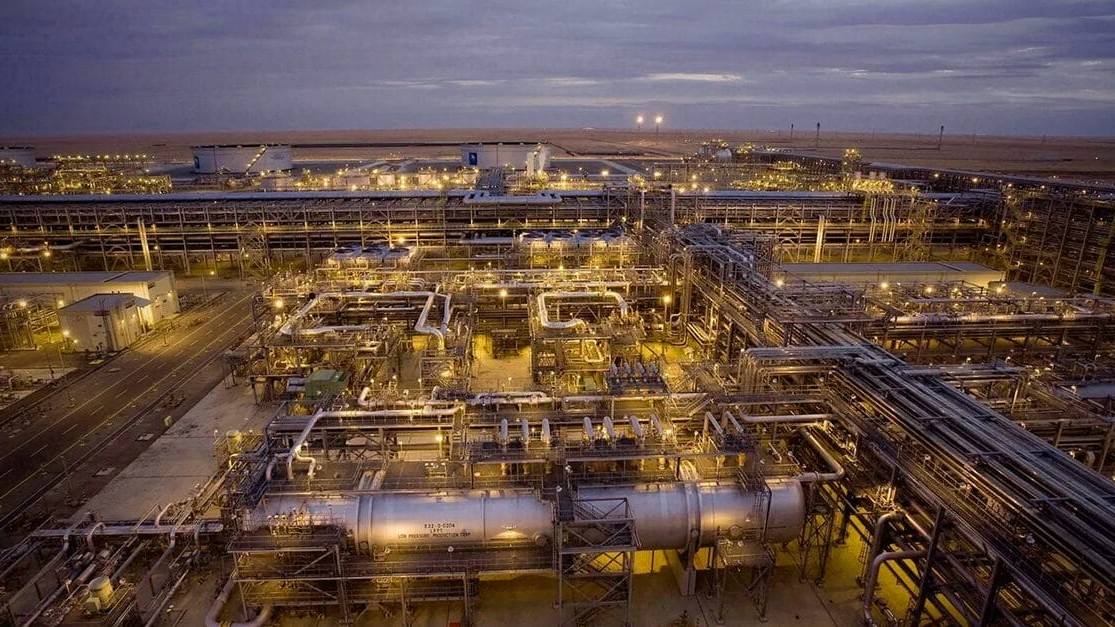
Saudi Arabia announced the suspension of oil loadings from Yanbu following the earlier halt of its East-West pipeline, a major transportation route that normally bypasses the Strait of Hormuz. The pipeline disruption stems from attacks on critical energy infrastructure, forcing the kingdom to redirect export flows through the Persian Gulf despite unprecedented challenges in doing so. Brent crude prices climbed to $108 per barrel in response to the supply disruption.
Asia’s energy markets face intensifying pressures from the combination of reduced Saudi supplies and elevated transportation costs. Chinese refiners are experiencing particular strain, with Shanghai Futures Exchange prices reaching record highs of $138 per barrel as operators compete for available October supplies. The cost of chartering large crude carriers in the Persian Gulf has surged to $30-32 per barrel, incorporating war risk premiums and additional insurance charges. This dramatically elevated freight market is forcing Middle Eastern producers to consider alternative routing strategies. Regional crude benchmarks have climbed $15-20 above ICE Brent, threatening to trigger demand destruction of approximately 1.5 million barrels per day across Asia this year, with China leading the consumption decline.
The broader energy landscape continues to shift as regional producers pursue alternative arrangements. Japan’s Organization for Metals and Energy Security concluded its first emergency liquefied natural gas supply agreement with Malaysia’s Petronas to diversify supply sources beyond standard term contracts. QatarEnergy is actively negotiating long-term liquefied natural gas deals with multiple U.S. exporters through 2031 to compensate for infrastructure damage caused by regional hostilities. Meanwhile, Sempra Infrastructure finalized a 20-year liquefied natural gas supply agreement with Brazil’s Petrobras, with deliveries commencing in 2030.
In upstream developments, Enbridge agreed to acquire Tallgrass Energy’s oil business for $2.55 billion, gaining majority control of the 460,000 barrel-per-day Pony Express Pipeline. Venezuela restarted gasoline production at key refineries, while Thailand and Malaysia extended a 35-year production sharing contract covering shared gas reserves that supply approximately 700 million cubic feet per day to both nations.
Article Attribution | Read More at Article Source
Article summary produced by Claude AI