

The prolonged Middle East conflict, now spanning seven months contrary to initial expectations of a swift resolution, is creating severe strains on global oil markets as available safeguards diminish. The oversupply conditions present in early periods of the conflict have largely evaporated, with floating oil reserves drawn down significantly following the closure of the Strait of Hormuz to tanker traffic in March. The International Energy Agency coordinated record-scale releases from strategic reserves in developed nations, reducing the U.S. Strategic Petroleum Reserve to levels not seen since the early 1980s.
China’s demand-management strategy of sharply reducing crude purchases by millions of barrels daily in May and June provided temporary market stabilization. However, that nation has begun restoring import levels, eliminating a crucial mechanism that previously prevented prices from reaching record territory. This convergence of depleted inventory buffers and recovering demand emerges precisely as a major supply disruption has materialized.
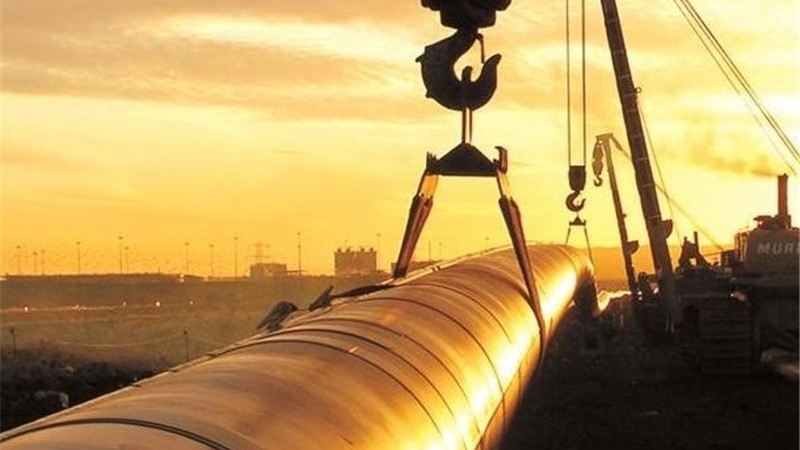
Saudi Arabia’s East-West pipeline, which had enabled the kingdom to redirect crude oil exports away from the Hormuz Strait toward the Red Sea port of Yanbu, sustained drone attacks late in the prior week and faces extended outage potential. The pipeline had successfully facilitated the rerouting of approximately 4 million barrels daily from Persian Gulf loading terminals. While Saudi stocks at Yanbu may sustain short-term exports, prolonged pipeline closure risks jeopardizing Red Sea shipments already under significant threat from Houthi maritime operations originating from Yemen.
Global inventory data from the IEA indicates cumulative draws of 507 million barrels since February, equivalent to 2.8 million barrels daily. Oil on water volumes contracted by 65 million barrels in August as tanker operations faced renewed attack risks. Industry observers note approximately 9 million barrels daily of Middle Eastern supply currently remain offline, with even Strait of Hormuz transit volumes recovering only to slightly above half of pre-conflict levels through alternative routing and military escort arrangements.
Current oil prices stand at their highest levels since May, with diesel prices reaching record levels. Market participants including major energy executives have indicated that remaining buffers have been exhausted, positioning the market for potential further price increases. Demand reduction through market forces appears positioned as the primary remaining mechanism for achieving supply-demand balance amid the prolonged regional instability and elevated war-risk insurance costs affecting maritime transportation.
Article Attribution | Read More at Article Source
Article summary produced by Claude AI