

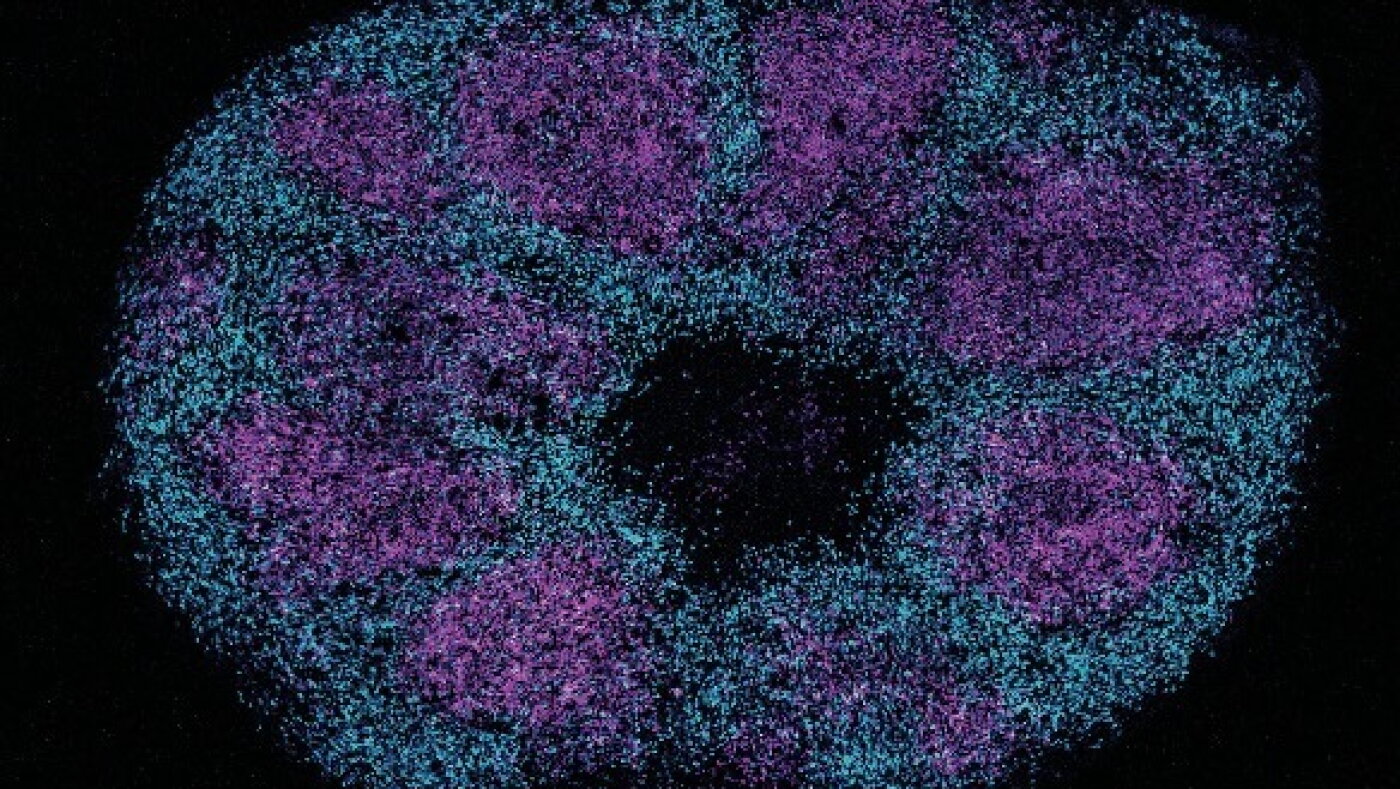
Researchers at UC San Francisco have identified more than 1,800 interactions between proteins encoded by genes linked to profound autism, according to findings published in the journal Science. The work represents a significant step toward understanding the molecular mechanisms underlying severe autism, which often involves severe intellectual disability, nonverbal or minimal speech, and conditions such as epilepsy.
The research addresses a longstanding gap in autism science. While geneticists have identified several hundred genes and mutations associated with profound autism in recent years, translating these discoveries into effective treatments has proven challenging. The new protein interaction map bridges this gap by revealing how the proteins produced by these autism-risk genes function and work together within cells.
The team employed multiple approaches to map protein interactions, including laboratory techniques using cultured cells and organoids—lab-grown tissues that model the human brain. Researchers introduced mutations found in autism patients and observed how these changes affected protein function and cellular processes. In one example, a mutation weakened the connection between two proteins involved in gene regulation, causing downstream effects that led to neurodevelopmental abnormalities in organoids.
A key finding involved the use of artificial intelligence technology, specifically AlphaFold developed by Google DeepMind, which helped researchers predict which proteins directly interact with one another. According to the research team, this approach dramatically accelerated analysis that previously required years of work, reducing timelines to hours. The analysis revealed that many mutations operate through shared biological pathways, particularly those governing early brain development, including synapse formation and neuronal development patterns.
Experts in the field have emphasized the potential significance of these findings. The molecular atlas is expected to serve as a resource for researchers pursuing drug development strategies and may offer hope for families affected by profound autism.
Article Attribution | Read More at Article Source
Article summary produced by Claude AI