

Scientists at UC San Francisco have identified key protein interactions associated with profound autism by analyzing mutations from genes linked to the condition. The research team, led by Dr. Matthew State and Nevan Krogan, examined more than 1,800 protein interactions stemming from high-risk autism genes and published their findings in the journal Science.
Profound autism is characterized by severe intellectual disability, minimal or no verbal communication, and often co-occurring conditions such as epilepsy. While researchers in recent years have identified several hundred genes with mutations present in individuals with profound autism, translating these genetic discoveries into viable treatments has proven challenging. The new study addresses this gap by examining how proteins produced from these genes interact with one another at the molecular level.
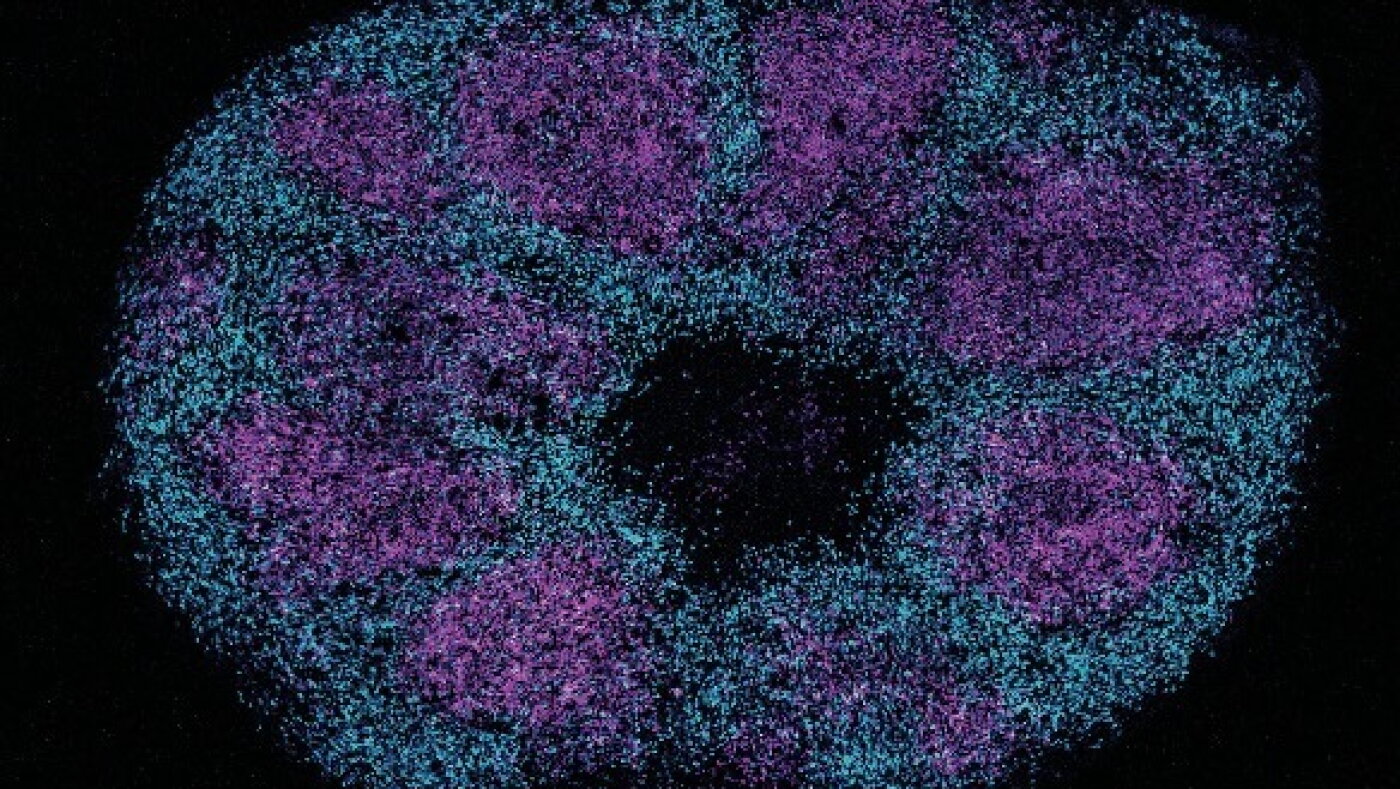
The researchers employed both traditional experimental methods and advanced artificial intelligence technology to map protein interactions. They selected 100 proteins derived from high-risk autism genes, introduced them into lab-grown cells, and identified which proteins attached to one another. Using AlphaFold, an AI system developed by Google DeepMind, the team determined which proteins were directly interacting. The researchers then introduced autism-associated mutations and observed resulting changes using frog models and organoids, which are laboratory-grown tissues that simulate human brain development.
The analysis revealed that despite hundreds of distinct rare autism genes, many mutations converge on shared biological pathways, particularly those involved in early brain development, synaptic construction, and neuronal development. In one example, mutations weakened connections between two proteins controlling gene activation in cells, causing one protein to malfunction and trigger neurodevelopmental defects in organoids. This convergence suggests that treatments targeting these shared pathways could address multiple genetic variations simultaneously.
Experts in the field have characterized the work as a significant advancement. The molecular atlas created through this research provides a resource for identifying promising therapeutic targets and may accelerate drug development efforts for individuals with profound autism.
Article Attribution | Read More at Article Source
Article summary produced by Claude AI