

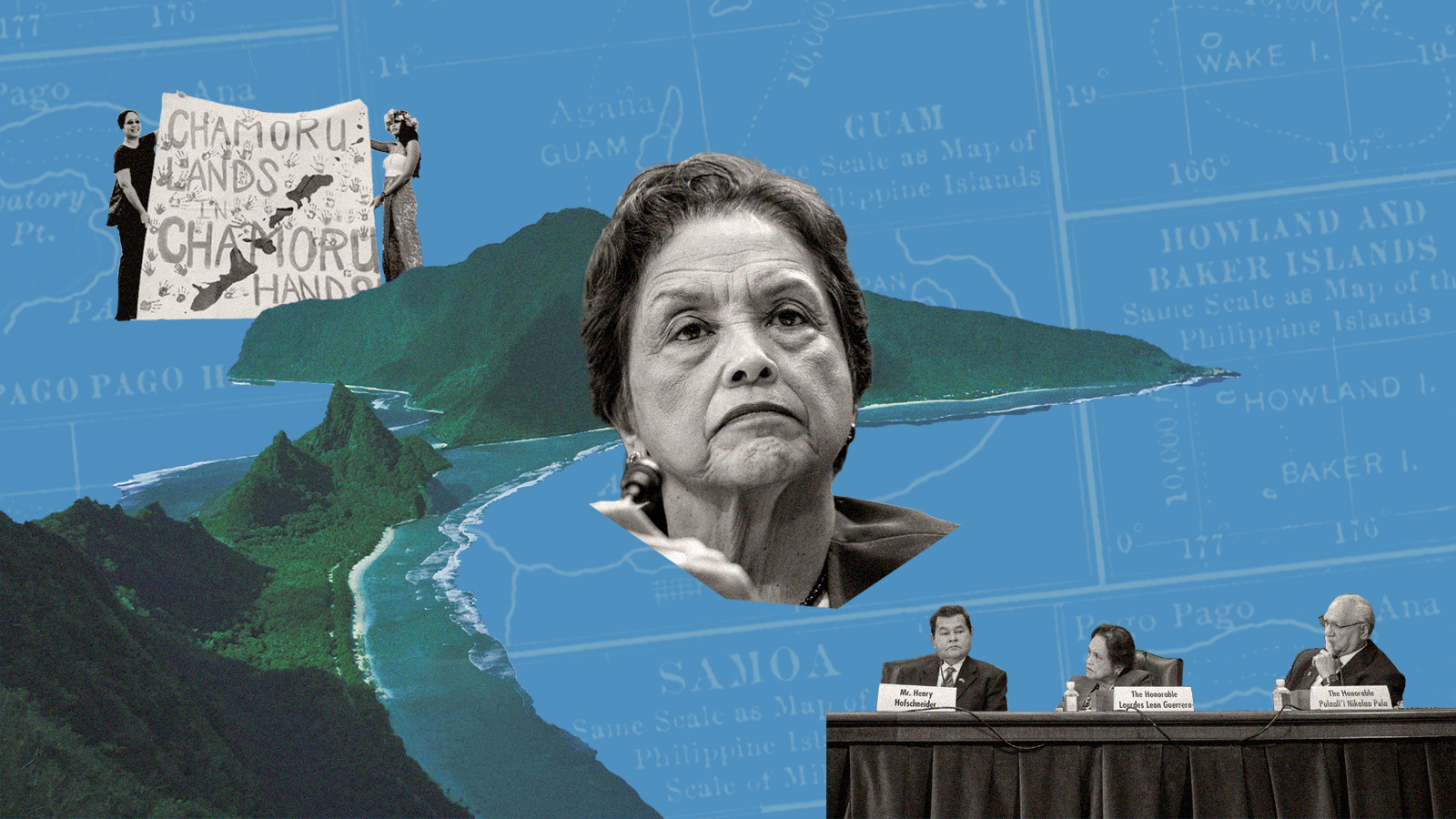
Lou Leon Guerrero, governor of Guam, discovered plans by the Trump administration to lease vast areas of seafloor around her territory to mining companies through media reports in November, rather than through official channels. She expressed her opposition to the initiative and called officials in the Department of the Interior to voice concerns, though she acknowledged the federal government’s legal authority to proceed without territorial approval.
The mining effort is part of a broader strategy to secure critical minerals including copper, manganese, nickel, and rare earth elements needed for military technologies and batteries, with the administration citing the need to counter China’s dominance in global supplies. The Marine Minerals Administration announced plans to auction access to 31 million acres around American Samoa in mid-November and over 67 million acres around the Mariana Islands in December, with roughly half the latter area bordering a national marine monument established by President George W. Bush.
Territorial leaders and environmental organizations have mounted strong opposition to the plans. Earthjustice, an environmental law nonprofit, filed lawsuits on behalf of conservation groups in American Samoa and the Mariana Islands, arguing that the government lacks sufficient knowledge about potential harms to protected species such as whales and sea turtles under the Endangered Species Act. The Marine Minerals Administration indicated it would continue coordinating with territorial leadership and community members.
Unlike independent Pacific nations that can make their own mining decisions, U.S. territories including Guam, American Samoa, and the Northern Mariana Islands are subject to federal decisions often made without their approval. Under international law, indigenous peoples have rights to free, prior, and informed consent regarding projects affecting their lands and waters, though the Trump administration asserts its authority to proceed under U.S. law. Observers note this reflects a broader pattern of limiting territorial self-determination that has persisted for more than a century.
Deep-sea mining has not yet occurred commercially, and scientific understanding of its consequences remains limited. Community members in American Samoa expressed concerns that companies would gain property interests in ocean floors without full assessment of potential impacts.
Article Attribution | Read More at Article Source
Article summary produced by Claude AI