

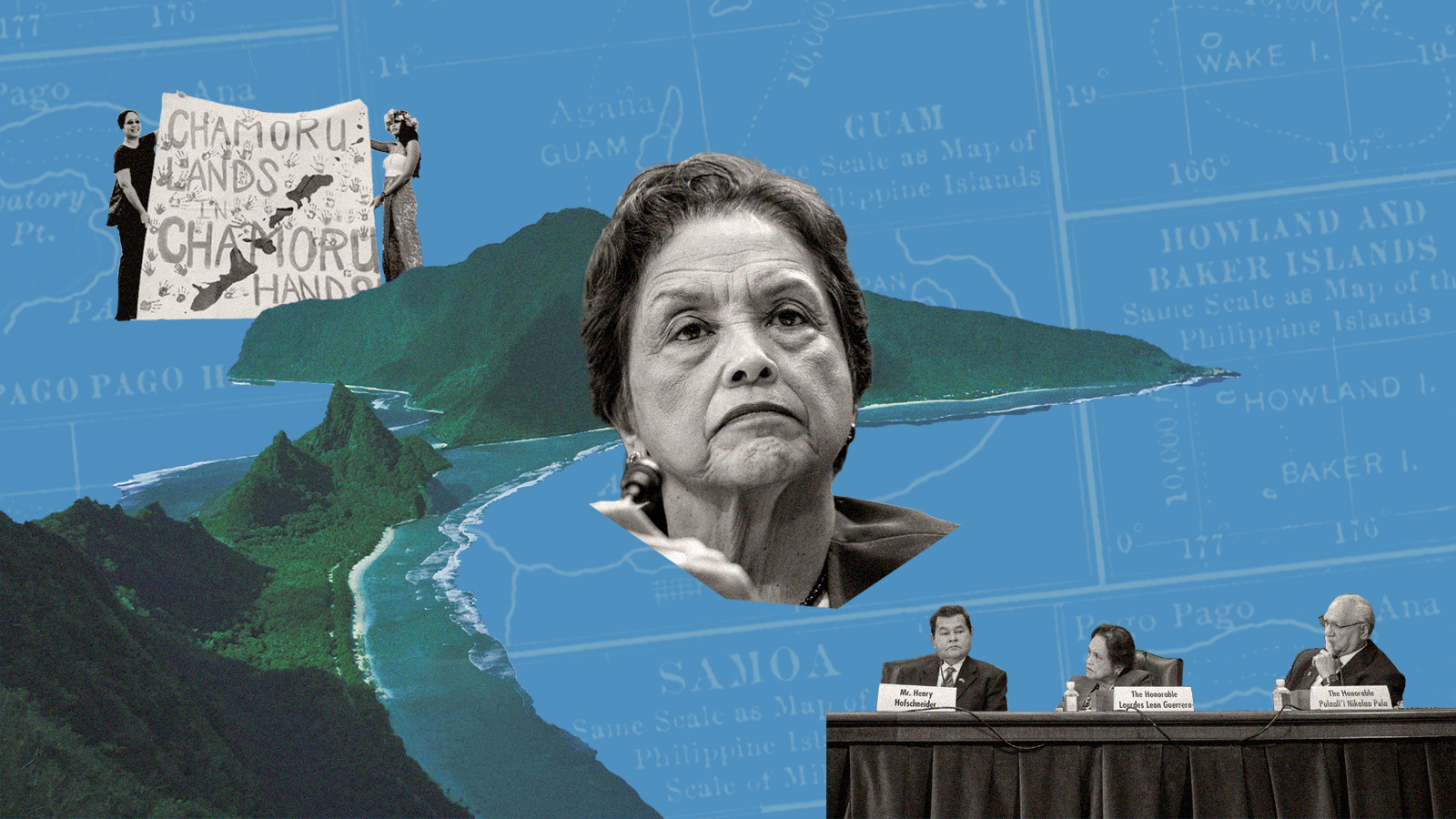
Governor Lou Leon Guerrero of Guam discovered through a news article in November that the Trump administration planned to lease millions of acres of seafloor around her island to mining companies. She had received no advance notification of the proposal, prompting immediate calls to neighboring territorial leaders and federal officials expressing her concerns.
The leasing initiative is part of a broader federal strategy to secure critical minerals including copper, manganese, nickel, and rare earth elements needed for military technologies and batteries, as well as to counter China’s dominance in global mineral supply. The Marine Minerals Administration announced plans to auction access to approximately 31 million acres off American Samoa in mid-November and over 67 million acres near the Mariana Islands archipelago in December. About half of the acreage near the Marianas borders a national marine monument established by President George W. Bush.
Local leaders and environmental organizations are mounting strong opposition to these plans. Earthjustice, an environmental law nonprofit, filed lawsuits on behalf of conservation groups in American Samoa and the Mariana Islands, arguing that the government has not adequately assessed potential harms to protected species such as whales and sea turtles under the Endangered Species Act. The Marine Minerals Administration stated it would continue coordinating with territorial leadership and community members, though the federal government asserts it has authority to proceed under U.S. law.
The situation highlights broader governance disparities facing Pacific territories. Unlike neighboring Pacific nations that can independently decide on mining, these U.S. territories lack meaningful decision-making power. Residents cannot vote for president, have no voting representation in Congress, and lack recognized rights to self-determination. According to advocates, this reflects a century-long pattern of colonial governance that has left these territories largely invisible in broader U.S. policy discussions.
Concerns about the mining initiative center on the lack of comprehensive environmental impact assessment. Deep-sea mining has not occurred commercially before, and scientific understanding of its consequences remains limited. Community members have questioned why companies would gain property interests in ocean resources before impacts are fully understood.
Article Attribution | Read More at Article Source
Article summary produced by Claude AI