

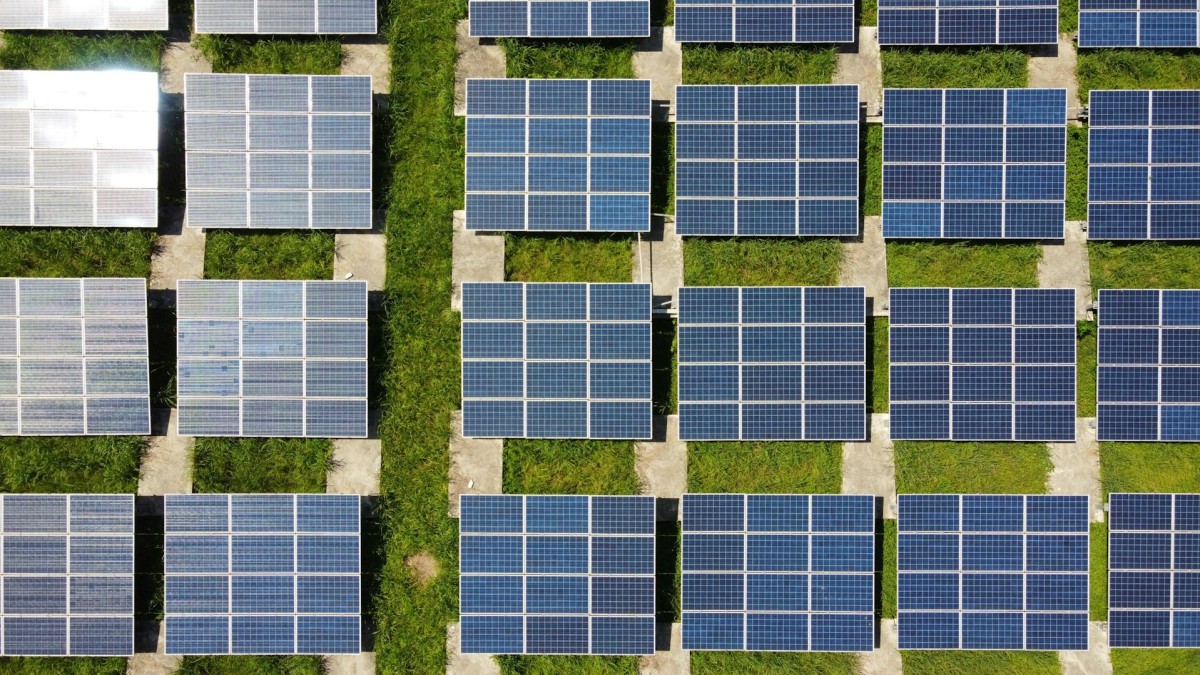
Global solar energy capacity continues to expand at accelerating rates, driven by declining panel costs and increasing recognition of solar’s economic and security benefits. However, the growth trajectory varies significantly by region, with emerging economies now outpacing some of the world’s wealthiest nations in clean energy capacity additions.
Europe, traditionally positioned as a renewable energy leader, is experiencing a notable deceleration in solar installations. Grid infrastructure limitations are constraining further solar expansion across major EU countries, as peak production periods overwhelm transmission networks lacking adequate energy storage capabilities. This infrastructure bottleneck creates efficiency losses and grid stability risks, exemplified by a blackout affecting Spain and Portugal in 2025. European policymakers are working to expand storage capacity, but this remains a work in progress.
Romania has emerged as a notable exception within Europe by prioritizing energy storage development alongside solar deployment. The country increased solar installations by 45 percent in 2025, substantially outpacing other European nations, through widespread adoption of small-scale residential solar-plus-battery systems. Industry analysts credit this approach of deploying storage early in the solar expansion cycle as a model for balancing generation capacity with grid reliability.
Meanwhile, several developing economies are achieving rapid energy transitions through similar distributed solar-plus-battery strategies. Nations including Brazil, Chile, El Salvador, Morocco, Kenya, and Namibia have overtaken the United States in clean energy capacity growth. Pakistan has become particularly notable, with residents rapidly installing rooftop solar and battery systems at rates exceeding any other market globally, driven by economic advantages and the need for reliable electricity supply.
Solar energy adoption is increasingly driven by economic fundamentals and energy security considerations rather than climate policy alone. As solar has become the world’s cheapest electricity source, its appeal extends across diverse economies seeking energy independence and resilience, particularly smaller nations with limited geopolitical leverage in global energy markets.
Article Attribution | Read More at Article Source
Article summary produced by Claude AI