

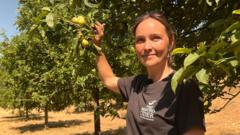
Somerset’s cider-making industry faces significant disruption following an extended summer drought that has devastated apple production across the region’s famous orchards. Multiple producers report dramatic reductions in fruit yields, with some operations capturing only a fraction of their typical annual harvest. The dry conditions have forced trees under stress to shed their fruit prematurely, resulting in widespread crop failure before apples reach maturity.
Smaller independent cider makers relying on fresh juice production report particularly acute challenges. One producer near Bath indicates current output may reach only 10 percent of normal levels, while larger commercial operations that typically harvest tens of thousands of tonnes are seeing comparable declines. The situation is compounded by the fact that the previous year also experienced drought conditions, leaving trees weakened and less capable of producing fruit this season. Some growers report being forced to discard apples that rot before ripening can occur, effectively destroying the year’s investment in cultivation.
While current cider inventories allow established producers to continue operations, concerns about future sustainability are mounting. Climate scientists warn that the pattern of hot, dry summers is becoming increasingly common rather than exceptional. Traditional approaches to orchard management are proving inadequate, forcing growers to consider investments in irrigation systems that may not be economically feasible for cider apple production, particularly when competing with higher-value eating apple varieties.
The broader implications extend beyond immediate supply concerns. Climate shifts are altering which apple varieties thrive in Somerset, potentially changing the flavor profile of the region’s cider. Some traditional varieties require specific cold-weather conditions that have become less reliable, prompting growers to experiment with alternative cultivars better suited to warming trends. These adaptations represent a fundamental shift in how Somerset cider production may need to evolve in response to changing environmental conditions.
Article Attribution | Read More at Article Source
Article summary produced by Claude AI