

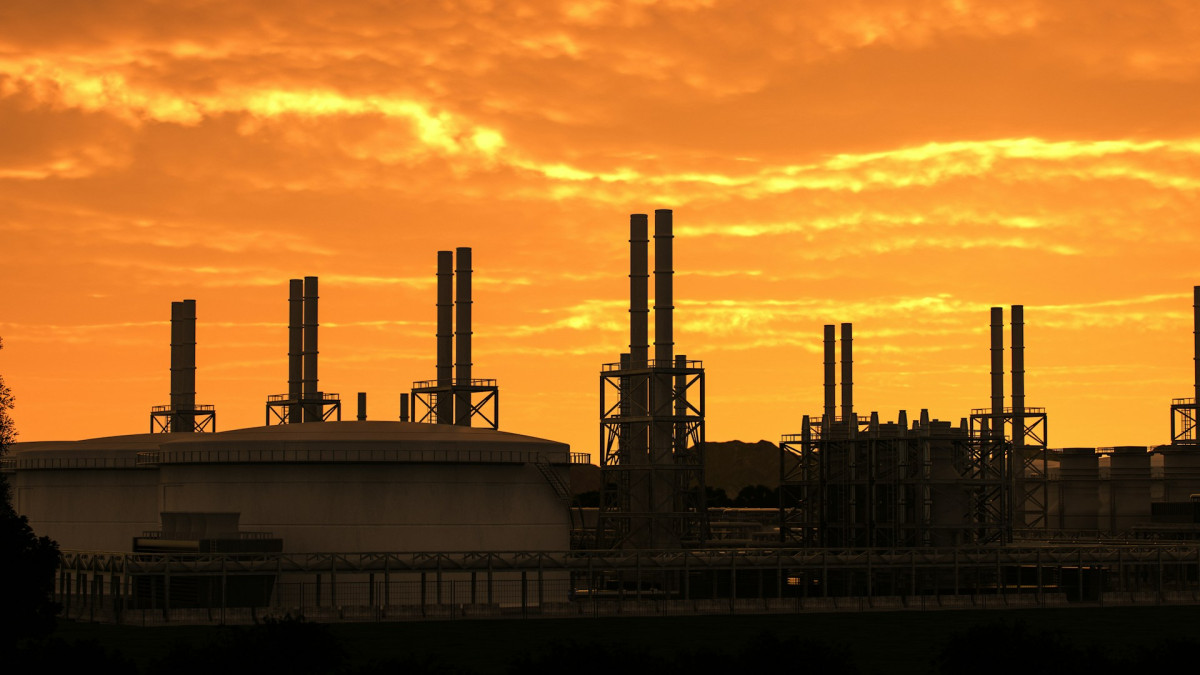
South Korea has designated a proposed $22.3 billion power generation facility in Encinal, Texas as the inaugural project from its $350 billion commitment to American infrastructure investment. The 6.3-gigawatt complex, which received selection this week, is structured to be built in phases, beginning with 1.4 gigawatts of simple-cycle gas turbines followed by approximately 4.9 gigawatts of combined-cycle generation capacity. The Trump administration reportedly requested a roughly 25 percent expansion of the project’s scope, potentially bringing the total cost to approximately $25 billion.
The venture mirrors Japan’s approach to capital deployment under its own $550 billion pledge to the United States. Japan’s inaugural investment, a gas generation facility in Ohio with capacity of 9.2 gigawatts, carries remarkably similar per-unit costs to the Korean project. Both facilities are designed to supply electricity primarily to artificial intelligence data centers and semiconductor manufacturing operations, sectors Washington has identified as priorities requiring substantial power generation capacity.
The Texas project still requires final US government approval and faces a critical timeline challenge: no power purchase agreements have been confirmed to date, with negotiations targeted for 2027. Korean officials estimate the plant could generate $43 billion to $45 billion in revenue over two decades, sufficient to recover initial investment and interest under the terms of the November 2025 bilateral agreement. This deal allocates $200 billion in upfront Korean capital for strategic industries, capped at $20 billion annually, with profits split 50-50 until Korea recovers its investment, after which the US retains 90 percent of returns.
Industry analysts highlight structural challenges facing the project. Global supply chains for large gas turbines are effectively sold out through 2030, with some orders not expected to arrive until 2032. Additionally, the absence of confirmed customers represents a significant risk, particularly as the artificial intelligence expansion cycle analysts warn may be approaching peak investment levels. Korean officials have stated negotiations with American counterparts have been intensive, with particular focus on ensuring commercial viability and expanding Korean corporate participation in the US market.
Article Attribution | Read More at Article Source
Article summary produced by Claude AI