

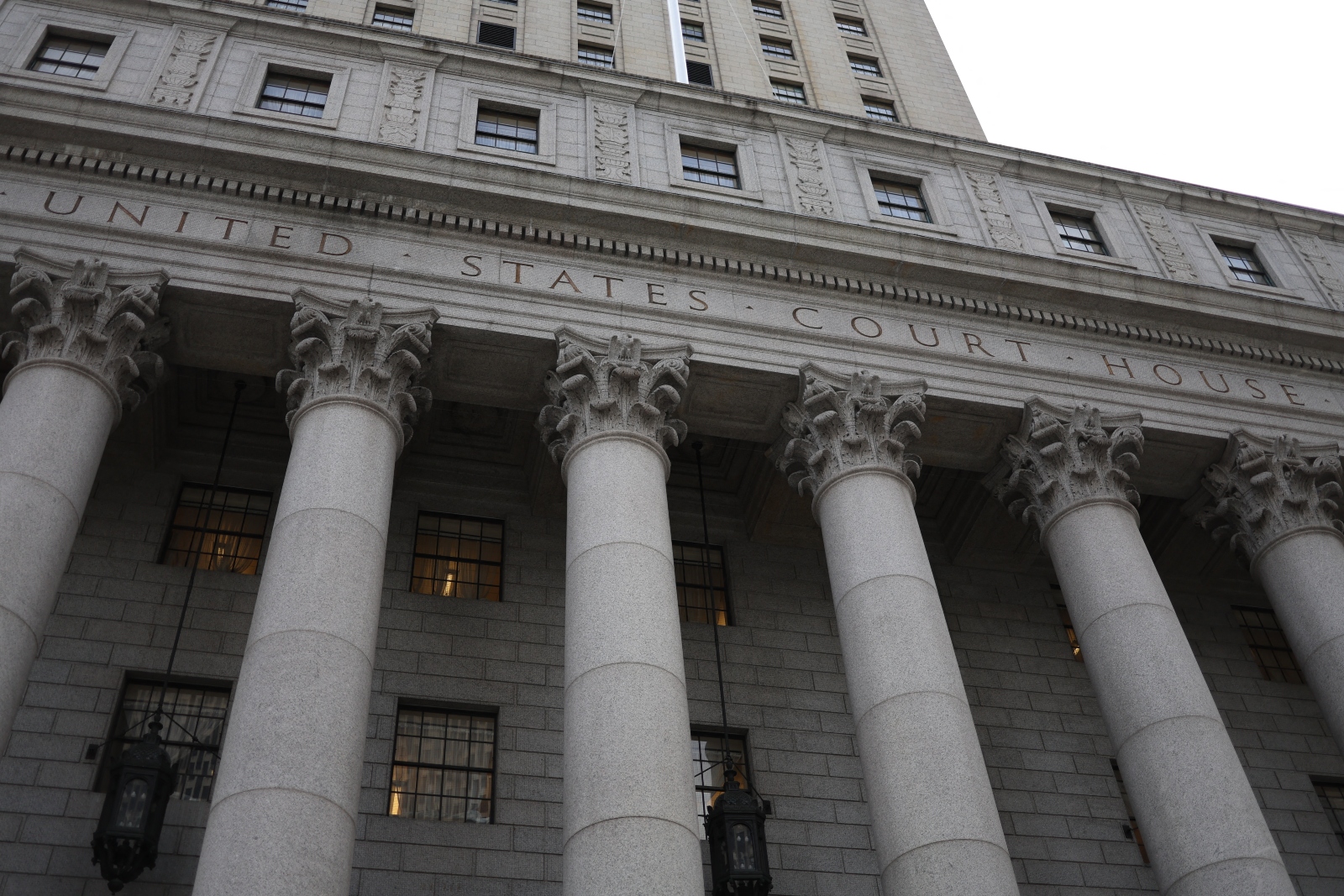
A federal judge last week issued another ruling blocking New York’s climate superfund law, which was signed in 2024 and sought to require fossil fuel companies to pay for costs associated with climate change impacts. The law, which would have sought approximately $75 billion from fossil fuel firms to fund recovery efforts and infrastructure projects like upgraded stormwater systems, was modeled after the federal Superfund Act of 1980. Two court rulings found the legislation preempted by federal law, specifically the Clean Air Act, with one judge determining the measure was “simply beyond the limits of state law.”
The decisions have prompted resistance from Republican lawmakers and attorneys general, with some vowing legal action against any state that enacts similar measures. New Jersey Republican state Senator Michael Testa called pursuing such legislation “a waste of time and resources,” while West Virginia Attorney General JB McCuskey said he would sue any state passing such a policy “almost instantaneously.” Vermont is currently the only other state to have enacted a climate superfund law and is facing its own legal challenge.
Despite the setbacks, Democratic lawmakers from Connecticut, Hawaiʻi, Rhode Island, New Jersey, and New Hampshire have expressed continued interest in advancing climate superfund bills. Rhode Island Representative Jennifer Boylan called the New York case “a convenient strategy to try to scare us all,” while lawmakers from California, Illinois, and Massachusetts have also indicated interest in introducing superfund proposals. New York is expected to appeal both rulings.
A more significant threat to these efforts may come from Suncor v. Boulder County, a Supreme Court case beginning next week that could have broader implications. Legal experts warn that an unfavorable decision could preempt all state-level climate accountability cases, potentially nullifying not only superfund proposals but also consumer rights, racketeering, and antitrust claims. A decision in that case is not expected until next spring.
Article Attribution | Read More at Article Source
Article summary produced by Claude AI