

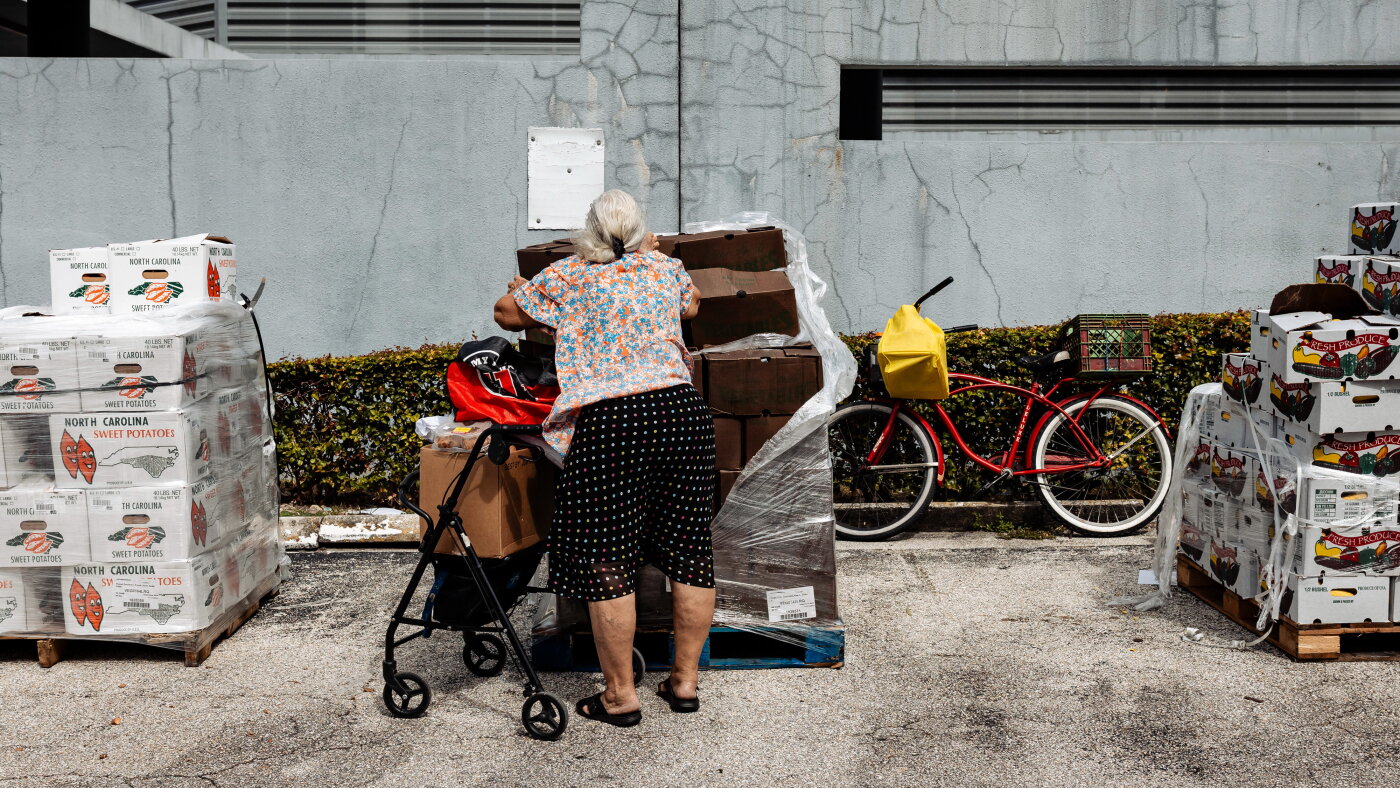
The poverty rate among Americans aged 65 and older increased to 15.4% in 2025, marking the fifth consecutive year of growth in senior poverty rates, according to analysis by the AARP Foundation based on Census Bureau data. The rate climbs even higher for elderly women, reaching nearly 17%. This upward trend diverges from broader poverty statistics, which fell to record lows nationally in the same period, suggesting gains in overall economic conditions were not distributed evenly across demographic groups.
The age group most immediately at risk comprises adults between 50 and 64 years old. One in eight people in this demographic currently lives below the poverty line, with many more barely above that threshold. According to AARP Foundation president Claire Casey, individuals in this cohort struggle with basic financial stability and cannot set aside savings for future retirement. The foundation’s quarterly surveys of low-income older adults reveal deepening hardship, with nearly one-third reporting households that ran out of food before having money to purchase more, based on findings from summer surveys.
Economic pressures have intensified among vulnerable older workers. Recent AARP Foundation data indicates that one-third of respondents lack sufficient savings to cover a $100 emergency, a figure that increased from 28% in the previous quarter. Many older adults are responding to cost pressures by securing multiple income sources, with nearly two-thirds of employed older workers reporting at least one additional paid work arrangement. Housing costs present a particular burden, with half of the oldest women heading households spending excessive portions of income on housing expenses.
Policy changes have compounded these challenges. Recently implemented work requirements for food assistance and Medicaid, along with other program modifications, have contributed to an estimated five million drop in Supplemental Nutrition Assistance Program enrollment. Despite these policy shifts, Social Security remained a critical poverty-prevention tool, keeping nearly 29 million people above the poverty threshold in 2025. Analysts and advocacy groups express concern that administrative barriers and changing eligibility requirements may further reduce access to safety net programs precisely when older adults in their peak earning years need resources most for retirement preparation.
Article Attribution | Read More at Article Source
Article summary produced by Claude AI