

Global electricity demand is accelerating due to data centers, industrial electrification, new manufacturing facilities, and cooling needs. The International Energy Agency projects that data-center consumption alone will more than double to approximately 945 TWh by 2030, roughly equivalent to Japan’s current total consumption. This rapid demand growth has shifted the power industry’s focus from merely comparing generation costs to evaluating construction speed, as capacity shortages emerge faster than conventional plants can be built.
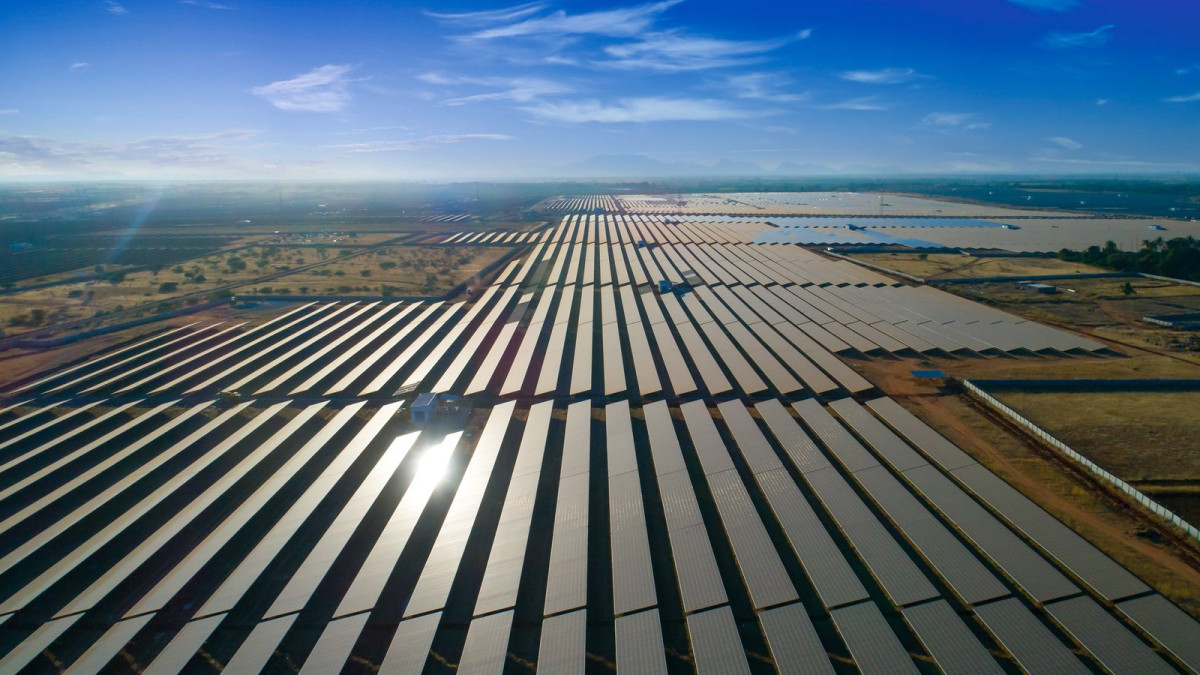
Renewable energy sources possess significant structural advantages in deployment velocity compared to conventional generation technologies. Utility-scale solar installations require approximately 15 months from construction start to operation, while onshore wind takes 18 months and offshore wind 24 months. Conventional alternatives require substantially longer periods: combined-cycle gas plants need roughly two years, coal plants five to five-and-a-half years, and nuclear facilities seven years. Solar and wind’s modular, repeatable design allows thousands of units to be installed simultaneously, enabling partial projects to begin generating revenue while construction continues, unlike single large-capacity plants that depend on individual massive components.
The gas turbine sector, traditionally positioned as the rapid-deployment solution for power shortages, now faces significant capacity constraints. Siemens Energy reported a 69-GW backlog of gas turbines during its fiscal third quarter of 2026, with lead times exceeding three years. GE Vernova’s position is more acute, with backlogs and reservations reaching 116 GW in the second quarter of 2026, already accepting orders for delivery in 2031. Combined-cycle plant costs have more than doubled to above $2,400 per kilowatt in some markets, while turbine lead times exceed five years.
Critics correctly note that renewable capacity differs fundamentally from dispatchable generation, as solar and wind output varies with weather and daylight. However, the appropriate comparison is not individual technologies in isolation but the fastest deployable portfolio meeting system requirements. Solar and wind can rapidly supply bulk energy, while batteries provide short-duration storage and grid services, existing hydroelectric and nuclear fleets supply firm capacity, and demand response reduces peak requirements. Current market deployment reflects this reality, with developers increasingly choosing solar-plus-storage hybrid projects completable in 18 to 20 months when turbine availability constraints make gas plants infeasible. The IEA expects renewables to supply nearly half of additional electricity consumed by data centers through 2035, citing their short lead times and compatibility with corporate power-purchase agreements.
Article Attribution | Read More at Article Source
Article summary produced by Claude AI