

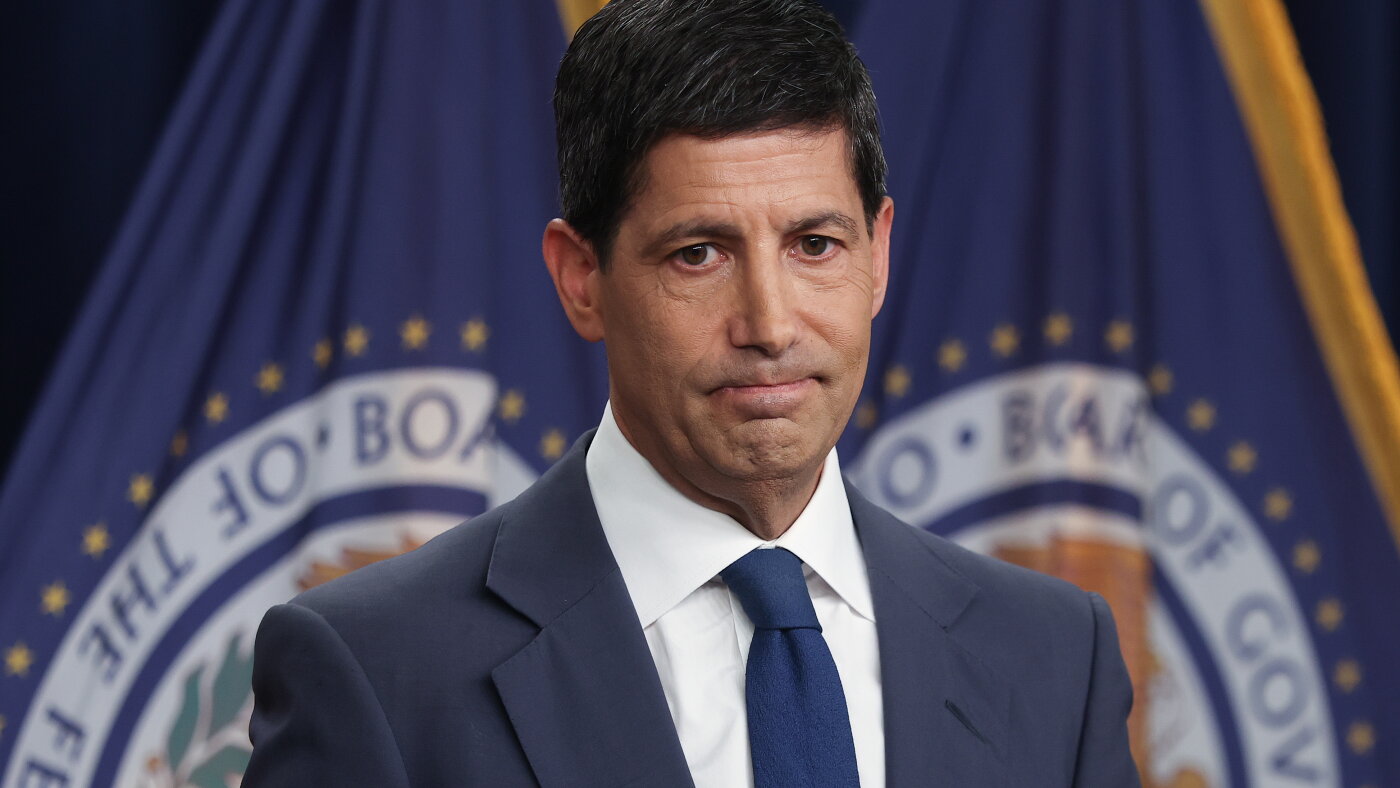
Federal Reserve officials are anticipated to increase the benchmark interest rate by a quarter percentage point to a range between 3.75% and 4% at their meeting Wednesday. This action would represent the first rate increase the central bank has undertaken in more than three years and would raise borrowing costs across consumer and business sectors, affecting auto loans, credit cards, mortgages, and small business financing.
Inflation has remained elevated for an extended period, with recent data showing annual inflation at 3.4% in August according to the Labor Department’s cost-of-living index released earlier in the week. Monthly inflation accelerated notably, with prices rising four-tenths of a percent between July and August, driven significantly by surging gasoline costs. A U.S. conflict with Iran has contributed to elevated energy prices, with diesel fuel reaching record highs above $6 per gallon, potentially increasing transportation costs for goods shipped by truck or train.
Federal Reserve Chairman Kevin Warsh signaled the rate increase in remarks made last month at Jackson Hole, Wyoming, stating the central bank must demonstrate confidence that inflation is moving toward its target at a sufficient pace. Market analysts interpreted his comments as indicating a strong commitment to raising rates absent a marked economic slowdown. Analysis from inflation forecasters emphasized that the Fed must follow through on its hawkish messaging to maintain credibility.
Wage growth has not kept pace with price increases since April, reducing the purchasing power of typical workers’ paychecks. Meanwhile, the bond market has already begun pricing in higher long-term borrowing costs, with yields on 10-year Treasury securities topping 5% this week in response to inflation concerns and elevated capital demand from government and private borrowers. These yield movements typically influence rates for mortgages, auto loans, and other long-term borrowing products.
At the conclusion of Wednesday’s meeting, Fed policymakers are scheduled to release updated interest rate forecasts. The committee’s previous projections in June indicated expectations for limited additional rate increases in the current year, followed by potential rate cuts in 2027. Chairman Warsh has previously expressed skepticism about forward guidance, preferring to maintain policy flexibility rather than commit to predetermined rate paths.
Article Attribution | Read More at Article Source
Article summary produced by Claude AI