

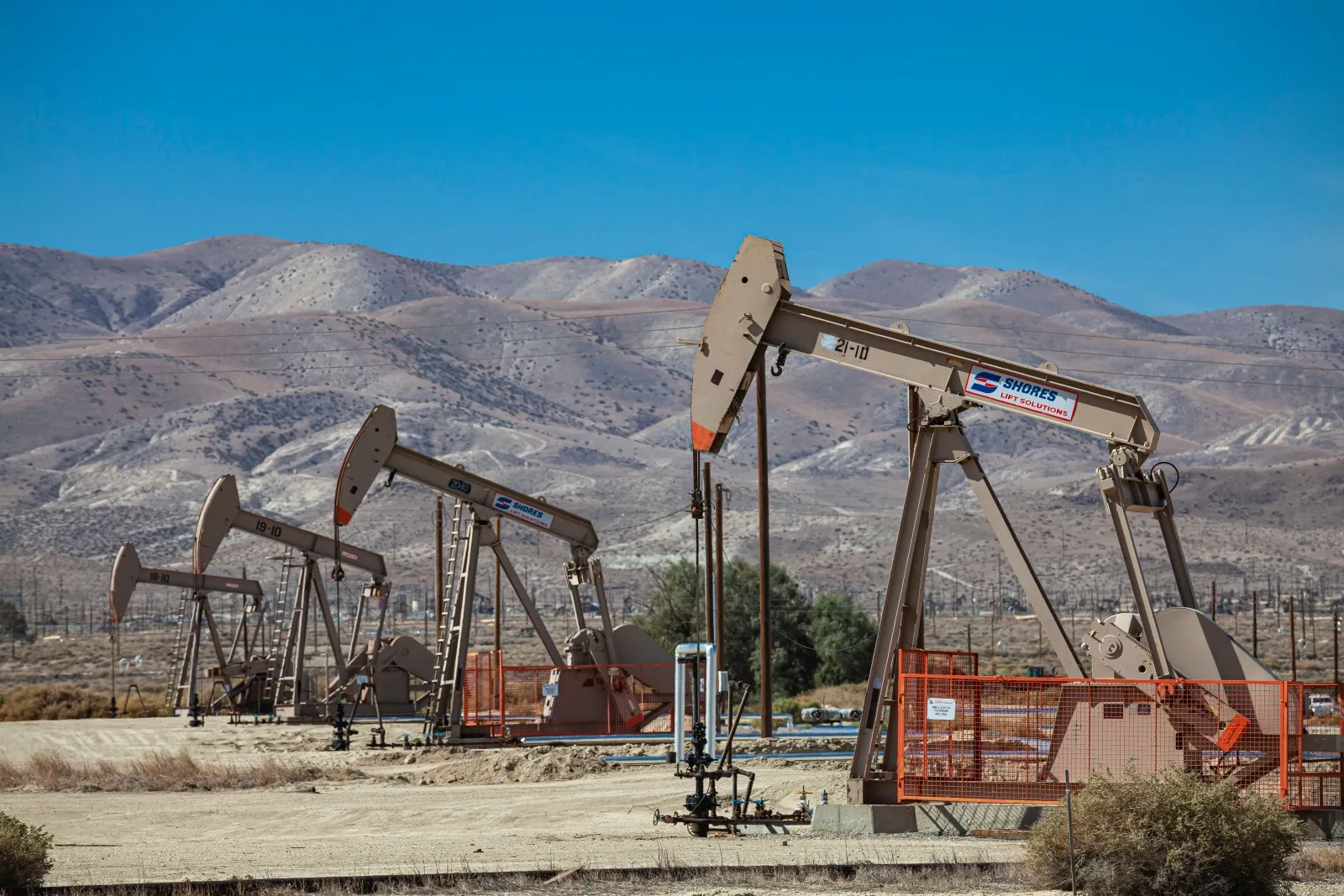
The fossil fuel industry increased its lobbying expenditures in California to unprecedented levels during the first half of 2026, according to data compiled by the Last Chance Alliance, an environmental coalition. Companies in the sector spent $17 million on lobbying activities, with $10.3 million spent in the first quarter alone—marking a new record for the industry. The second quarter saw an additional $6.8 million in spending. Major contributors to these efforts included the Western States Petroleum Association at $4.3 million, Chevron at $3.7 million, and Phillips 66 at just over $500,000.
The lobbying campaigns focused on opposing legislation that would impose new financial and legal obligations on oil and gas operators. Proposed measures included a state bill requiring companies to fund disaster recovery following climate-intensified natural disasters, as well as bills addressing workplace safety standards and mandatory reporting of cleanup costs for decommissioned projects. Environmental advocates criticized the industry’s aggressive opposition to these measures, characterizing them as straightforward protections for communities and transparency initiatives.
A significant portion of the lobbying targeted California’s cap-and-invest program, which requires emissions permit purchases and covers approximately 80 percent of the state economy. The industry successfully persuaded regulators to approve a mechanism that could provide fossil fuel companies with free pollution permits, potentially reducing state funding available for public transit and housing by billions of dollars. This decision currently faces legal challenges from environmental organizations and objections from Democratic lawmakers.
Other bills opposed by the industry included proposals to extend the Displaced Oil and Gas Workers Fund, establish refinery staffing guidelines, prevent companies from abandoning methane-leaking wells, and implement new safety requirements for offshore pipelines. Several of these measures were defeated during the legislative session. Environmental advocates expressed disappointment with the outcomes, noting missed opportunities for California’s climate policy goals, particularly given the sector’s substantially increased profitability during the period, with major companies reporting record quarterly earnings.
Article Attribution | Read More at Article Source
Article summary produced by Claude AI