

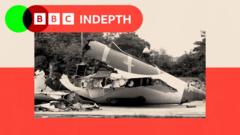
Air India Flight 171 departed Sardar Vallabhbhai Patel Airport in Ahmedabad with 259 people aboard on 12 June last year. The aircraft crashed just 32 seconds after takeoff, killing all but one passenger and crew member, along with 19 people on the ground. Video footage showed the plane failing to gain altitude before descending behind buildings and exploding.
The investigation into the crash’s cause has fallen to India’s Aircraft Accident Investigation Bureau under international aviation protocols, with the US National Transportation Safety Board and representatives from Boeing and GE Aerospace participating as accredited parties. A preliminary report released one month after the accident noted that the aircraft’s fuel cutoff switches had transitioned to the cutoff position shortly after takeoff, depriving engines of fuel. The report also referenced cockpit voice recordings in which one pilot asked the other about shutting off fuel, with the other pilot denying responsibility.
The limited information in the preliminary report triggered significant controversy and media speculation. Some outlets suggested the captain may have deliberately disabled the fuel systems, while citing unnamed sources claiming the captain had flipped the fuel switches. The AAIB subsequently issued a statement condemning what it called selective and unverified reporting as irresponsible, urging restraint pending the full investigation.
Pilots’ organizations and the deceased captain’s family have challenged the investigation’s integrity, filing concerns with India’s Supreme Court and demanding a judicial inquiry. They argue that investigations frequently blame deceased pilots to shield manufacturers and regulators from responsibility. The final conclusions of the official investigation remain pending, though the preliminary findings have already exposed concerns about the impartiality of crash investigations and potential vulnerabilities to external pressures.
Article Attribution | Read More at Article Source
Article summary produced by Claude AI