

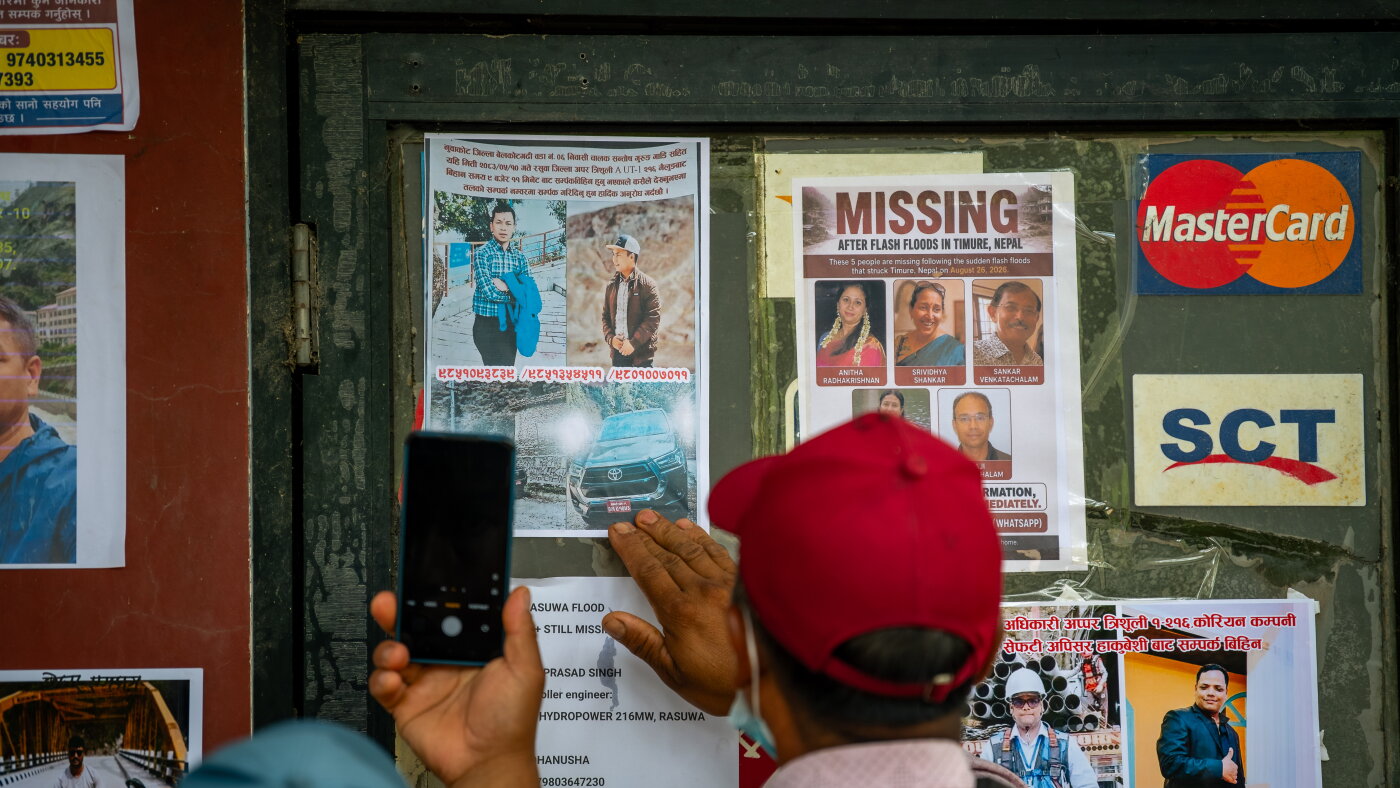
A collapsed glacier triggered massive flash floods in Nepal on Aug. 26, causing widespread devastation across communities along the Trishuli River. The disaster killed at least 1,200 people in Nepal and neighboring Tibet while leaving more than 5,600 others missing. The flooding destroyed or severely damaged at least seven hospitals and health centers, with additional facilities rendered inaccessible due to destroyed bridges and road blockages that have dramatically increased travel times to medical services.
The health system has been strained to its limits in responding to the crisis. Roughly 2,500 to 3,000 survivors are currently in temporary holding centers. Pregnant women requiring delivery care in coming weeks, people with chronic conditions like diabetes and hypertension who lost access to medications, and those requiring ongoing cancer treatment face particular vulnerability. Healthcare access remains severely hindered by road blockages and compromised electricity supply across the region. International health organizations have begun deploying medical tents to provide basic care and distributing hygiene kits and bed nets to 19,000 people.
Public health officials have identified several emerging threats. Contaminated water systems following the flooding have raised concerns about waterborne disease outbreaks, particularly cholera and diarrheal illness. Thousands of survivors crowded into temporary shelters present conditions favorable for airborne disease transmission, including tuberculosis. The Ministry of Health has deployed technical staff to enhance disease surveillance at these centers.
Beyond physical health challenges, survivors face significant psychological trauma. Many children in holding centers experience acute emotional distress, with some reporting inability to sleep after witnessing friends swept away by floodwaters. Responders have deployed counselors and mental health support services at shelters, though mental health resources in disaster situations are often limited and may be withdrawn before survivors have fully processed their trauma. Global health experts have emphasized that the Nepali health system lacks sufficient preparation for disasters of this magnitude and scale.
Article Attribution | Read More at Article Source
Article summary produced by Claude AI