

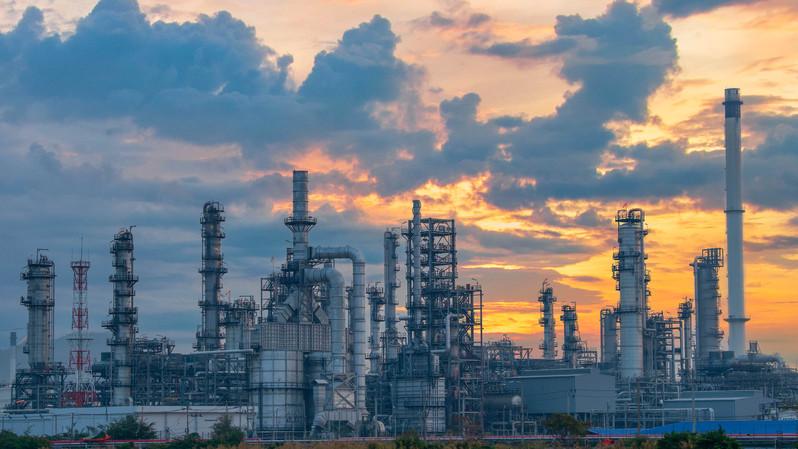
The Trump administration is considering limiting U.S. diesel exports in response to record-high fuel prices affecting agricultural operations and transportation sectors. The United States currently exports approximately 1.5 million barrels of diesel per day, making it the world’s largest diesel exporter. Farm-state lawmakers have pushed for restrictions as diesel costs strain operations during harvest season, with the promise that keeping more domestic supply could lower American prices.
However, economists and energy analysts caution that an export ban would create complex unintended consequences in global markets. The diesel cannot simply vanish; instead, foreign buyers would need to source fuel from other markets at elevated prices. Mexico, which receives roughly 220,000 barrels per day of U.S. diesel and simultaneously supplies approximately one-third of American horticultural imports, would face particularly acute challenges. Higher fuel costs for Mexican producers would increase their operating expenses, which could eventually be reflected in prices Americans pay for imported fruits and vegetables.
A more significant structural issue involves refinery operations. Gulf Coast refineries have been engineered to access international markets and process crude oil into multiple products including gasoline, diesel, jet fuel, and propane. According to S&P Global Energy CERA modeling of a complete export ban, refiners would need to absorb or eliminate roughly 1.48 million barrels daily of expected exports. Once storage capacity reached limits, refineries might need to cut crude processing by approximately 12 percent of total U.S. throughput.
This production reduction would have ripple effects across the entire refinery slate. A 12 percent cut in crude processing cannot isolate diesel production while maintaining gasoline and jet fuel output at current levels. Consequently, a policy aimed at reducing diesel prices could simultaneously tighten supplies and raise prices for gasoline and jet fuel. The administration acknowledged this interconnection when discussing the proposal. This dynamic creates competing interests between farmers seeking lower input costs and refiners seeking to maintain production and market access for profitability.
Article Attribution | Read More at Article Source
Article summary produced by Claude AI