

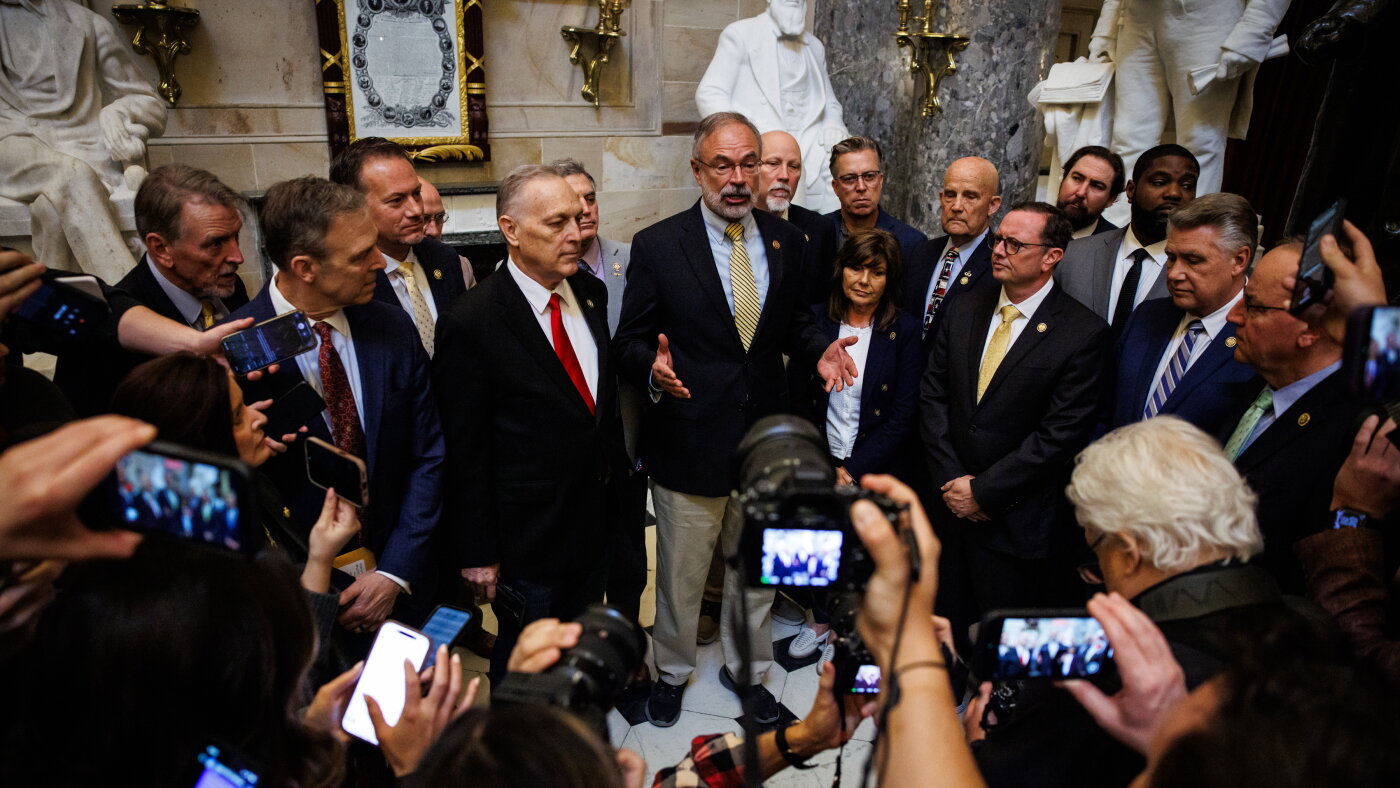
The House Freedom Caucus, an influential group of conservative lawmakers in Congress, faces a period of significant transition as numerous members prepare to exit the chamber. According to available information, at least ten of the group’s more than two dozen current members will not return in the next term, with additional members potentially losing their seats in upcoming elections.
The caucus, formally established over a decade ago, emerged as Tea Party-aligned conservatives gained Congressional representation. The group’s stated objective has centered on pushing the Republican Party rightward on social and fiscal matters. Several founding members have ascended to prominent positions within the Trump administration, including Mick Mulvaney and Mark Meadows, who both served as White House chiefs of staff, and John Fleming, who held the position of Deputy Chief of Staff.
A core principle has remained consistent throughout the group’s existence: rank-and-file lawmakers should maintain a central role in the policymaking process. This approach has generated friction with Republican leadership over the years. Members have employed parliamentary tactics to disrupt legislative proceedings in pursuit of policy or procedural concessions. Fleming noted that executive branch accountability represented a priority during the group’s founding, particularly when he perceived the Speaker was collaborating too closely with the Obama administration. He suggested this focus has diminished under current Republican leadership.
According to Matthew Green, a professor at Catholic University who has studied the group, predictions of the caucus’s decline have repeatedly proven premature. The group has demonstrated resilience following previous election cycles when observers questioned its continued relevance. Several former members have achieved prominence in Republican politics, including Florida Governor Ron DeSantis. This election cycle, three current members are pursuing gubernatorial races with presidential backing.
Former Speaker John Boehner characterized the group’s approach as focused on obstruction rather than constructive policy proposals, describing members as anarchists seeking chaos. Members counter that they advocate for decentralized decision-making and regular legislative order, arguing that concentrating power among leadership undermines representative democracy.
Article Attribution | Read More at Article Source
Article summary produced by Claude AI