

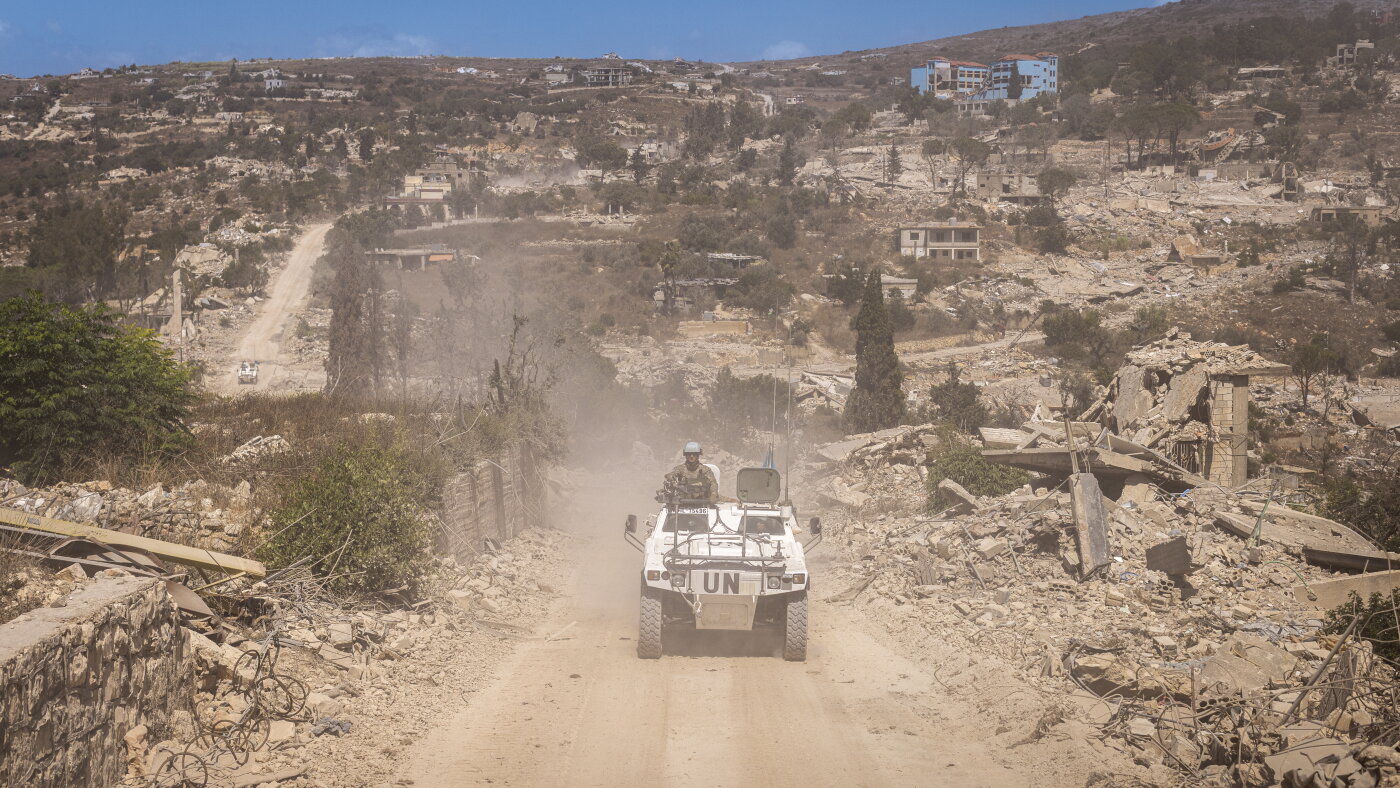
The United Nations Interim Force in Lebanon has been monitoring the southern border region since 1978, initially created to verify Israeli troop withdrawals following the country’s first occupation. The mandate expanded two decades ago to oversee a ceasefire between Israel and Hezbollah, the Iran-backed militant group established in 1982. However, the peacekeeping force’s mandate will expire at the end of the year without renewal due to opposition from the United States and Israel.
A ceasefire agreement reached in June between Israel and Lebanon has halted fighting that began in March, when Hezbollah fired rockets into Israeli territory. According to Lebanese officials, the conflict has killed more than 4,300 people and displaced over 1.2 million, with Israel reporting 39 soldiers, one military contractor, and two civilians killed in Hezbollah attacks. Seven U.N. peacekeepers have also been killed during the fighting. The agreement has produced only a fragile pause in hostilities rather than a durable resolution.
Israel has established a restricted buffer zone extending approximately five miles in some areas, demarcated by what officials call the “yellow line.” Lebanese civilians are prohibited from entering this zone, which covers roughly 6% of the country’s territory. The restriction prevents residents from accessing their homes, fields, and workplaces, with harvest season approaching and agricultural activity blocked. Israeli forces have demolished civilian infrastructure and homes throughout border communities including Houla, Kfar Kila, and Odaisseh.
The new boundary replaces the “blue line,” a demarcation established by the U.N. in 2000 following Israel’s 18-year occupation of southern Lebanon. That line had served as a de facto border between the two countries, which have never formally agreed on boundaries. The physical transformation of the landscape reflects the conflict’s scale, with roads reduced to rough tracks and settlements reduced to rubble. U.N. peacekeepers from multiple nations continue limited operations, though their presence and mandate face uncertainty following the decision not to renew their authorization.
Article Attribution | Read More at Article Source
Article summary produced by Claude AI