

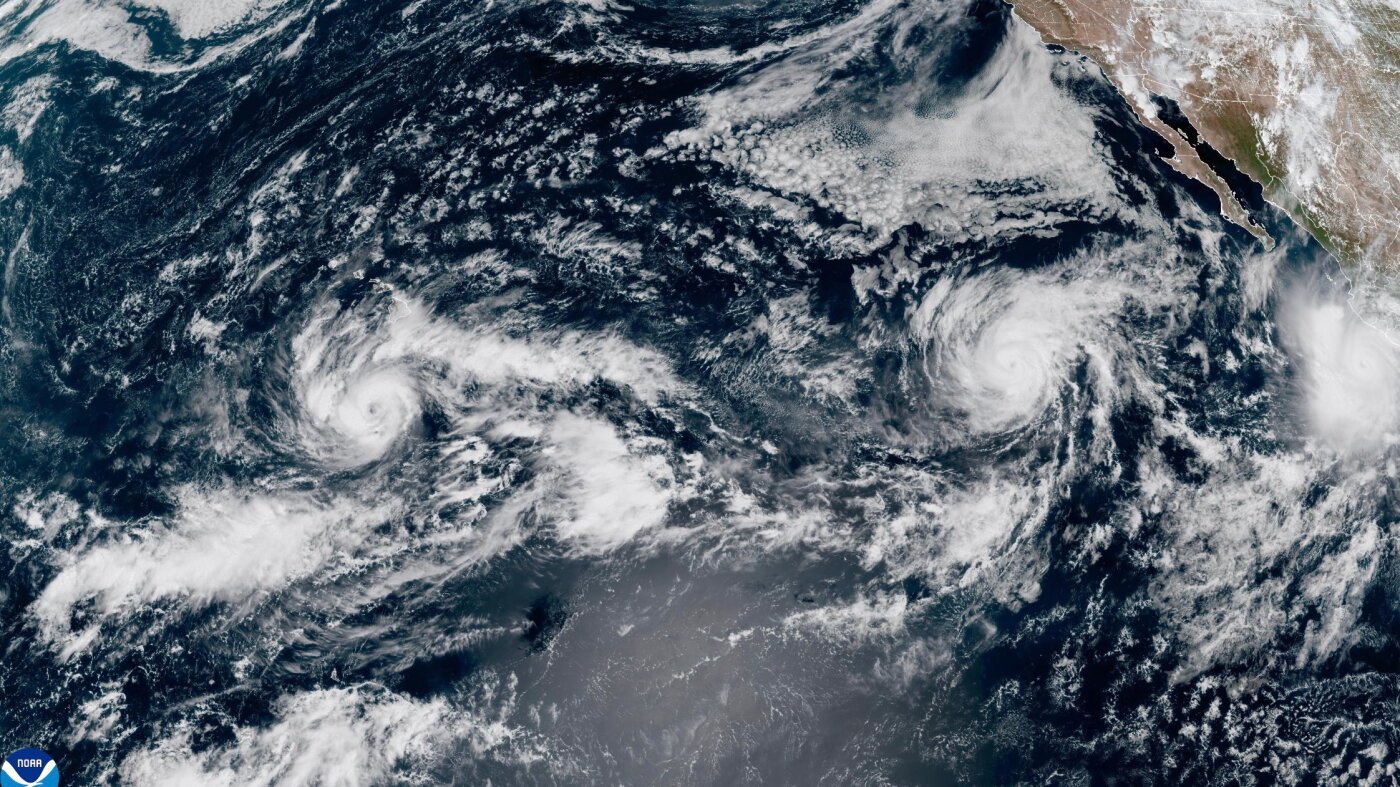
The 2026 hurricane season is displaying a stark contrast between the two major ocean basins. The Pacific has generated 18 hurricanes and 41 named storms to date, well above typical levels for this point in the year. The Atlantic, by contrast, has produced only seven named storms, all tropical storms rather than full hurricanes—marking the first time in over a century that no major hurricanes have formed in the Atlantic by September 25.
Scientists have identified a powerful El Niño climate pattern as the primary driver of this divergence. The phenomenon, which occurs periodically, typically suppresses Atlantic hurricane formation while simultaneously fueling increased Pacific storm activity. El Niño operates by elevating water temperatures in the equatorial Pacific, providing enhanced energy for storm development and intensification. In the Atlantic, the pattern increases wind shear conditions that disrupt hurricane formation by tearing developing storms apart.
This year’s El Niño is notably intense, with Pacific water temperatures already reaching record levels despite the pattern not yet reaching its peak. Researchers anticipate this will become the strongest El Niño on record. The exceptionally warm waters have contributed to dramatic storm intensification rates; Hurricane Polo strengthened from a tropical storm to Category 5 status in less than 24 hours this week. Hawaii has become a focal point, facing its third hurricane threat of the season with Hurricane Nolo expected to bring heavy rainfall and flooding this weekend.
The broader implications of this El Niño extend globally. Scientists note the pattern typically raises global temperatures and alters precipitation patterns worldwide, potentially bringing wetter conditions to parts of the Southwestern United States while creating drought and fire risks in Central America. Some recent research suggests climate change may be intensifying El Niño events, though this remains an area of ongoing scientific investigation. Researchers emphasize that these El Niño impacts combine with background warming from human-caused climate change, which continues to increase the likelihood of extreme weather globally.
Article Attribution | Read More at Article Source
Article summary produced by Claude AI