

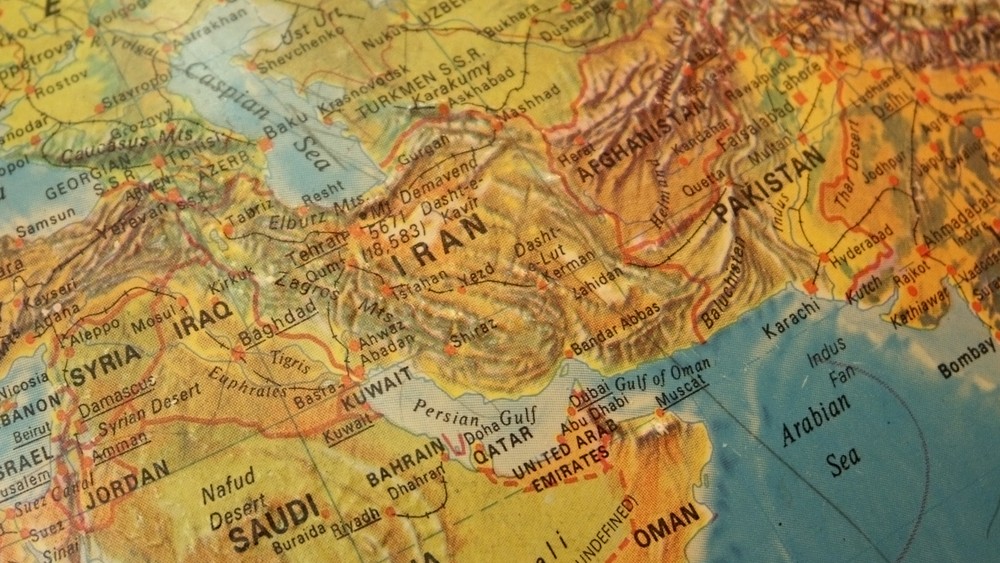
Efforts to resolve the ongoing conflict have stalled while multiple parties pursue alternative strategies to circumvent traditional dependencies. The House approved a third war powers resolution on Tuesday with a 220-204 vote, though passage through the Senate remains uncertain and faces likely presidential veto. A scheduled diplomatic initiative involving Iran, Gulf Cooperation Council members, and Iraq was postponed with no rescheduled date announced.
Treasury Secretary Scott Bessent introduced a significant economic forecast during discussions at the G20 finance ministers’ meeting, stating that the Strait of Hormuz would lose its strategic importance within two years. The prediction reflects shifts in global energy markets that preceded the current conflict. U.S. crude imports from Persian Gulf nations had already declined to historically low levels, representing approximately half a million barrels daily and comprising only 7 percent of total American crude imports before late February, according to Energy Information Administration data.
These import figures reflect long-term changes in the American energy landscape driven by expanded domestic production capacity and increased reliance on Canadian oil supplies. Rather than anticipating a near-term military resolution, Bessent’s assessment indicates that structural economic changes will render the strategic waterway less critical to American interests. The remarks highlight a divergence between military and diplomatic efforts to address the conflict and underlying economic trends reshaping global energy relationships and geopolitical leverage in the region.
Article Attribution | Read More at Article Source
Article summary produced by Claude AI