

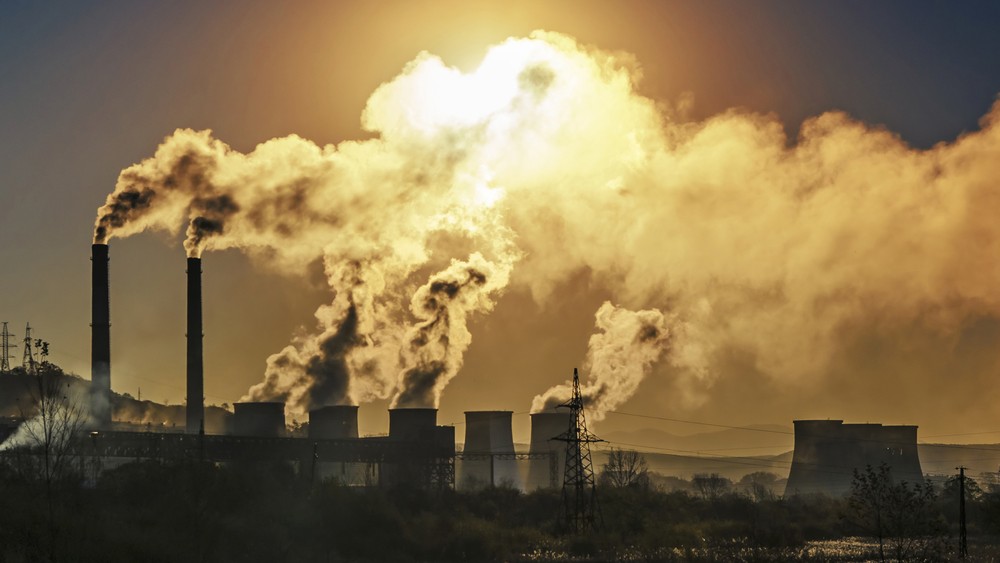
A significant disparity has emerged in global efforts to reduce methane emissions, with some nations making substantial progress while others lag behind on their commitments. The Global Methane Pledge, initiated in 2021 and led by the United States and European Union, commits 159 countries representing approximately 45 percent of human-caused methane emissions to reduce emissions by at least 30 percent below 2020 levels by 2030. Methane is a potent greenhouse gas, warming the planet up to 80 times more than carbon dioxide over a two-decade period and accounting for roughly 30 percent of global temperature increases since the Industrial Revolution.
Accurate measurement of global methane emissions remains challenging, with the International Energy Agency estimating that actual energy-related methane emissions are about 80 percent higher than officially reported to the United Nations. Some regions, particularly developing nations and those with aging fossil fuel infrastructure, lack adequate measurement capabilities. Global annual emissions from oil, gas, and coal operations exceed 120 million tonnes, with abandoned wells and mines contributing roughly 8 million tonnes in 2024 alone.
Turkmenistan has emerged as a critical focus for mitigation efforts, having been identified as producing the most severe methane mega-leaks globally. The country’s major fossil fuel fields generated more emissions in 2022 than the entire carbon output of the United Kingdom. Following international scrutiny and the UN Methane Alert and Response System identifying numerous large plumes, Turkmenistan has initiated a cleanup project this year, successfully halting eight major leaks through pipe repairs and well maintenance.
Progress varies considerably across nations tracked by the UN system. Turkmenistan has responded to approximately 20 percent of 192 recent alerts, while countries including Mexico, Brazil, and Argentina achieved 100 percent response rates to identified leaks. Conversely, major emitting nations including the United States, Russia, Iran, and China have not responded to any alerts. Mexico detected the world’s largest recent leak, measuring 37 tonnes per hour from offshore operations, though it has not yet implemented repairs despite acknowledging the alert.
Satellite-based monitoring systems have proven effective in driving mitigation action, particularly in regions with substantial emissions and responsive governments. The success in Turkmenistan and neighboring Kazakhstan has prompted discussion about expanding these accountability mechanisms, though significant infrastructure remains to be addressed globally to achieve targeted emissions reductions.
Article Attribution | Read More at Article Source
Article summary produced by Claude AI