

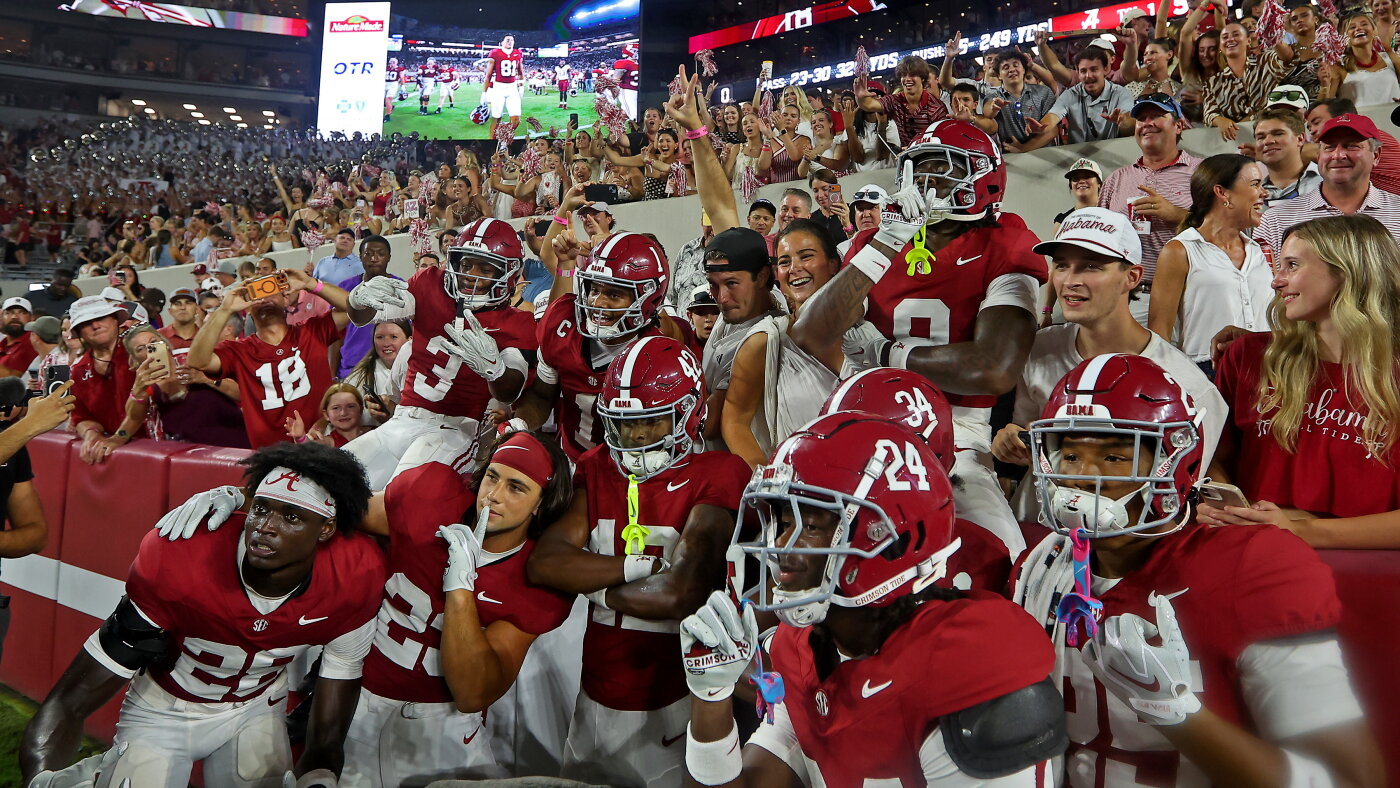
The Senate approved the Protect College Sports Act on Monday with a vote of 77-22, sending the legislation to the House for consideration. The bill would provide the NCAA with a limited antitrust exemption to reinstate a five-year eligibility rule and transfer restrictions while establishing a regulatory framework for name, image and likeness compensation arrangements that have substantially expanded athlete earnings in recent years.
Senators Ted Cruz of Texas and Maria Cantwell of Washington led negotiations spanning more than a year that attracted bipartisan co-sponsorship. Supporters, including the NCAA, major conferences, and President Trump, characterize the measure as necessary to establish order in college athletics. “Right now, it is the Wild West,” Cruz stated at a mid-September news conference. Proponents argue the bill prevents further erosion of non-revenue sports programs, which have experienced over 100 team eliminations since 2023.
Opponents contend the legislation disproportionately restricts athlete rights while leaving other spending unchecked. Labor organizations, athlete advocacy groups, and the NAACP joined the 22 senators voting against the bill, arguing it primarily protects institutional power. Critics note that coaching salaries increased 370% between 2005 and 2023, while recruitment costs rose 322% and travel expenses climbed more than 200%, yet the legislation does not address these expenditure categories. “We have a bill that’s going to protect the wealth and the gravy train for a lot of folks but puts burdens on college athletes,” said Senator Cory Booker in an interview.
The House currently stands in recess until after November midterm elections, and the bill’s passage prospects remain uncertain. Provisions protecting women’s and Olympic sports scholarships expire after nine years for large schools and four years for midsize institutions, with potential exemptions for schools facing financial hardship. Legal experts question whether such limitations are necessary to address athletics department finances.
More than 500,000 athletes compete across NCAA divisions annually, with the vast majority of substantial earnings concentrated among football and men’s basketball players in the four major conferences. Only a small percentage of athletes earn six-figure compensation.
Article Attribution | Read More at Article Source
Article summary produced by Claude AI