

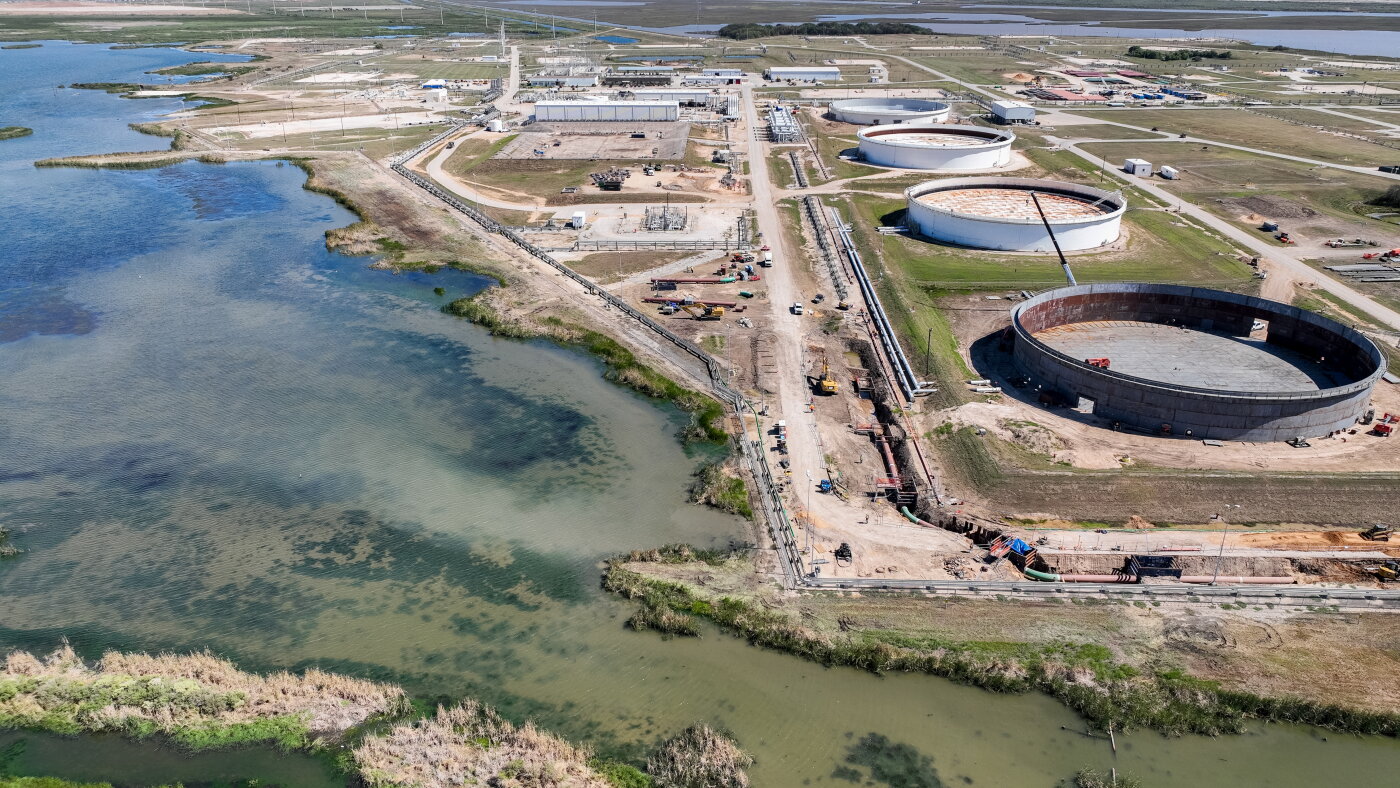
The Strategic Petroleum Reserve, a government-controlled stockpile of crude oil stored in underground salt caverns across Louisiana and Texas, has experienced significant depletion in recent months. The reserve held approximately 415 million barrels in February but has since declined to less than 285 million barrels, representing a reduction of more than 30% over a six-month period. This current level marks the lowest point the reserve has reached since the early 1980s.
The Trump administration has repeatedly accessed the stockpile in response to an oil shipping disruption that emerged following military conflict between the U.S. and Israel against Iran in late February. Despite these interventions, gasoline prices remain elevated, and diesel fuel has reached record levels. Energy policy experts warn that the rapid depletion of the reserve creates both structural and economic challenges. Continued extraction at current rates risks damaging the physical infrastructure of the salt caverns, while the global oil market has tightened considerably, making replenishment difficult and expensive. International crude oil prices have climbed to over $100 per barrel, up 47% since the conflict began.
To address supply concerns, the Trump administration announced a partnership in late August with an oil company operating in Venezuela, granting the U.S. rights to 20% of production from 17 Venezuelan oil fields. The administration has suggested a potential exchange arrangement in which lighter U.S. crude would be swapped for heavier Venezuelan oil, as different crude types have varying characteristics that affect their suitability for storage and refining. However, energy analysts note that much of the Venezuelan oil under discussion exists in fields requiring substantial development. Some fields may require over a decade of infrastructure construction before production can commence, limiting any near-term contribution to U.S. reserves.
The administration has also pursued alternative measures to moderate fuel costs, including a temporary waiver of maritime shipping restrictions and permission for earlier introduction of cheaper winter-blend gasoline. Experts suggest these emergency measures have diminished the government’s remaining flexibility in managing energy prices as existing strategic buffers have been substantially depleted.
Article Attribution | Read More at Article Source
Article summary produced by Claude AI