

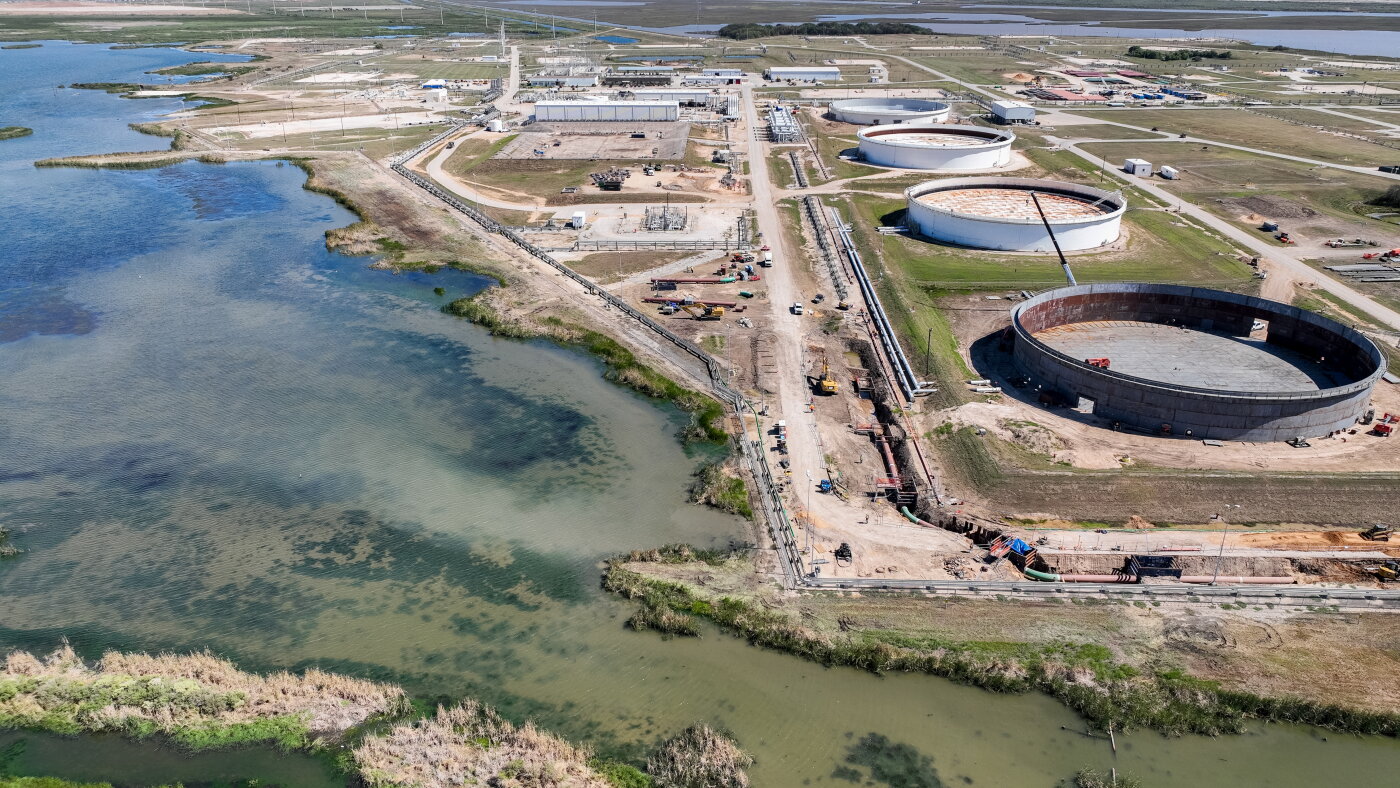
The Strategic Petroleum Reserve, a government oil stockpile stored in underground salt caverns across Louisiana and Texas, has declined significantly in recent months as the Trump administration has drawn from it repeatedly. The reserve held approximately 415 million barrels in February but has since dropped to less than 285 million barrels—a decline of more than 30% in six months and the lowest level since the early 1980s. The drawdown was initiated after the U.S. and Israel entered into conflict with Iran, which disrupted global oil shipping and prompted efforts to boost domestic fuel supplies. Despite these measures, gasoline prices remain elevated and diesel has reached record levels.
Experts warn that the rapid depletion of the reserve creates multiple risks. Structural damage to the salt caverns themselves becomes possible when oil is extracted too quickly and excessively, according to analysts at the Brookings Institution. Economic challenges also loom, as global oil stockpiles that were plentiful before the conflict have been largely consumed. The benchmark Brent crude price has climbed to over $100 per barrel, representing a 47% increase from the start of the war, limiting the administration’s financial capacity to replenish reserves if needed.
To address supply concerns, the Trump administration announced a partnership with an oil company in Venezuela that would grant the federal government a majority stake in 17 Venezuelan oil fields. Administration officials have suggested the arrangement could facilitate reserve replenishment through potential barrel exchanges rather than direct imports, given that Venezuelan crude is heavy and sulfur-rich while U.S. reserves typically contain lighter grades more suitable for refining gasoline and diesel. However, development of these Venezuelan fields faces substantial obstacles, with some requiring infrastructure construction that could take 10 to 20 years before oil production begins.
In the interim, the administration has implemented alternative measures to manage fuel costs, including a temporary waiver of the Jones Act to facilitate fuel transportation and allowing earlier production of cheaper winter-blend gasoline. Analysts note that these emergency measures have substantially depleted the policy tools previously available for managing fuel prices.
Article Attribution | Read More at Article Source
Article summary produced by Claude AI