

The World Health Organization adopted a pandemic agreement in May 2025 designed to improve global preparedness for future health crises, but critical implementation details remain unresolved. Countries intentionally deferred the most contentious negotiations to secure initial approval, and progress has stalled over the subsequent year and a half. An eighth round of negotiations held in Geneva last week produced minimal results, according to experts monitoring the process.
The central dispute concerns access and equity in a system known as the Pathogen Access and Benefit Sharing annex (PABS). The debate centers on whether nations should be required to rapidly share pathogen data with the international community and what obligations exist to distribute resulting vaccines, diagnostics and treatments equitably. During the COVID-19 pandemic, wealthy nations secured vaccine supplies while lower-income countries faced significant shortages, a disparity the agreement aims to prevent in future outbreaks.
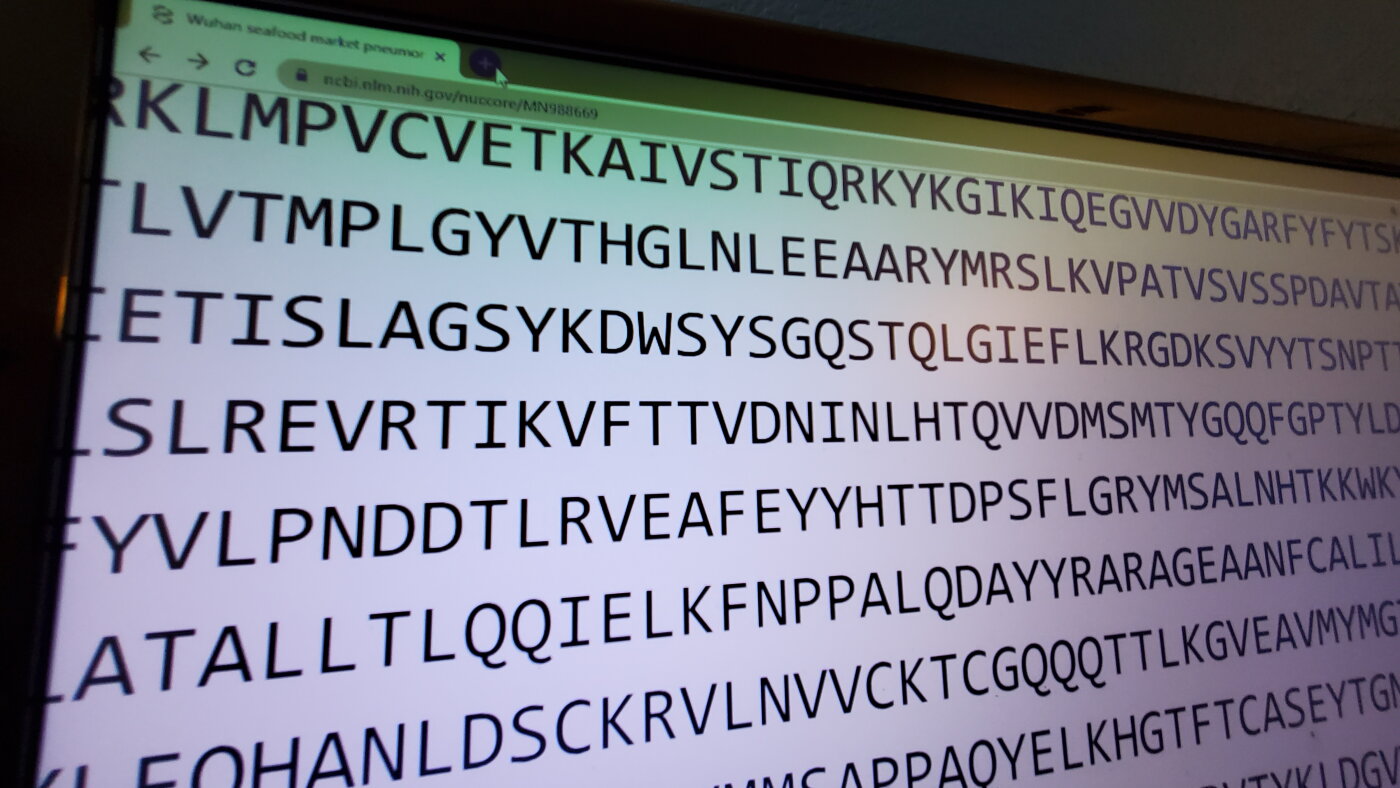
Wealthy nations generally favor an open database system enabling rapid scientific development and data sharing, citing the success of early coronavirus genome uploads that accelerated vaccine development. Lower-income nations seek binding guarantees that sharing pathogen samples and data will result in equitable access to resulting medical products. Some propose restricting database access to registered parties under WHO contracts requiring reduced-cost product distribution to developing countries, similar to existing influenza preparedness arrangements.
Developed nations contend that contractual restrictions on data access could impede scientific progress during critical pandemic response periods. A middle-ground proposal would attach equity conditions to products rather than data itself, though disagreement persists on whether this adequately protects lower-income countries’ negotiating position. WHO Director-General Tedros Adhanom Ghebreyesus urged countries to reach agreement, emphasizing that continued delays carry serious consequences for pandemic response. Negotiations are scheduled to continue until May 2027, when WHO member states will reconvene for the World Health Assembly.
Article Attribution | Read More at Article Source
Article summary produced by Claude AI