

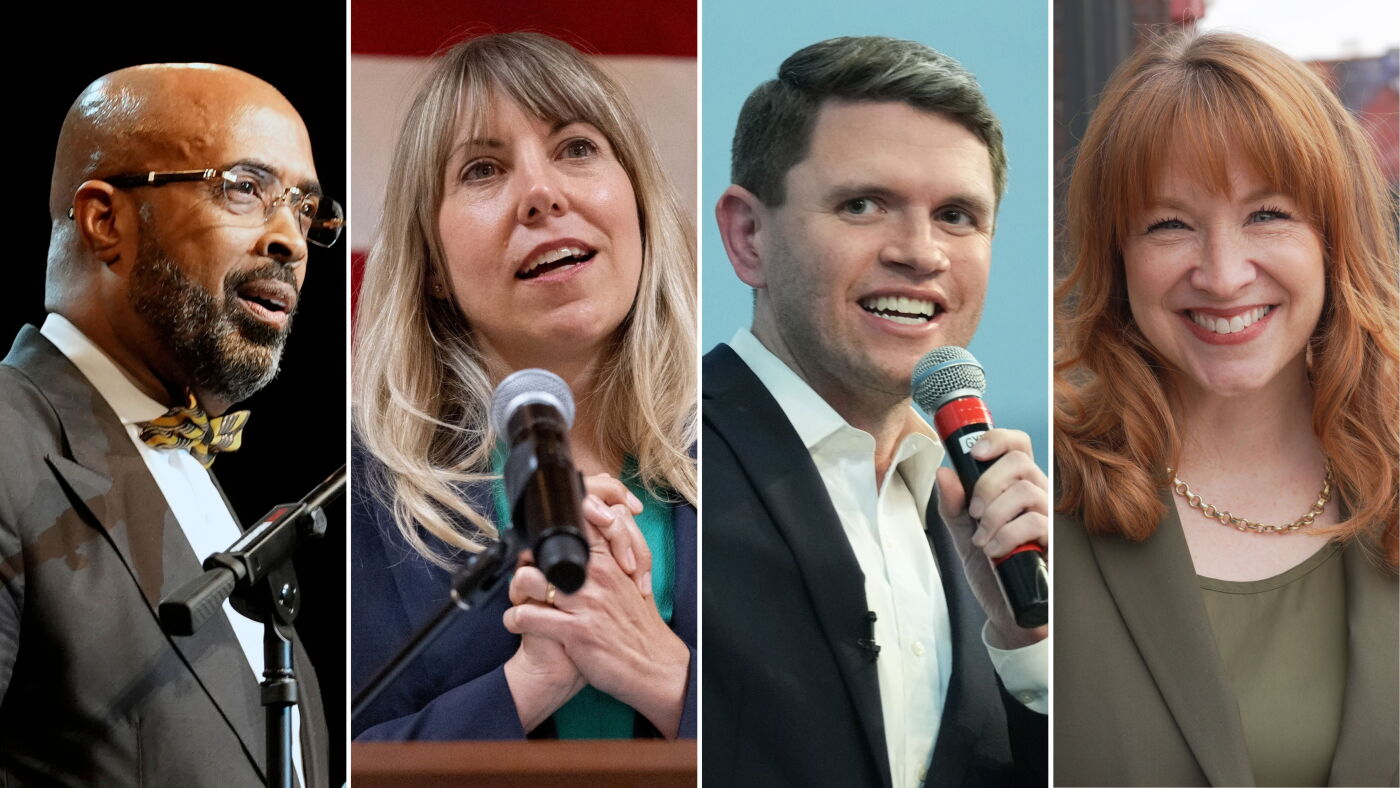
A number of Democratic candidates running for Congress in the midterm election cycle have made religion a prominent element of their campaigns, a departure from typical Democratic messaging strategy. Among them are at least a half-dozen ordained clergy members and others pursuing ministerial studies, including a megachurch pastor in Dallas, a Methodist minister in Kansas, and two clergy members in Iowa competing in closely contested races.
Texas state representative James Talarico, the Democratic nominee for U.S. Senate and a student at Austin Presbyterian Theological Seminary, exemplifies this approach. Speaking at Brentwood Baptist Church in Houston, Talarico addressed congregants as “a fellow Christian” and drew on biblical language when discussing the nation’s political challenges. On the campaign trail, these candidates have cited scripture and religious principles when advocating for policies related to healthcare, veterans’ services, immigration, and economic opportunity, targeting regions where faith remains culturally significant.
Republican opponents have responded sharply to this strategy. Texas Lt. Gov. Dan Patrick criticized Talarico’s religious rhetoric at the state Republican convention, and some Republicans have labeled Democratic clergy candidates “Pastors In Name Only.” Talarico’s Republican opponent, Texas Attorney General Ken Paxton, has questioned the authenticity of Talarico’s religious identity. Talarico has countered such attacks by reframing them within his faith framework, arguing that policies affecting vulnerable populations represent the actual betrayal of Christian values.
Data from the Pew Research Center’s 2023-24 Religious Landscape Study indicates that 28% of Democrats and Democratic-leaning adults report that religion is very important in their lives, compared to higher percentages among Republicans. Talarico has emphasized that his faith does not equate to supporting religious influence over government, explicitly opposing Christian nationalism and criticizing what he describes as its infiltration of federal institutions.
Reactions among Democratic voters and supporters vary. Some appreciate the candidates’ willingness to discuss faith openly, noting that Democratic religious identity has historically been underrepresented in public discourse. Others remain skeptical of mixing religion and politics, though some observers acknowledge the strategic value of religious messaging in regions with strong faith traditions.
Article Attribution | Read More at Article Source
Article summary produced by Claude AI