

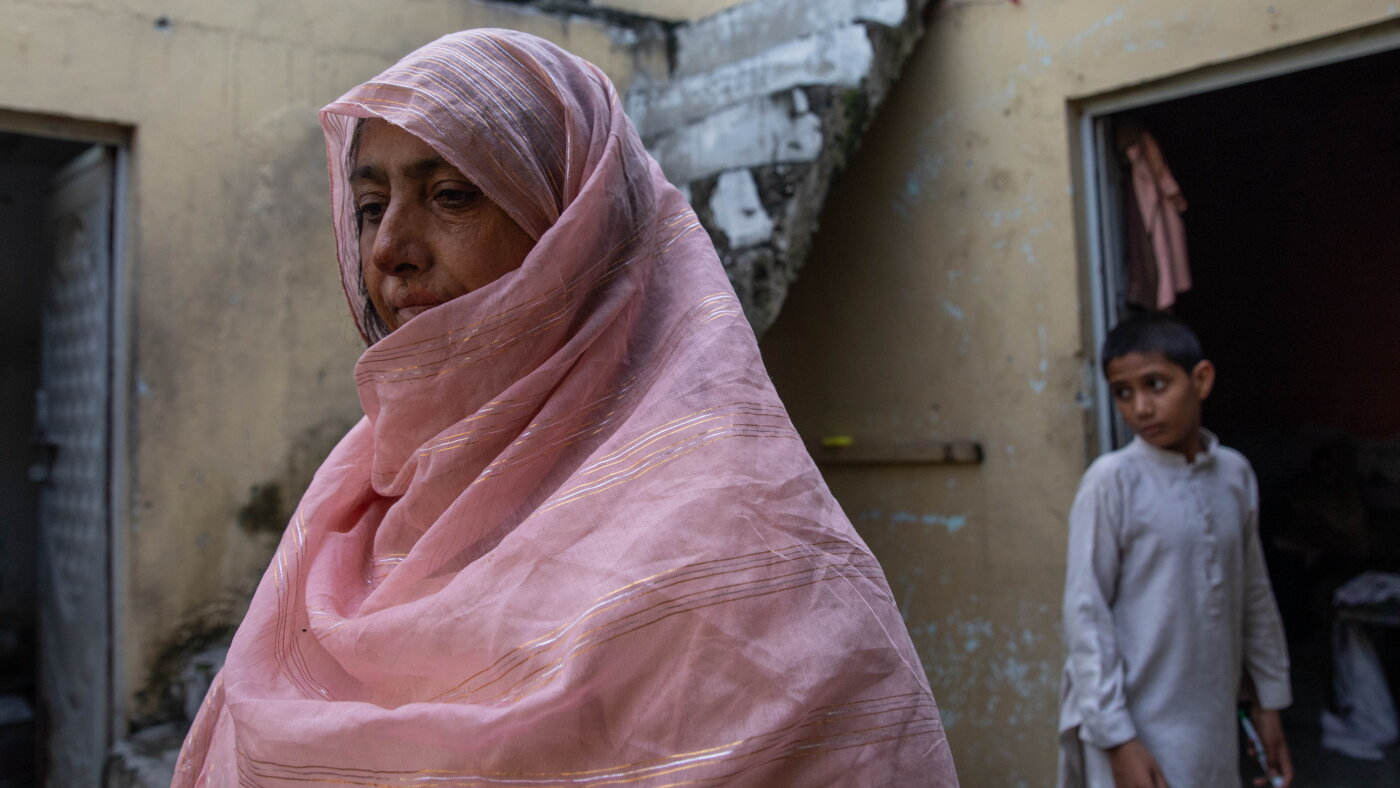
In Islamabad, Pakistan, a major demolition campaign between December 2025 and April affected densely populated neighborhoods surrounding the shrine of Bari Imam, a Sufi saint that has attracted settlers for over 300 years. Housing rights activists estimate that roughly 50,000 people lost their homes, representing approximately one-tenth of the estimated 500,000 residents living in Islamabad’s informal settlements. The demolished areas included residential homes, roadside shops, and small food preparation facilities that served both pilgrims visiting the shrine and low-income families.
Residents and local observers attribute the demolitions to the stated development ambitions of Interior Minister Mohsen Naqvi, who has been described as having close ties to Pakistan’s military leadership. In April, Naqvi publicly outlined plans to transform the area behind the prime minister’s residence—which encompasses the Bari Imam shrine and surrounding neighborhoods—into a modern urban development comparable to Shanghai and Manhattan. Naqvi did not respond to requests for comment regarding his involvement in the demolition efforts.
Officials from the Capital Development Authority, which oversees Islamabad, stated that most demolished structures were part of an informal settlement called Muslim Colony where residents had exhausted legal options to remain. They indicated that residents who lived in the area before 2005 received compensation, while those arriving later or renting illegally-constructed homes sought additional payments. The authority’s representative argued that residents unable to afford Islamabad’s housing costs should relocate elsewhere.
However, residents and their legal representatives contested this characterization. Many families displaced after 2005 had arrived due to conflicts near the Afghan border, natural disasters including earthquakes and floods, and droughts. A local lawyer representing affected families noted that residents of neighborhoods like Nurpur Shahan had their land seized decades earlier in 1957 for the capital’s construction, and compensation was never properly distributed. These residents argue they were treated as squatters despite their land being used for government buildings including the prime minister’s residence and foreign ministry.
Individual residents struggled with severe economic hardship following the demolitions. One 30-year-old man salvaged bricks from his destroyed home to generate minimal monthly income while caring for eight children, having been forced to withdraw them from school due to inability to pay transportation and materials fees.
Article Attribution | Read More at Article Source
Article summary produced by Claude AI