

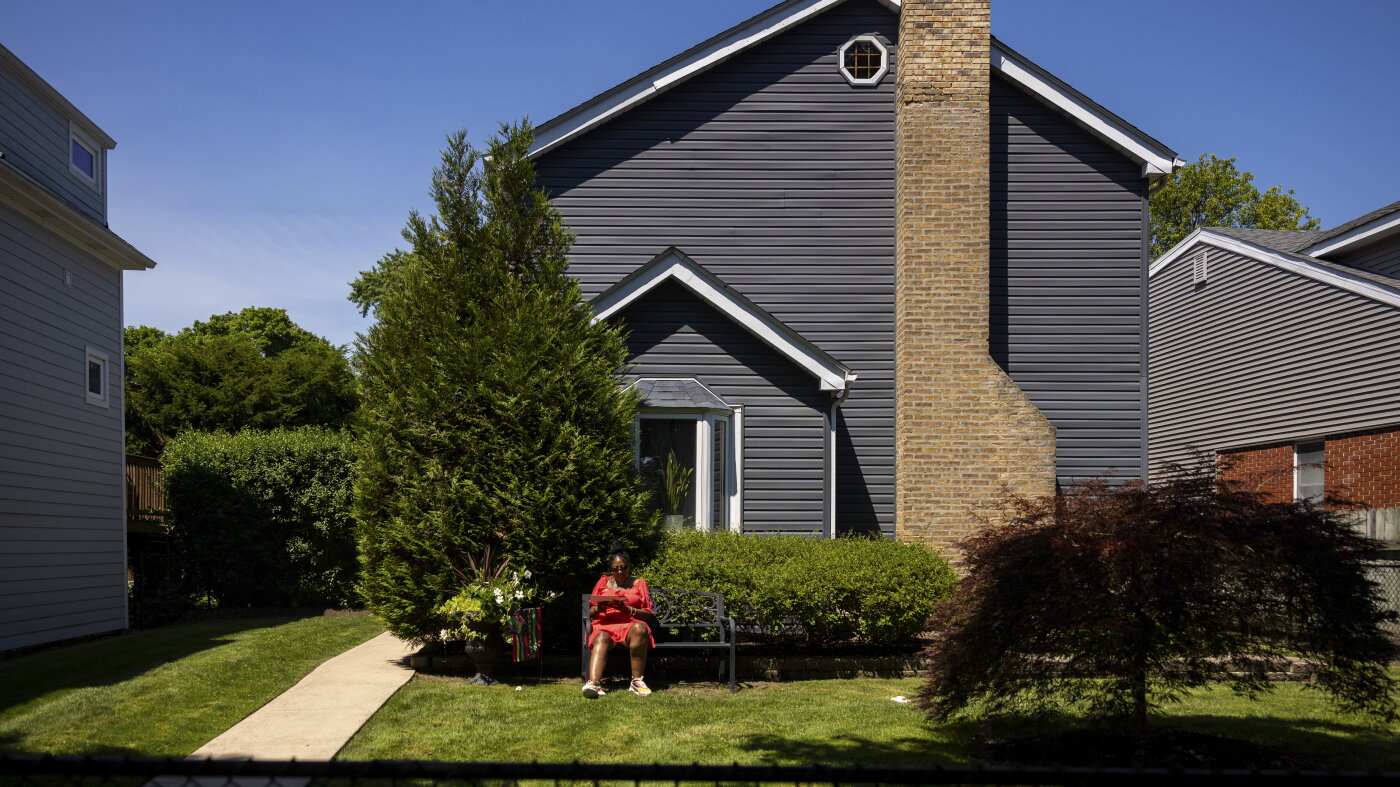
Evanston, Illinois has become the focal point of a significant legal dispute over reparations for Black residents. The city approved what officials describe as the first reparations program in the United States designed to compensate Black people for historical housing discrimination. Since launching in 2021, the program has distributed $25,000 grants to more than 300 applicants, with recipients using the funds for home improvements and other wealth-building purposes.
The reparations initiative emerged from research conducted by then-councilmember Robin Rue Simmons, who investigated why Evanston’s Black population was declining. Her investigation traced the problem to a 1921 zoning ordinance that confined Black residents to specific neighborhoods and enabled redlining practices that prevented them from obtaining mortgages. The city commissioned a historical report that attributed much of the segregation to municipal policies. In response, the city council acknowledged the harm, issued an apology, and committed $20 million from cannabis sales and real estate transfer taxes to fund the program. Eligible applicants had to be Black and demonstrate that they or an ancestor lived in Evanston between 1919 and 1969.
The Trump administration has challenged the program, with the Justice Department announcing in June that it would join a lawsuit filed by Judicial Watch, a conservative legal organization. The administration contends that offering payments exclusively to Black residents violates the Constitution’s equal protection clause. Justice Department officials have stated that race-based distributions of government funds constitute discrimination. This legal challenge represents part of a broader administration effort to eliminate government programs promoting racial equity.
Proponents of the reparations program argue that targeted remedies are appropriate for harm caused by intentional government policies. Academics studying the issue characterize the dispute as a pivotal civil rights matter with implications for how government addresses historical racial injustices across the country.
Article Attribution | Read More at Article Source
Article summary produced by Claude AI